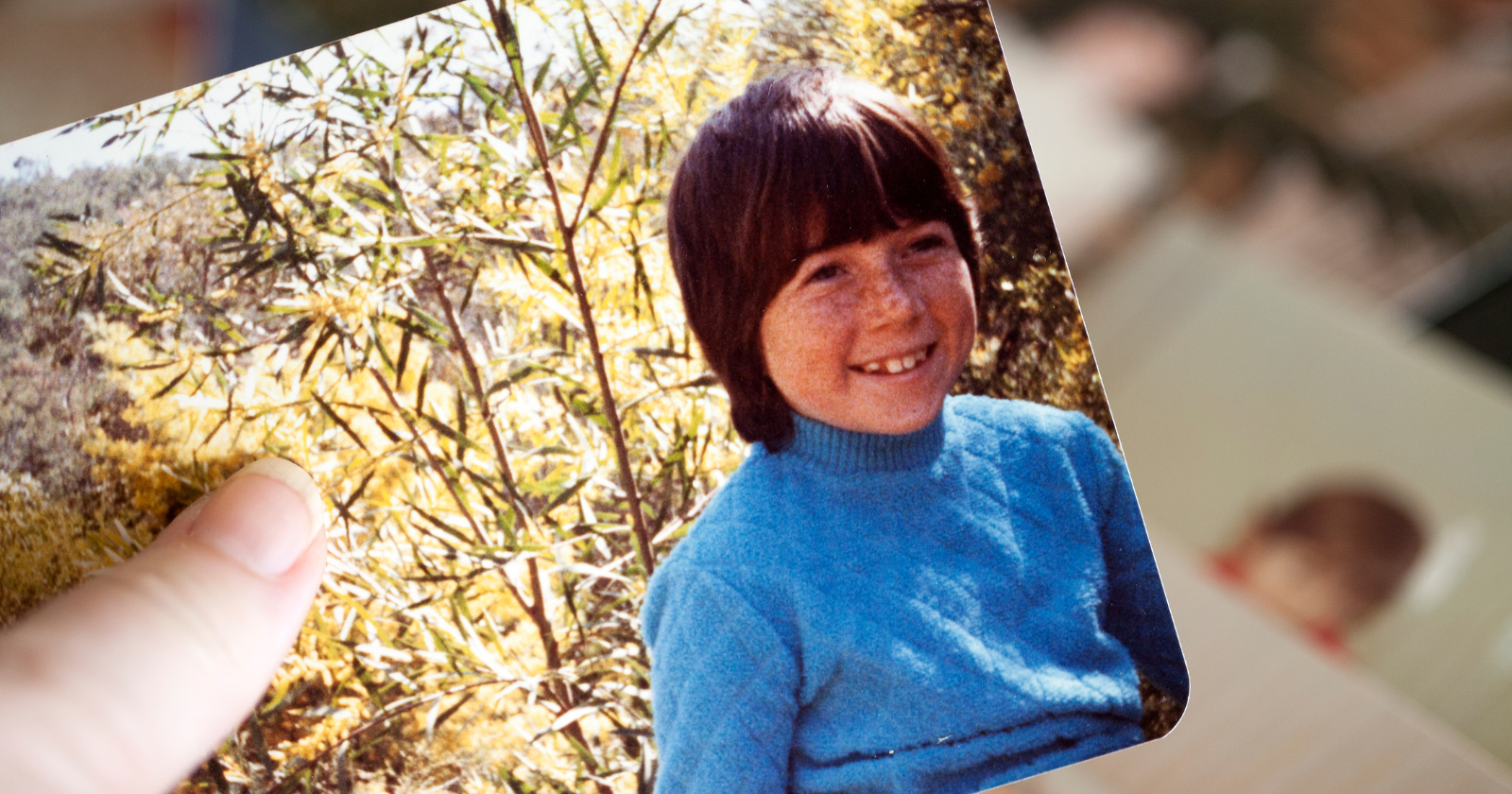
I grew up in long, shapeless summers spent almost entirely outside, under one rule I can still hear: be home by dark. Nobody planned my day. There was no screen waiting to fill the gaps, no parent acting as in-house entertainer. A lot of the time I was bored, and I had to figure out what to do with myself. I don’t remember this as deprivation. I remember it as ordinary, which is exactly the thing I find myself thinking about now.
Watching friends who are parents today, I notice the opposite shape to childhood. Kids booked into lessons and activities, supervised more or less constantly, very little free roaming. I’m not a parent, and I genuinely don’t know how I’d do it myself, so take none of this as a lecture. It’s just a quiet inventory of small, everyday things that filled a 1990s childhood and seem to be slipping away. There are roughly five that stick with me.
Watching cartoons on the TV’s schedule, not yours
If you wanted cartoons in the early 90s, you waited. The big broadcast networks ran animated blocks usually across weekend mornings, and that was that. You couldn’t summon a show. You set an alarm on a day you didn’t have to, poured cereal, and watched what was on.
Funnily, the thing I miss isn’t the cartoons. It’s the waiting. You couldn’t have it whenever you wanted, so the having of it felt like something.
The video shop as a ritual
At its height Blockbuster ran over 9,000 stores before filing for bankruptcy in 2010 and closing its last company-owned shops by 2014.
Renting a film used to mean a trip. You walked the aisles, argued over the cover art, settled for the second choice because someone had already taken the first. Now have Netflix and a world of other streaming options, which have completed replaced this.
Was it less convenient? Sure, but what the ritual gave you was friction, and friction made the choice matter. You couldn’t scroll through ten thousand titles in bed and abandon each one after ninety seconds. You picked one thing, carried it home, and committed to it for the night. That’s a small, unglamorous form of attention, and I think it’s the kind kids today rarely get handed by default.
Playing outside until the streetlights came on
This is the one I lived most fully. Hurling, Gaelic football, rugby, and a lot of childhood just outside, unsupervised, until it got dark.
The decline isn’t only nostalgia. National Trust research found children play outside just over four hours a week, compared with 8.2 hours for their parents’ generation. In the same survey, more than nine out of ten parents said they’d prefer their children spend more of childhood outdoors. The want is there. The hours have halved anyway.
Making a mixtape for someone you liked
A mixtape was a slow, deliberate thing. You recorded it in real time, song by song, off the radio or another tape, which meant an hour of music cost you an hour of your life and a lot of fussing over the order. It was curation and confession at once. You couldn’t drag and drop your feelings. You had to sit there and build them.
Songwriter, Lin-Manuel Miranda has talked about this better than I can. In a Fresh Air interview, he described how “mix tapes – and not mix CDs – mix tapes were an important part of the friendship and mating rituals of New York adolescents.” He went further, saying he “learned more about writing scores for Broadway” by making mix tapes in the 90s than he did in college. Probably a little hyperbolic, but it lands. Sequencing songs for one specific person teaches you something about pacing and care that a shared playlist link never quite does.
Boredom, the real kind, with nowhere to put it
The last one is the one I keep circling back to: boredom with no exit. Not the mild restlessness you kill in thirty seconds on a phone, but the long, flat afternoon with nothing arranged and nothing to do. That was the water I swam in as a kid, and it forced me to invent my own afternoons.
I’m not a psychologist, so I’ll lean on someone who is. Psychologist Sandi Mann has said, “Unlike so many parents today, I am quite happy when my kids whine that they are bored.” In her view, “finding ways to amuse themselves is an important skill.” That’s her opinion as a parent and researcher, not a settled law of child development, but it chimes with what I noticed: when nobody fills the gap for you, you eventually fill it yourself.
My certainty runs out somewhere around here. I watch friends negotiate with their kids instead of letting consequences land, supervise instead of letting them roam, schedule instead of leaving holes in the day. I understand why. The world feels less forgiving than the one I grew up in, and I’m not at all sure I’d do differently.
What I keep noticing is the texture. So much of a 90s childhood was unoptimised. You waited for the cartoons, carried the tape home, sat in the boredom until it turned into something. None of it was designed to be good for you. It just was the day. Kids growing up now are getting a smoother, more curated version, with fewer of those unpolished gaps to fall into and climb out of on their own.