

My parents are finally moving somewhere smaller, which meant a job I’d been dodging for most of my life had at last come due. Someone had to clear out my old bedroom. Twenty years after I’d walked out of it at eighteen, it was still sitting there, preserved like a crime scene, and that someone was going to have to be me.
I flew back braced for an afternoon of bin bags and mild embarrassment. A grown man boxing up his teenage self, snorting at the posters, binning the schoolbooks, done by tea. What I was not braced for was what the room actually had to tell me, which it delivered inside the first thirty seconds, before I’d thrown away a single object.
The finger on the shelf
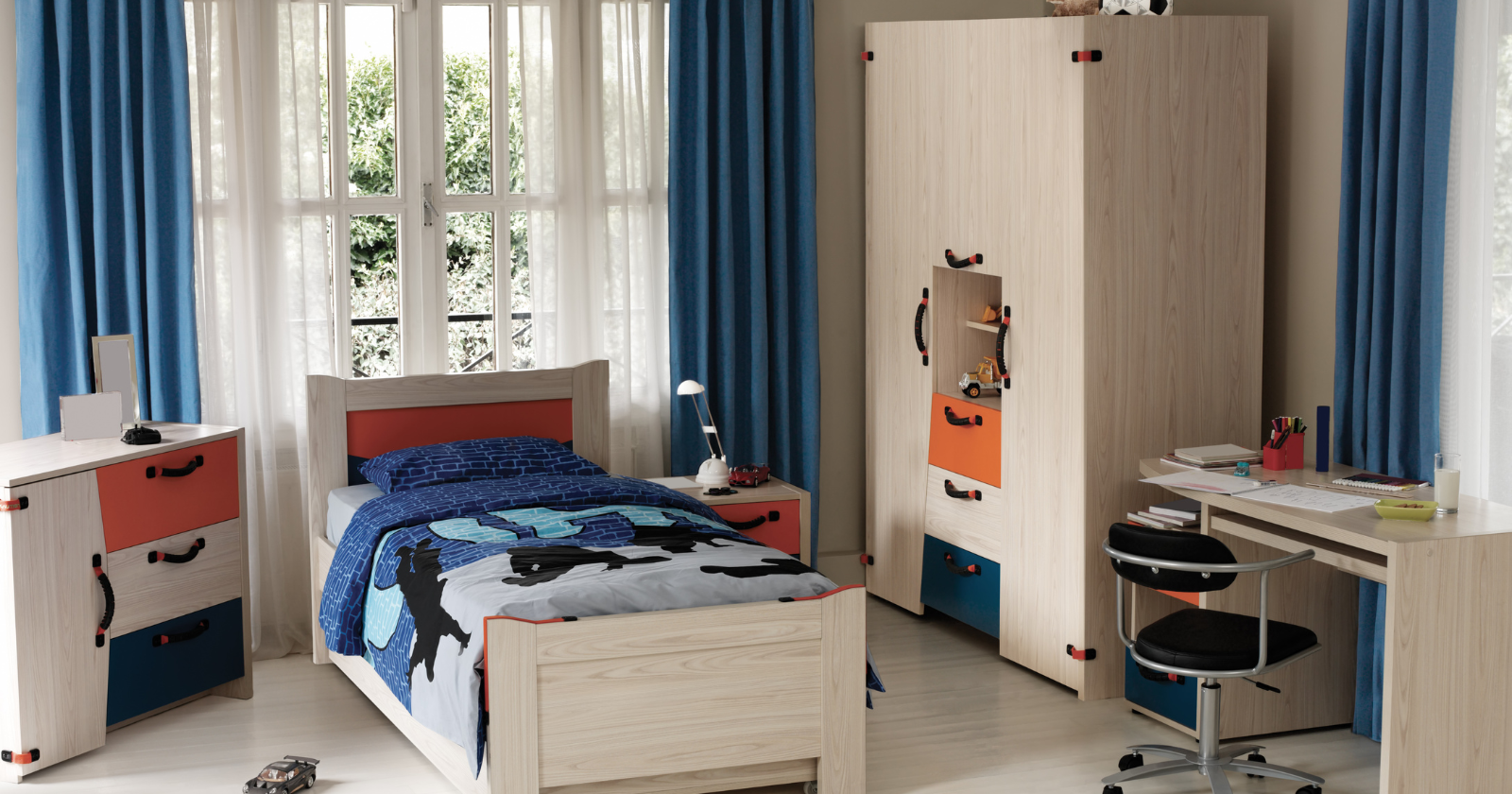
Everything was exactly where eighteen-year-old me had left it. Band posters gone soft at the corners. A rack of CDs in an order that had meant something urgent to a boy who no longer exists. A football trophy I hadn’t so much earned as been in the vicinity of. Glow-in-the-dark stars still stuck to the ceiling in a constellation only I knew the rules of. A single bed, made up, with sheets I half-recognised.
The Artful Parent
Family-life ideas and sharp reads, in your inbox.
What you do in a room like that is run a finger along the top of the bookshelf. I did, fully expecting two decades of grey fur, the soft archaeology of a space nobody ever enters.
It came away clean.
I stood there staring at my own spotless fingertip like a fool while the full meaning of the room rearranged itself in front of me. This was not a space that had been shut up and forgotten. It had been tended. Somebody had been coming in here. Often. For years on end.
She had been waiting in it the whole time
I went and asked my mum, as lightly as I could manage, when she’d last given the room a once-over. She answered like it was the most ordinary question on earth. “Oh, every Friday.” Every Friday. Two decades of Fridays, a thousand-odd of them, a woman letting herself into an empty room to dust the possessions of a boy who’d been gone since the Blair government.
She hadn’t been keeping the room as a museum. A museum is something you seal off and leave behind glass. She’d been keeping it ready. Aired, clean, made up, prepared at any moment for someone to walk back in and stay. She’d been keeping my place set at a table I had long since stopped turning up to.
The boy she was dusting for left a long time ago
The detail that genuinely took my legs out, standing in the very particular smell of that room, was the slow understanding of who exactly she had been waiting for. Because the person she’d kept it ready for was not me. Not the me that exists now. That bloke lives eight thousand miles away and has built a life she’s only ever seen in photographs, has turned into someone across three cities and twenty years that she got nothing but the edited phone-line highlights of.
The boy that room was waiting for was eighteen and certain of everything and about to go and swallow the world whole. He doesn’t exist anymore. I used him up becoming whatever I am today. And my mother had spent twenty years dusting the shelves of a person who’d walked clean off the edge of the earth without telling anyone, herself included, keeping his bed turned down in case he ever found his way back. Not fully able to accept that the boy who left and the man who phones were never going to be the same arrival.
Two kinds of love, just missing each other
I think a parent never quite updates a child to the current version. All the earlier ones stay in there, layered and alive at once. The teenager, the school kid, the baby, none of them get deleted when the next one loads. That room was simply the eighteen-year-old’s turn to be kept breathing, because eighteen was the last edition that lived under her roof full time, the last one she had every single day before I shrank down into a voice on a phone and a face at Christmas.
There’s a grief in that which nobody prints a sympathy card for. Not the death of a person, but the vanishing of one version of them into the next. Your child grows up, which is the entire point, the precise outcome you spent eighteen years engineering, and it is also a small bereavement you are not permitted to mourn aloud, because grieving your kid’s success sounds like ingratitude. So you don’t say it. You just go quiet, and you dust the room, every Friday, for as long as it takes.
What I did with the bin bags
I had come to empty the room. In the end I mostly didn’t. I filled two bags with the genuinely dead matter, the schoolbooks, the dead Discman, the clothes that would now fit a coat hanger and nobody else. But I left the bones of the place standing. The daft trophy. The stars. A couple of the softest posters.
Before I flew home I did what I should have done a decade earlier, which cost me more than every bin bag combined. I sat my mum down and told her, out loud, in actual sentences, that the boy from that room had turned out alright. That he’d had a good life and was still having one, largely on account of how he’d been raised inside that house. That she could finally stop keeping his place set, not because he was never coming back, but because he’d never truly gone, he’d just grown into a man calling from a long way off who loved her far more than the eighteen-year-old had ever had the wit to.
She cried. I won’t pretend I held it together either. We are not a family built for this sort of conversation, which is exactly why it counted for something when we finally had it.
We’re packing the room up properly now, the two of us, together, which turns out to be a wholly different act from me clearing it alone. One thing came home with me to Bangkok. Not a poster, not the trophy. A single glow-in-the-dark star, peeled with great care off the ceiling. It’s stuck above my bed now, eight thousand miles from where she first pressed its brothers up there when I was small enough to be frightened of the dark. It barely glows at all these days. Twenty years is a long time to hold a charge. But on the right kind of black night, if I leave the lamp on a while to feed it first, it still gives off just enough light to remind me that somewhere, for two whole decades, a woman kept a room ready for a boy, on the off chance he ever came home.