
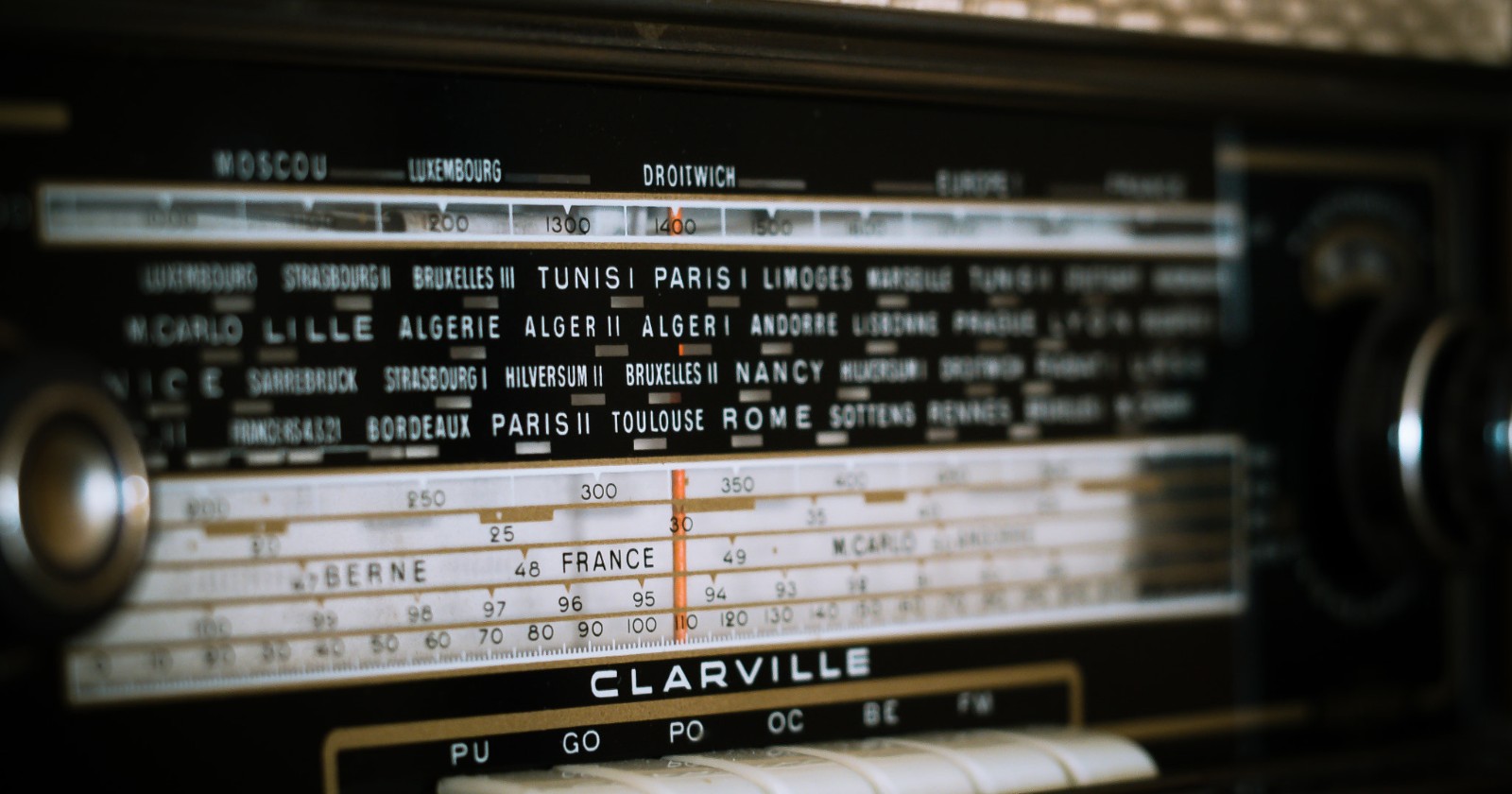
It usually arrives without being asked. A song from a kitchen radio in 1962, the smell of a particular casserole, a box of photographs found while looking for something else — and suddenly a person is somewhere they haven’t been in fifty years, missing people who may be long gone, smiling and aching at the same time.
Many of us were raised to be a little embarrassed by this. Dwelling on the past has a reputation — wallowing, living in yesterday, a sign that someone has given up on today. For a long time, medicine agreed with that reputation in the strongest possible terms.
Before we go further: we are writers and parents, not clinicians or psychologists. This is a reading of published research, offered because we found it moving — it is not therapy, not diagnosis, and not advice about anyone’s grief or memory.
The emotion that was once a medical diagnosis
The word nostalgia was coined in 1688 by a Swiss physician named Johannes Hofer, from the Greek nostos (return) and algos (suffering). He was describing Swiss mercenaries falling apart on foreign campaigns — weeping, insomnia, irregular heartbeat — and he classified what he saw as a cerebral disease. One contemporary blamed atmospheric pressure. Other physicians of the era proposed, in all seriousness, that the unremitting clanging of Alpine cowbells had damaged Swiss eardrums and brains.
The diagnosis softened over the centuries but never quite turned friendly. By the 1800s nostalgia was filed under melancholia. Well into the 20th century, psychoanalytic writers were calling it an “immigrant psychosis” and a regressive disorder. It took until the late 20th century for nostalgia to even be separated from homesickness — sociologist Fred Davis showed that people associated words like warm, old times, and childhood more readily with nostalgia than with missing home, and dictionary definitions now treat the two as distinct. The reputation our culture carries — that lingering in the past is unhealthy — is, in part, three hundred years of medical habit.
What happened when researchers finally looked
In 2006, psychologists Tim Wildschut and Constantine Sedikides of the University of Southampton, with Jamie Arndt and Clay Routledge, published seven studies in the Journal of Personality and Social Psychology — among the first systematic attempts to ask what nostalgia actually is, when it comes, and what it does.
First, it is common. Nearly 80 percent of participants in one of their studies experienced nostalgia at least once a week, and the most common answer of all was three or four times a week. It is not an exotic affliction; it is a strand of ordinary inner life.
Second, it has a shape. When people wrote down their nostalgic memories, the scenes were overwhelmingly social — family, friends, weddings, departures — with the self at the center, surrounded by people who mattered. The authors quote an earlier writer’s phrase for this: in nostalgic reverie, “the mind is ‘peopled.'” And the memories were not simple postcards. Many contained loss and disappointment, but in two thirds or more of the narratives, the story bent upward: hardship gave way to something redemptive. Nostalgia, the researchers found, is bittersweet with the accent on sweet — in a phrase they borrowed approvingly from an earlier writer, closer to “a joy tinged with sadness” than to mourning.
Third — and this is the finding that reverses the old diagnosis — nostalgia tends to arrive when something is wrong. The most common trigger people named was feeling low — most often a general sadness, with loneliness the single most-named specific emotion. Sensory triggers came next: smells and music above all, the kitchen-radio kind of ambush familiar to anyone over fifty, along with conversations with people who were there when it happened. When the researchers induced a sad mood in the lab, nostalgia rose. When they led people to feel lonely, nostalgia rose again. The “disease” shows up at the bedside, not as the illness but, perhaps, as the visitor.
The experiments went one step further. People who spent a few minutes immersed in a nostalgic memory came out the other side reporting stronger feelings of being loved and protected, higher self-regard, more positive mood, more confidence in their ability to reach out, open up, and comfort others — compared with people who recalled an ordinary event. In one experiment, those who had just written about a nostalgic memory even scored as more securely attached on a standard relationship questionnaire — measurably less anxious, and somewhat less avoidant, about closeness. Negative feeling did not significantly rise in either study that measured it. The past, revisited, seemed to function as a store of warmth that people instinctively draw on when the present runs cold.
This is one body of research, not settled consensus
Some plain limits. These seven studies were conducted mostly with British university students, the large majority of them young women. The authors themselves wrote that generalizing to older adults is an open question — they suspected nostalgia may matter more with age, but in this paper that remained a hypothesis, not a result. For a readership like ours, that caveat is not small.
The lab inductions of sadness and loneliness were also, necessarily, mild, and the benefits measured were immediate and short-term — minutes, not months. And the older, darker view has serious defenders: some emotion theorists have classified nostalgia among the distress and loss emotions, and the study’s own participants, asked to list nostalgia’s downsides, named sadness most often, along with rumination and regret. Almost everyone could name at least one downside. Nostalgia is not a purely pleasant visitor, and this research does not claim it is.
What this can and cannot do
What this research can do is retire some shame. If you find yourself lingering over photographs or returning to the same summer in your mind, the evidence here suggests this is among the most ordinary things a human mind does, and that it often does it for a reason — most often a social one. It may also change how we hear an aging parent’s repeated stories: less a symptom, more a way of keeping a room full of people warm.
What it cannot do is treat anything. A few minutes of nostalgic reverie measurably lifting mood in a laboratory is not a remedy for sustained loneliness, and no article — including this one — is an intervention. Persistent loneliness and low mood in later life deserve real attention; a counselor or therapist, or a frank conversation with a doctor, can do what no fond memory can.
Hofer thought his soldiers were sick with the past. Three centuries later, some of the first researchers to check carefully found the arrow may point the other way: people reach for the past most when the present leaves them alone with it — and what they carry back is, more often than not, the feeling of being loved.
