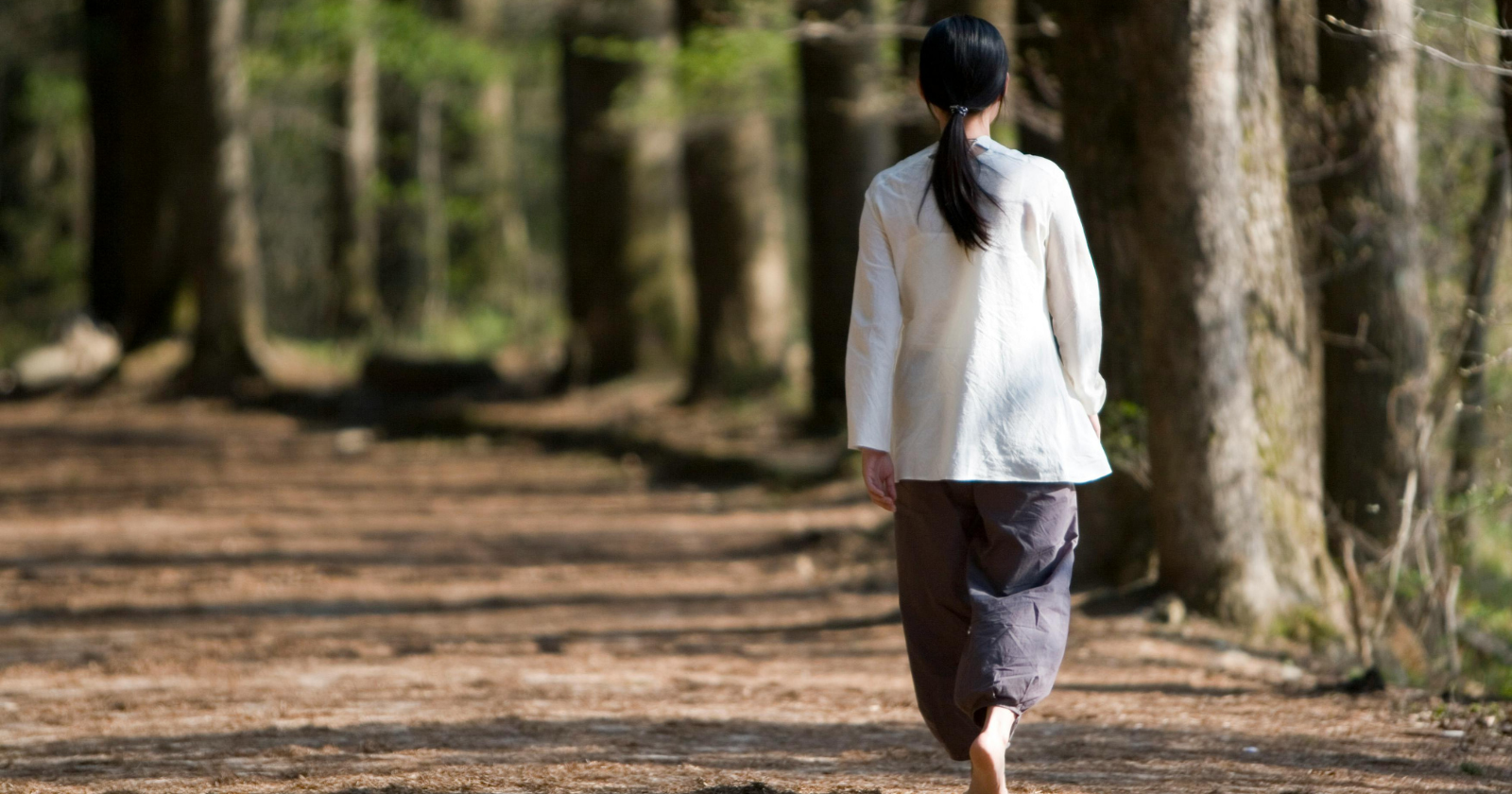
Solitude and loneliness get treated as the same feeling, but anyone who has actually lived through both will tell you they are opposites, and that the distance between them is not measured by how many people happen to be in the room.
The first time I moved somewhere entirely new on my own, I couldn’t have told you the difference either. I sat in a half-furnished room surrounded by suitcases I hadn’t opened yet, and I felt something heavy and formless, and I called it loneliness because that was the only word I had for “alone and unhappy about it.”
For a while, that word fit exactly, the way an old coat fits even after you’ve outgrown the reason you bought it.
A room with no shape yet
Loneliness, I’ve come to think, isn’t really measured by how many people are around you. It’s the ache of unmet connection — the specific hunger of being unseen even in a full room, or in my case, being unseen in a room with no one in it to see me at all. It has a kind of static built into it. You keep reaching for something and your hand keeps closing on air, and the closing on air is the part that actually hurts, more than the air itself. Every evening had the same shape: too much silence, arranged around a day that had nothing in it worth mentioning to anyone, because there was no one yet to mention it to.
I don’t think this is a feeling anyone gets to skip. Every move, every new city, every fresh start that looks so tidy from the outside, seems to come with a toll booth you have to pass through first, and the toll is usually paid in exactly this currency: nights that feel unbearably long for no reason you can point to, because the reason isn’t an event, it’s an absence, and absences don’t announce themselves the way events do.
The static of being unseen
What surprised me is that the aloneness itself never actually went away. What changed, slowly enough that I didn’t notice it happening in real time, was its character. Weeks passed, then months. Routines formed without my deciding to form them — a particular walk, a particular café, a particular hour I started reserving without quite admitting I was reserving it. Somewhere in there I stopped enduring the hours by myself and started, almost without noticing the shift, choosing them instead.
That’s a strange sentence to write, because nothing about my circumstances had changed. I was exactly as alone as I’d been in that first half-furnished room. The boxes had been unpacked, but the fundamental fact of being one person in a life built for one person hadn’t moved an inch. What had moved was something more like posture — the way you stand differently in a room once you’ve decided to live in it rather than just wait to leave it.
The morning the quiet stopped asking anything of me
Making coffee for one stopped being a small daily proof of who wasn’t there and became just coffee. Walking somewhere without narrating the walk to anyone in my head stopped feeling like a gap in the day and started feeling, unexpectedly, like the best part of it.
Nobody had changed my circumstances.
Nobody had arrived.
But the quiet had stopped asking me a question I couldn’t answer, and started, instead, giving me room to answer a few questions on my own terms, at my own pace, without an audience keeping time.
Loneliness is a room you got locked into. Solitude is a room you built, on purpose, once you finally had the walls for it.
The room you build versus the one you got locked into
That’s the hinge point between the two feelings, and it’s easy to miss because from the outside they look identical: a person, alone, in a room. But one of those rooms is where the good, quiet work of becoming yourself actually happens — the noticing, the making, the small private rituals nobody has to approve of, the slow return to your own company that ends up making you better company for everyone else once you’re back among them, including the people you love most and see every single day. The other room just keeps you waiting for someone to let you out, counting the hours as something to survive rather than something to spend.
I think this matters most for the people who assume solitude is a luxury reserved for those without responsibilities to anyone else — as though the ability to sit quietly with yourself is a phase you age out of once your days fill up with other people who need you. If anything, it’s the opposite. The version of yourself that can tolerate its own quiet company, that doesn’t treat every unstructured hour as a problem to be solved with noise, tends to be a steadier, less depleted version to be around in the first place. You can’t consistently give attention you’ve never learned to sit in by yourself.
Nobody warns you that you have to pass all the way through one room to reach the other, or that there’s no shortcut around the static in between. You just have to sit there long enough to find out, on your own, which kind of quiet you’re actually sitting in — and nobody else can tell you which one it is from the outside, no matter how many boxes are still unopened on the floor.