Being the favorite grandparent wasn’t something I set out to achieve. But last week, when my eight-year-old granddaughter whispered to her mom that she wanted to sit next to me at dinner because “Grandpa gets me,” I realized I might be doing something right.
I’ve been thinking about this a lot during my weekend park visits with the grandkids. What makes some grandparents the ones kids gravitate toward while others struggle to connect? After watching my four grandchildren (ranging from three to eleven) and observing other grandparents in action, I’ve noticed some patterns.
The truth is, becoming the grandparent your grandkids actually want to spend time with isn’t about buying the best gifts or being the “fun” one who breaks all the rules. It’s about showing up in ways that make them feel truly seen and valued.
Let me share what I’ve learned about the simple things that seem to make all the difference.
1. They listen without immediately offering solutions
When my granddaughter tells me about a problem with her friend at school, my first instinct used to be jumping straight into fix-it mode. “Have you tried talking to her?” “Maybe you should tell the teacher.” Sound familiar?
But here’s what I’ve discovered: kids often just want someone to hear them. Really hear them. Now when one of my grandkids shares something, I pause. I nod. I say things like “That sounds really tough” or “How did that make you feel?”
The shift in their faces when they realize you’re not rushing to solve everything is remarkable. They open up more. They share deeper thoughts. And surprisingly, they often figure out their own solutions when given the space to talk things through.
2. They remember the little things
My youngest grandchild loves collecting rocks. Not special rocks, mind you. Just regular old rocks from wherever we happen to be. So I started keeping a small box in my car specifically for his rock collection when he visits.
Is it a big deal? Not really. But his face lights up every single time he sees that I’ve kept his treasures safe.
Whether it’s remembering their current favorite color, the name of their stuffed animal, or that they don’t like pickles on their sandwich, these tiny details send a powerful message: “I pay attention to you because you matter to me.”
3. They follow the child’s lead
I used to plan our afternoons together meticulously. Trip to the museum? Check. Educational activity? Check. But you know what? Some of our absolute best times have happened when I threw the plan out the window.
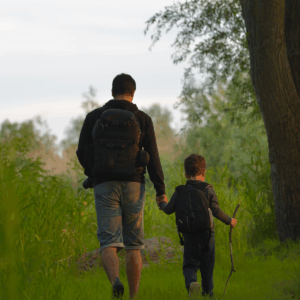
One Saturday, my six-year-old grandson wanted to spend two hours watching ants carry crumbs across the sidewalk. The old me would have tried to redirect him to something more “productive.” Instead, I sat down next to him, and we made up stories about where the ants were going. We named them. We cheered when they successfully carried a particularly large crumb.
Was it what I had planned? Nope. Was it magical? Absolutely.
Kids have their own rhythms and interests. When we tune into those instead of imposing our agenda, that’s when the real connection happens.
4. They make one-on-one time a priority
Having all four grandkids together is chaos (wonderful chaos, but chaos nonetheless). What I’ve noticed, though, is how different each child becomes when they have my undivided attention.
My usually quiet granddaughter becomes a chatterbox when it’s just the two of us. My typically boisterous grandson shows his sensitive side when he’s not performing for an audience.
Even if it’s just fifteen minutes reading a book together while the others play, or a quick walk around the block, that individual attention is gold. They’re not competing for attention or putting on a show for siblings. They’re just themselves.
5. They share appropriate stories from their own childhood
Kids love knowing that adults were once kids too, and that we made mistakes, felt scared, and did silly things. When my grandkids are struggling with something, I often share a similar experience from when I was their age.
“You know, when I was seven, I was terrified of learning to ride a bike too. I fell off so many times that I wanted to give up.” Their eyes get wide. Grandpa was scared of something? Grandpa failed at something?
These stories create bridges. They show that feelings are normal, that challenges can be overcome, and that even grandparents aren’t perfect. Just keep them age-appropriate and relevant to what they’re experiencing.
6. They embrace the silly
Dignity? What dignity? If wearing a princess crown while having a tea party makes my granddaughter happy, pass the tiara. If my grandson wants to see who can make the silliest face, game on.
There’s something liberating about letting go of adult stuffiness. Kids don’t care if you look ridiculous. In fact, they love it when you do. Some of our biggest belly laughs have come from moments when I’ve been willing to be completely, utterly silly.
The dishes can wait. The “important” stuff can pause. Right now, being a dragon who’s afraid of butterflies is my most important job.
7. They respect boundaries and feelings
Not every day is a good day for big hugs. Sometimes kids don’t want to talk. Sometimes they’re grumpy or sad or just need space.
I’ve learned to read the signs and respect them. “Looks like you need some quiet time. I’ll be here when you’re ready” goes a lot further than forcing interaction. Kids, just like adults, have different moods and comfort levels.
This respect builds trust. They learn that their feelings matter and that they have control over their own space and interactions. Paradoxically, respecting their need for distance often brings them closer.
8. They stay present
When I’m with my grandkids, my phone goes on silent. The news can wait. The emails aren’t urgent. This time is theirs.
Kids know when you’re really there versus when you’re physically present but mentally elsewhere. They can sense when you’re checking your watch or thinking about your to-do list.
Being fully present means noticing when they’ve been working on a drawing for the last ten minutes. It means catching that proud smile when they finally get across the monkey bars. It means being ready for the spontaneous “Grandpa, watch this!” moments that won’t come again.
Closing thoughts
I see grandparenting as my second chance to get it right, to be present in ways my career didn’t always allow when my own kids were young. But more than that, it’s an opportunity to build relationships with these incredible little humans who are becoming their own people right before my eyes.
The beautiful thing about all these approaches? They don’t cost money. They don’t require special skills. They just require showing up, paying attention, and remembering what it felt like to be small in a big world.
What moments with your grandkids have taught you the most about connection?