
Last week, I watched my daughter sorting through a box of old photos at my mother’s house. She lingered over a faded snapshot of herself at three, flour-dusted and grinning, standing on a chair beside her grandmother making cookies. “Remember this, Mama?” she asked, eyes bright. “Grandma let me crack the eggs all by myself.”
That photo wasn’t from some elaborate birthday party or expensive outing. It was just a regular Tuesday afternoon. Yet here she was, two years later, remembering every detail like it happened yesterday.
It got me thinking about what really sticks with our little ones when it comes to their grandparents. We live in a world where grandparents often feel pressure to shower grandkids with the latest toys or plan Disney vacations. But research in child psychology tells us something different: the moments that become core memories are usually much simpler than we think.
After diving into studies on childhood memory formation and talking with other parents about their own experiences, I’ve discovered that certain small gestures leave lasting impressions that fancy presents never could. These aren’t grand gestures or costly adventures. They’re the everyday moments that somehow become extraordinary in a child’s memory.
1) Sharing their special skills and hobbies
Ever notice how kids’ eyes light up when someone teaches them something new? When grandparents share their unique talents, whether it’s knitting, woodworking, or growing tomatoes, they’re passing down more than just a skill.
My father-in-law taught my daughter how to whistle last summer. Nothing fancy, just the basic two-finger whistle he uses to call the dog. She practiced for weeks, and now she whistles constantly (sometimes to my slight regret!). But what matters is that she calls it “Papa’s whistle” and beams with pride every time she does it.
Psychology research shows that when children learn hands-on skills from grandparents, they develop stronger emotional associations with those activities. The brain links the motor memory with the emotional connection, creating what researchers call “episodic memories” that last decades. Your grandmother’s pie recipe becomes more than instructions; it becomes her hands guiding yours, her voice explaining why cold butter matters.
2) Creating special traditions just for them
Does your child have something they only do with Grandma or Grandpa? These exclusive rituals become anchors in their memory.
One grandmother I know takes her granddaughter to the library every Saturday morning, just the two of them. They pick three books, get hot chocolate from the cafe next door, and read together on the same bench. Nothing Instagram-worthy about it, but that little girl talks about “library Saturdays” constantly.
These traditions don’t need to be weekly or even monthly. What matters is consistency and exclusivity. Maybe it’s pancakes for dinner when the kids sleep over, or always checking the bird feeder together first thing in the morning. Children remember these patterns because their brains are wired to notice and cherish predictable special experiences.
3) Really listening to their stories
You know that glazed look adults sometimes get when kids launch into their twentieth story about their imaginary friend? Grandparents who genuinely listen, who ask follow-up questions and remember details from previous conversations, give children something invaluable.
Related Stories from The Artful Parent
- A clinical psychologist explains that today’s parents give children more freedom, more voice, and more emotional validation than any generation before them, and the children are more anxious than ever — not because freedom is harmful, but because a child’s brain was never designed to carry the weight of unlimited choice before it can carry a conversation
- Most people assume the grandmother who keeps calling even when nobody picks up is lonely — they don’t realize she’s doing the only thing she knows how to do with love that no longer has anywhere to land
- The hardest lesson of parenthood doesn’t arrive when your children are small, it arrives when they’re grown and you hear yourself described through their memories — because the parent you thought you were and the parent they experienced are almost never the same person, and sitting with that gap is the real work of later life
My mother does this beautifully. She remembers every character in my son’s elaborate block tower sagas. She asks about them by name. “How’s Captain Wobble doing? Did he ever find his missing sock?” This attention tells children their thoughts matter, their creativity has value.
Studies on childhood development consistently show that adults who engage with children’s narratives help build stronger language skills and self-esteem. But beyond the research, kids simply remember feeling heard. They remember the adult who didn’t rush them, who laughed at their jokes, who treated their stories as important.
4) Letting them help with real tasks
How often do we hurry through chores, thinking it’s easier to just do it ourselves? Grandparents who slow down and invite kids into their daily tasks create powerful memories.
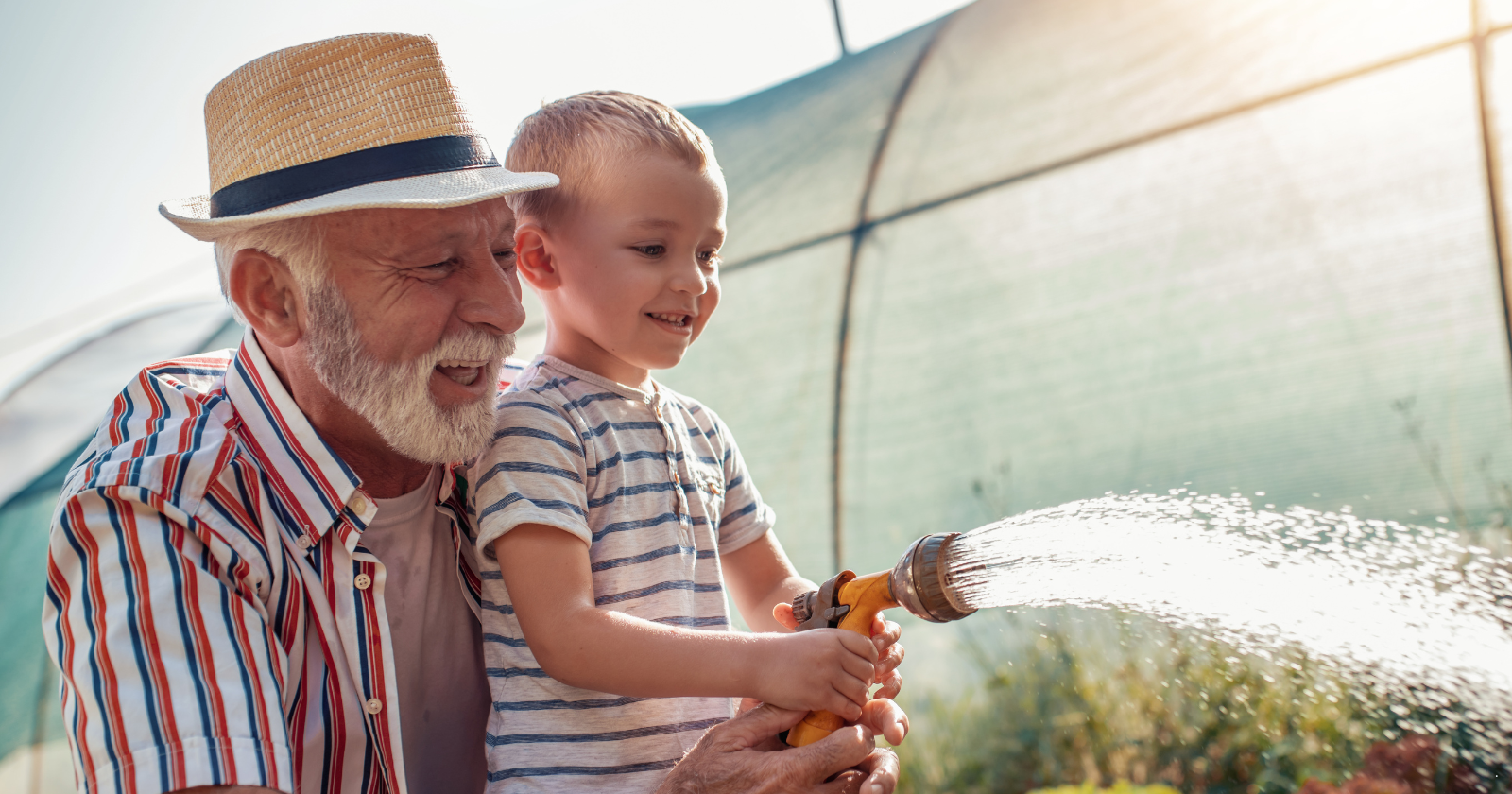
Whether it’s washing the car, folding laundry, or feeding the birds, children remember being trusted with real responsibility. My daughter still talks about helping her grandmother organize her button collection, carefully sorting them by color into old mason jars. Was it the most efficient way to organize buttons? Definitely not. But she felt important, capable, included.
Child psychologists note that participating in meaningful work alongside adults helps children develop what’s called “instrumental competence.” They’re not just playing; they’re contributing. And that feeling of being genuinely helpful sticks with them far longer than any toy could.
5) Telling family stories
Grandparents are living libraries of family history, and kids are naturally drawn to these stories, especially ones about their parents as children.
“Your dad once tried to fly off the garage roof with a beach umbrella” becomes legend. These stories do more than entertain; they help children understand their place in a larger narrative. They learn that their parents were kids too, that bravery (and mischief) runs in the family, that they’re part of something bigger.
Research on family storytelling shows it builds resilience and identity in children. They remember these tales not as history lessons but as connections to their roots, proof that they belong to something enduring.
6) Showing genuine interest in their world
When grandparents learn the names of Pokemon characters or sit through explanations of Minecraft builds, they’re doing more than being polite. They’re entering their grandchild’s universe.
I watched my usually reserved father-in-law spend an entire afternoon learning about my daughter’s fairy garden, asking where each fairy lived and what they liked to eat. She made him a detailed map afterward. That was months ago, and she still asks if he thinks the fairies would like the new flowers we planted.
This genuine curiosity about what fascinates children creates a bridge between generations. Kids remember the adults who cared enough to understand what they love, even when it made no sense to the adult world.
7) Being present during ordinary moments
Sometimes the most memorable times are the ones where nothing special happens at all. Sitting together on the porch watching clouds. Walking to the corner store for milk. Quiet moments of just being together.
These unstructured times allow for spontaneous conversations and observations that wouldn’t happen in busier moments. A grandparent pointing out a bird’s nest, explaining why leaves change color, or just sitting quietly while a child draws, these become the background music of childhood memories.
The lasting impact
What strikes me most about these seven things is how accessible they are. They don’t require perfect health, disposable income, or elaborate planning. They just require presence, patience, and genuine interest in a child’s experience of the world.
As I write this, my kids are at the kitchen table making one of our collage projects with magazine clippings and glue sticks. Nothing fancy, but I know that someday they might remember these afternoon art sessions more vividly than the expensive art supplies I bought them last Christmas.
The truth is, children don’t keep score with dollar signs. They remember feelings. They remember who made them feel special, capable, heard, and loved. They remember the grandmother who taught them to braid, the grandfather who never missed their made-up songs, the grandparent who knew exactly how they liked their sandwich cut.
These small acts of attention and care become the foundation of how children understand love across generations. Long after the toys break and the clothes are outgrown, these moments remain, shaping how our children will one day love their own grandchildren.