
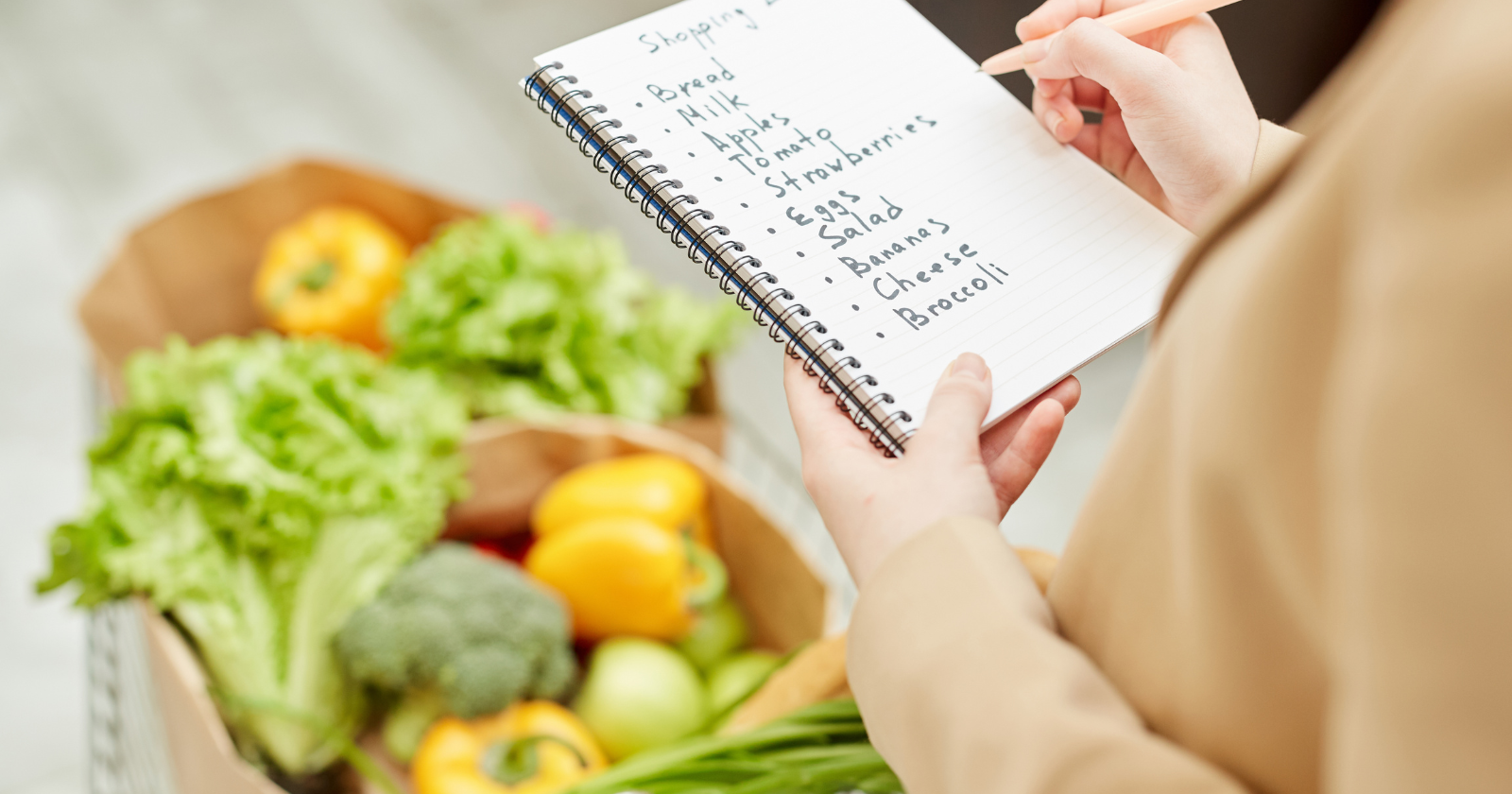
The pad is small. The pen is one she has had for years. The phone is on the table behind her, deliberately too far to pick up. The shopping list will take three minutes, and they will be among the better three minutes of her day.
She could not, if you asked her, fully explain why. She has tried the apps. She has gone back to the pad each time. This piece is about what she is getting from those three minutes that an app does not deliver. It is an essay rather than a clinical claim, but two findings from cognitive psychology bear on what is happening at the kitchen counter, and they help explain a habit a great many people quietly maintain without ever defending it.
What the hand knows that the thumb does not
The closest empirical anchor for what handwriting does to thinking is Pam Mueller and Daniel Oppenheimer’s 2014 paper “The Pen Is Mightier Than the Keyboard,” published in Psychological Science. They had students take notes on lectures either by hand or on a laptop, then tested their conceptual understanding of the material afterward. The handwriting group consistently performed better on conceptual questions. The mechanism the authors proposed was straightforward: typing is fast enough that the typist can transcribe a lecture more or less verbatim, while handwriting is slow enough that the writer is forced to summarise, paraphrase, and decide what matters. The slowness, in other words, is the feature.
The Artful Parent
Family-life ideas and sharp reads, in your inbox.
The finding has held up across replications with some softening — a 2018 corrigendum noted some methodological refinements, and subsequent studies have produced more modest effect sizes than the original — but the underlying point survives. When a person writes by hand, the mechanical pace of the pen sets a ceiling on how much can be put down, and the brain compensates by doing more processing per word. Whatever ends up on the page has been through a thinking step that typing tends to skip.
For a shopping list, the processing step looks small. The writer considers what is in the fridge. They mentally walk through the week’s meals. They notice that they wrote “onions” last week and never used them. They remember, halfway through, that someone is coming for dinner on Saturday. None of these small decisions feel like work. They happen in the soft background of writing the word “bread.” On a phone, with autocomplete and stored lists and one-tap suggestions, most of these decisions never quite arrive at the surface. The list gets made. The thinking does not.
Why doing one thing at a time matters more than people realise
The second piece of research relevant here is about attention rather than handwriting. Sophie Leroy’s 2009 paper “Why Is It So Hard to Do My Work?” in Organizational Behavior and Human Decision Processes introduced the concept of attention residue: the finding that when a person switches from one task to another, a portion of their attention remains stuck on the first task, often for some time after they have physically moved on. Leroy’s experiments demonstrated that this residue measurably degrades performance on the new task, particularly when the previous task was interrupted or left incomplete.
The relevance of this to a shopping list is not about productivity. Nobody is making a shopping list for high-stakes cognitive performance. The relevance is about what the brain is allowed to do, briefly, when it gets to focus on one thing without anything else in the way. Standing at the counter with a pad, the writer is doing exactly one task. The phone is somewhere else. There are no notifications interrupting. There is no other window open. The writer’s attention is, for the three or four minutes the task takes, undivided in a way that the rest of their day almost never permits.
What Leroy’s research suggests, applied loosely here, is that the experience of an undivided three or four minutes is itself doing something for the person having it. The brain gets a small holiday from the residue. The next task, whatever it is, starts cleaner than it would otherwise. The cumulative effect over a year of such moments is not nothing, even if it is hard to quantify.
What the title is honestly observing
The strong version of the title’s claim — that people who write lists by hand are not resisting technology but holding on to a small slow-down moment — is observation rather than empirical finding, and the piece you are reading does not pretend otherwise. What the supporting research does is explain why the observation, if it is true of someone you know, makes sense. The handwriting itself produces a different kind of thinking than typing. The single-tasking permits a kind of attention that fragmented digital life rarely allows. The combination, for the three or four minutes the list takes, is a small experience the person is genuinely getting that an app-based equivalent would not deliver.
Whether any individual hand-list-maker is doing it for this reason, or for a reason they would describe quite differently, is the kind of thing only the person can say. Many of them, asked, would not articulate it the way the title does. They would say they like the pen. They would say they remember the items better when they write them down. They would say they have always done it this way. None of these answers contradict the title’s framing. They are different surfaces of the same underlying thing.
Why the loss would land harder than people expect
The interesting feature of small daily rituals is that the person who has one rarely notices what the ritual provides until it stops. The pad gets misplaced for a week. The pen runs out at an inconvenient moment. The person tries the app one more time, with serious intent. The list still gets made. The week still happens. Somewhere around Thursday, the person notices that something small has been missing from each day, and that they cannot quite locate what it was.
What was missing was the three or four minutes. The undivided attention. The small mechanical pleasure of the pen on the pad. The mental walk through the week that the handwriting forced. The moment of standing still in the kitchen, doing exactly one thing, before resuming the rest of the day. None of these were the point of the shopping list, in the sense that the list was about buying groceries. They were the thing the shopping list was secretly delivering, alongside the groceries, for years.
The person who returns to the pad on Friday is, in this small sense, returning to something they did not know they were doing. They start the list. They remember they need eggs. They write down “eggs.” Somewhere in the soft background of writing the word, the rest of the week comes briefly into focus, and the part of the day that was missing has quietly come back.