
There’s a common intuition that the color of what a person wears says something about how they’re feeling, or maybe even shapes how they feel. Two separate, fairly different studies get at pieces of that idea, though not in exactly the way the popular version of the claim usually assumes.
The first comes from a 2010 study by Helen Carruthers, Julie Morris, Nicholas Tarrier, and Peter Whorwell, published in Behavioural and Brain Functions. The researchers developed and validated a tool called the Manchester Color Wheel, which lets people select the color that best matches their current mood from a set that included gray, black, white, and eight hues in several shades. They tested it on 323 adults split into three groups, people with no diagnosed anxiety or depression, people diagnosed with anxiety, and people diagnosed with depression. Yellow was the color most strongly associated with normal, healthy mood. Gray was the color most strongly associated with anxious or depressed mood. It’s worth being precise about what this study actually measured: participants were choosing a color that matched how they felt in general, not specifically describing their clothing. But the finding is still directly relevant to the idea that gray and other low-vibrancy, achromatic tones track with lower mood, at least as a color people gravitate toward describing that mood.
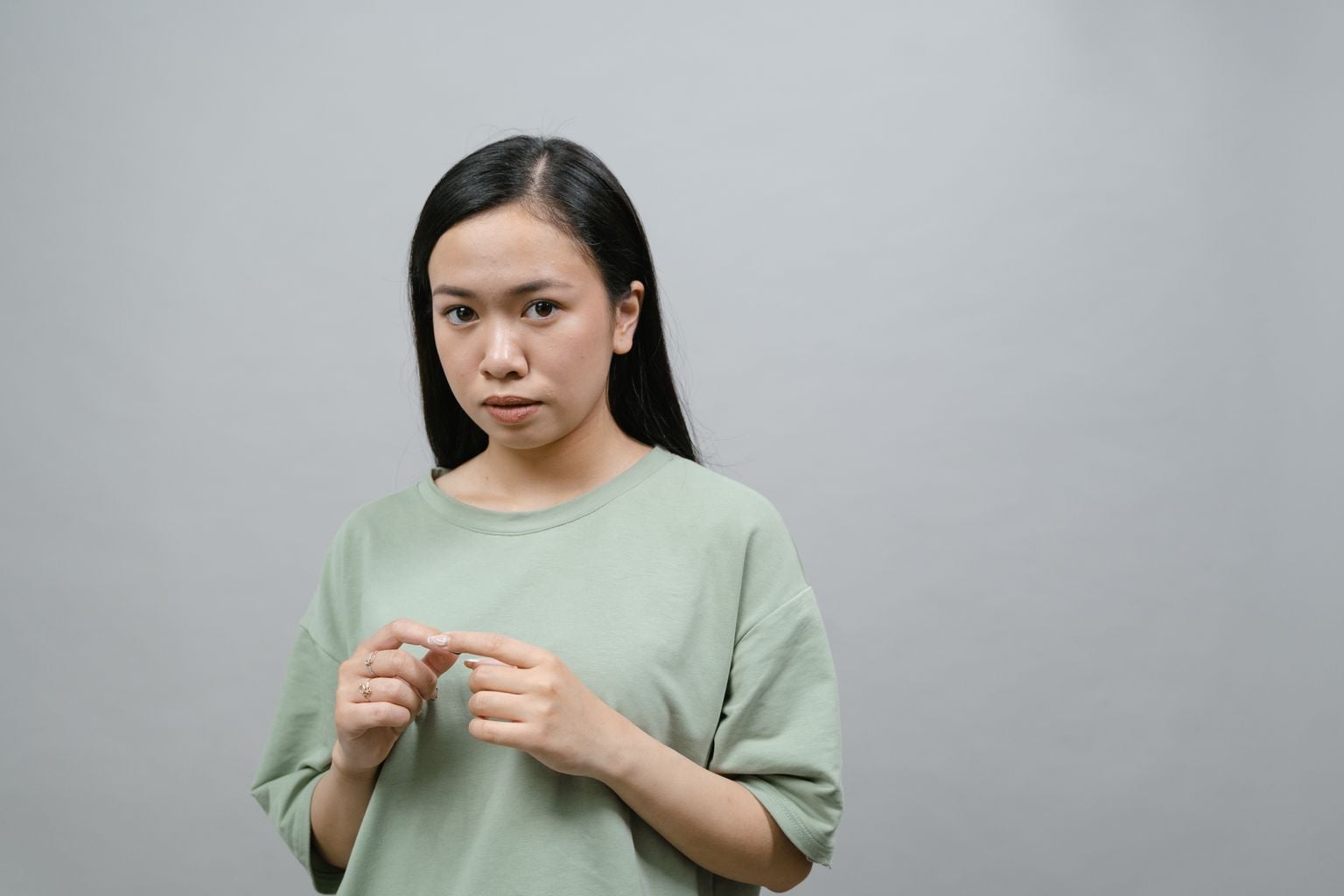
A second study looks specifically at clothing color, and at something a little more surprising: whether the effect of color shows up even when the color itself isn’t visible. In a 2010 study by S. Craig Roberts, Rachel Owen, and Jan Havlicek, published in Evolutionary Psychology, 20 participants were photographed wearing six different colored t-shirts, red, black, blue, green, yellow, and white. Groups of 30 to 60 independent raters then judged the attractiveness of each photo. In some versions of the experiment, the researchers digitally altered or obscured the shirt color so raters couldn’t actually see what color the person was wearing. Red and black clothing raised attractiveness ratings, as expected. What was more notable is that this effect persisted even in the versions where the color was hidden from raters, meaning something about the photos themselves, likely the wearer’s posture, expression, or general bearing, had shifted when they were wearing those colors, not just the raters’ reaction to seeing the color directly. The implication is that clothing color may change something about how a person carries themselves, not only how onlookers perceive the color itself.
Put together, these two studies suggest something more specific than the simple idea that colorful clothes make people look happier to others. Carruthers and colleagues’ data suggests gray in particular is the color people most associate with an anxious or low mood state. Roberts and colleagues’ data suggests that clothing color can shift a person’s own bearing enough to be picked up by others even when the color itself is hidden from view, hinting that the effect may run partly through the wearer’s own psychology and not just through the visual impression the color makes. Between the two, there’s a real basis for the idea that leaning consistently toward gray, drab, low-vibrancy clothing might both reflect and reinforce a flatter mood, rather than being a purely neutral, meaningless choice.
It’s worth being honest about what neither study fully proves. Carruthers and colleagues’ study is about color choice as a mood indicator generally, using a color wheel rather than actual garments, so its relevance to clothing specifically is an inference, not something the study tested directly. It’s also correlational, so it can’t establish whether gray preference causes low mood, reflects it, or both. Roberts and colleagues’ study used a small sample, only 20 people photographed and a handful of colors tested, and focused specifically on attractiveness ratings rather than the wearer’s own reported mood, so it speaks to how the effect looks from the outside more than how it feels from the inside. Neither study directly tested color saturation or vibrancy as a continuous scale, both worked with specific named colors instead.
Within those honest limits, what the research supports is a more careful version of the common intuition. Gray in particular does seem to be the color most closely tied to how people describe an anxious or low mood, and clothing color appears capable of shifting something real about how a person comes across, beyond just the visual impression of the color itself. Whether reaching for more color is a genuine lever on mood, or simply a marker of a mood that’s already shifting, isn’t something this specific research settles, but the two findings together suggest it’s a reasonable enough hunch to take seriously.
