
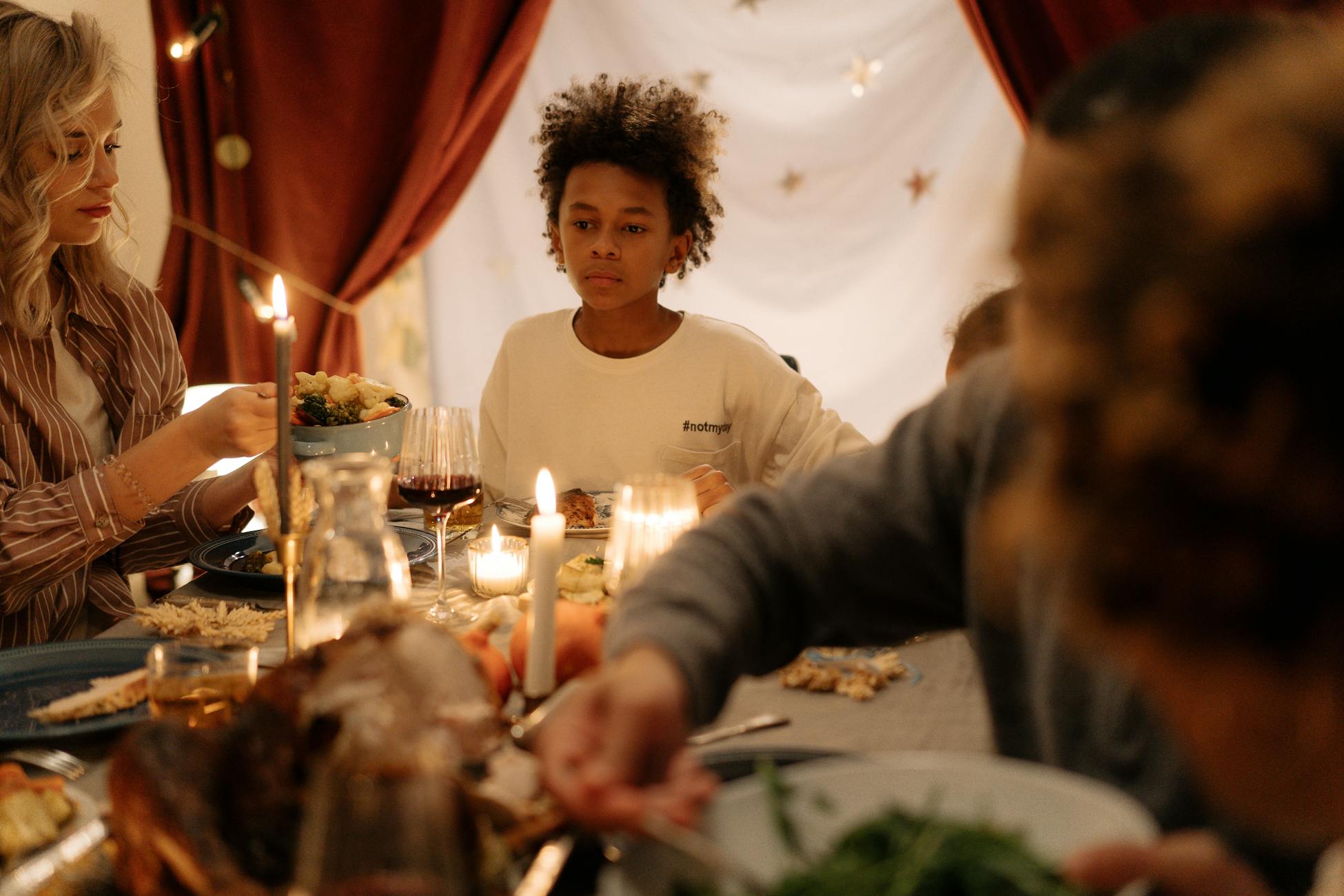
Most accounts of the postwar generation lean on the same shorthand: prosperity, optimism, suburbia, the long climb. What gets left out of that story is something quieter and harder to graph. Children born between 1945 and 1965 were, in a great many homes, expected to walk into a room and assess it before they spoke. Was the father tired or tense. Was the mother holding something in. Was there a guest who needed to be impressed, a sibling who’d already cried, a meal that had gone wrong. The child registered all of that within seconds and adjusted their volume, their request, their face. They didn’t learn this from a book. They learned it because the cost of getting it wrong was real.
The conventional wisdom about that generation tends to swing between two poles. Either they were the lucky ones who grew up in stable, hopeful households, or they were the stoic ones who repressed everything and now refuse therapy. Neither version captures the actual texture of being a small person tasked with monitoring the emotional weather of adults who would have been startled to learn they were emitting weather at all.
The Artful Parent
Family-life ideas and sharp reads, in your inbox.
What follows is observation, drawn from patterns we’ve noticed in our own homes and in the families we’ve watched across decades. We aren’t psychologists or family therapists. The patterns below are not diagnoses. They’re a reading of seven adult habits that seem to keep tracing back to the same early training, and they show up often enough in the postwar cohort that they seem worth naming.
1. Reading the room before reading themselves
The first thing many of them do when they walk into any space, even now, is scan it. Whose mood is off. Who needs a drink. Who looks like they might say the wrong thing. It happens before they’ve taken off their coat. They aren’t doing it consciously. The scan is older than their conscious mind.
The cost is that their own internal weather gets noticed last, sometimes not at all. Ask one of them how they feel and you may get a thoughtful, accurate report on how everyone else in the room is feeling. The question about themselves slides off. There’s a kind of sensitive emotional radar that develops in children who grew up watching adult faces for danger signs, and it doesn’t switch off when the danger is gone.
2. Apologizing as a reflex, not a response
Many of them apologize for things that aren’t theirs. The dropped glass at the restaurant. The traffic. The tone of a stranger. The weather. The apology arrives before the situation has even been assessed, because in the household they grew up in, getting an apology in first was often the fastest way to defuse a room.
This is different from politeness. Politeness is a choice. This is a reflex from a body that learned, early, that being the one to absorb friction was safer than waiting to see who’d be blamed.
3. Difficulty asking for help, even when help is sitting next to them
We’ve explored this elsewhere — the way so many people in this cohort can host, feed, drive, and rescue everyone around them but go silent when they need something themselves. The early training is part of it. A child who was praised for being good, easy, no trouble, learned that needs were the thing that disrupted the room. Adults with that history often carry an unspoken rule into every relationship: I will be the one who gives. You will not have to manage me.
It looks like generosity. It can also look, decades in, like loneliness. Intergenerational transmission of parenting practices suggests these patterns travel forward — children of emotionally vigilant households often raise emotionally vigilant children of their own, sometimes without realizing the inheritance is being passed.
4. A strong preference for being needed over being known
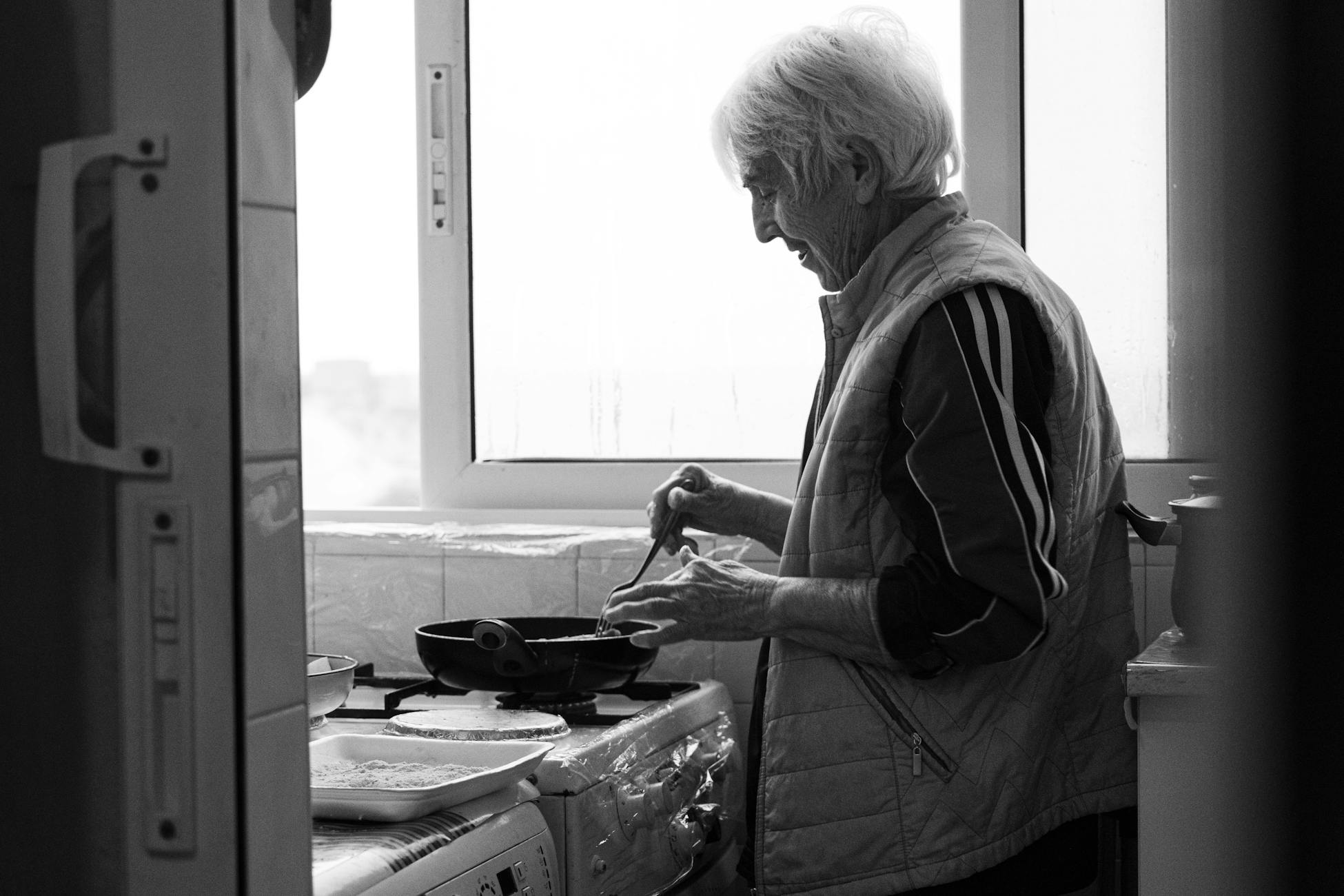
Being useful was safe. Being known was not. In a home where the adults didn’t have the language for their own inner lives, a child’s inner life was often treated as background noise, or worse, as an inconvenience. So the child learned to lead with usefulness. Bring the napkins. Watch the baby. Don’t sulk.
That preference doesn’t dissolve. It just matures into a particular kind of adult — the one who’ll drive you to the airport at four in the morning but won’t tell you they’ve been struggling. The relationship runs on tasks. Tasks were always the safer currency.
5. A finely tuned ear for tone, and a tendency to over-interpret it
People who grew up reading faces tend to keep reading them. A short text feels like distance. A neutral hello feels like disapproval. A pause on a phone call gets a story attached to it before the other person has even finished thinking.
This isn’t paranoia. It’s an old instrument still calibrated for a household where small tonal shifts genuinely did predict something. The instrument is doing what it was built to do. It just isn’t always accurate anymore, because most of the rooms they’re in now are not the room they grew up in. Childhood relationships shape adult attachment patterns in ways that carry forward durably, even when the original conditions are long gone.
6. Trouble naming what they feel in the moment they feel it
Ask a person in this cohort how they felt about something difficult and you’ll often get an excellent answer — three weeks later. In the actual moment, the feeling was registered, filed, and set aside so the room could keep moving. The processing happens privately, slowly, often at the kitchen sink at eleven at night.
This is not the same as being out of touch with emotion. Many of them feel things deeply. They were simply trained to not produce the feeling in real time, because the real-time room couldn’t hold it. The delay was the price of keeping things calm. Decades later, the delay is still there, and the people they love sometimes mistake it for indifference.

7. A quiet, persistent vigilance that doesn’t quite turn off
Perhaps the most consistent pattern is something subtler than the other six. A low background hum of alertness. Not anxiety exactly — they’d reject that word, and they’d be partly right. More like a body that never fully sat down, even at rest. The shoulders that stay a little raised. The sleep that breaks at three. The habit of checking on everyone before bed, even when everyone is an adult and lives in another state.
Children who grow up emotionally self-managing often develop a surface of competence — an early maturity, a lack of demands — that conceals a vigilance the child themselves doesn’t recognize as unusual. By adulthood, the vigilance just feels like personality. It feels like who they are.
What the patterns share
The thread running through all seven is the same. A child was asked, gently and often without anyone meaning to ask it, to manage the emotional environment of the adults around them. They got good at it. The skill earned them love, or at least a reduction in trouble, which in a small body can feel like the same thing.
None of this is unique to one generation. Every era has its own version of the deal. What seems particular about the 1945-to-1965 cohort is that the deal was widespread, culturally reinforced, and largely invisible to the adults making it. The phrase children should be seen and not heard wasn’t a slogan — it was a household operating system. Combined with a postwar reluctance to discuss anything difficult, and a generation of parents who had themselves survived things they did not have the vocabulary to name, the result was a lot of children quietly running emotional surveillance on rooms full of adults who would have insisted nothing was wrong.
These long-traveling family patterns are part of what’s understood as intergenerational transmission, which simply means the unprocessed parts of one generation often become the unspoken instructions of the next. It doesn’t require anything dramatic. It just requires repetition.
What it looks like to notice it
The people we’ve watched soften these patterns aren’t the ones who try to dismantle them all at once. They’re the ones who notice. They catch the apology before it leaves their mouth and ask, quietly, whether anything actually went wrong. They feel the room-scan kick in at the dinner table and let it run without obeying it. They allow a feeling to arrive on the day it actually happens instead of three weeks later at the sink.
Some of them, late in life, have started to ask their adult children for things. A ride. An opinion. Company. It’s small and it’s uncomfortable and it cuts against forty or fifty years of training. There’s a thoughtful conversation on how estranged parents and adult children can begin to repair that touches on this — the way late-life willingness to be seen as needing something is often the beginning of being known, which is not the same thing as being needed, and which many people in this cohort never got to experience as children.
None of the seven patterns are character flaws. They were intelligent adaptations made by small people in rooms they did not design. What’s worth noticing is just that the rooms have changed. The adults who frightened them are mostly gone. The children who depend on them have grown. The vigilance that kept them safe is now mostly keeping them tired. Most of them already know this. They’ve known it for a while. The harder part, the part that takes longer than anyone expects, is letting the body believe the room is safe enough to stop reading.