

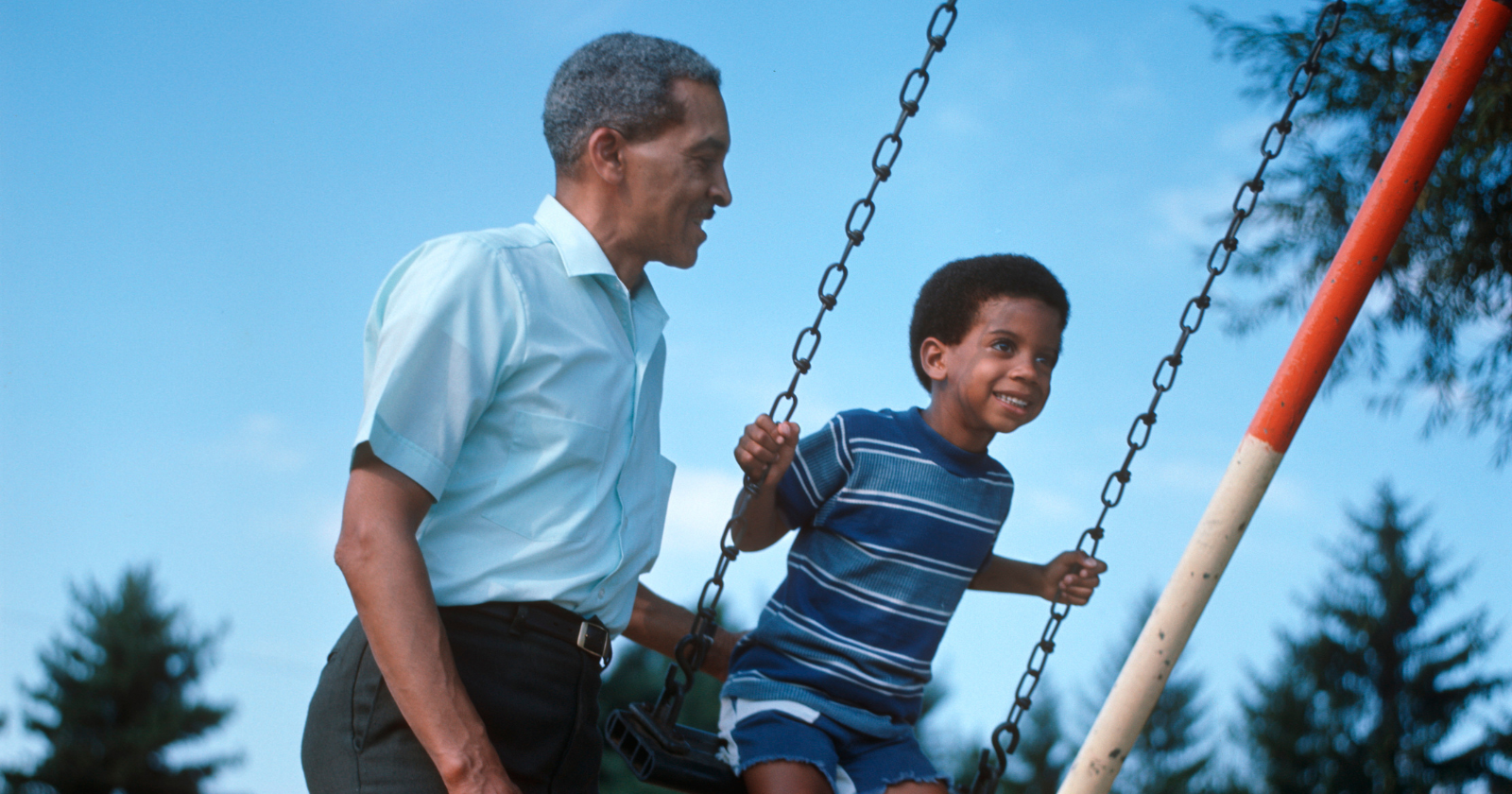
Parenting standards change. What was considered normal in one generation looks questionable—or even shocking—to the next.
Fathers in the 1970s and 80s operated under completely different expectations than fathers today. Many were good men who loved their children. They just parented in the context of their time, following norms that everyone accepted.
But looking back with today’s understanding of child development, safety, and emotional needs, some of those common practices would raise serious concerns now.
This isn’t about shaming that generation. It’s about recognizing how much our understanding of what children need has evolved.
Here are seven things fathers commonly did in the 70s and 80s that would be considered neglect by today’s standards.
1) Being almost entirely absent from daily care
Many fathers in the 70s and 80s barely participated in the actual work of raising children. They went to work, came home, and that was essentially the extent of their involvement.
They didn’t change diapers, didn’t help with homework, didn’t attend school events, didn’t know their kids’ teachers’ names or friends’ parents. They weren’t involved in bedtime routines, meal prep, or any of the daily tasks of childcare.
This wasn’t seen as neglect—it was just how things were. Childcare was “women’s work,” and fathers provided financially. That was considered sufficient.
Today, we understand that children need emotional connection and presence from both parents, not just one. A father who refuses to participate in daily care, who doesn’t know basic information about his children’s lives, who treats parenting as optional—that would be seen as neglectful.
Active, engaged fatherhood is now recognized as essential, not extra. The bar has risen significantly, and that’s a good thing.
2) Leaving young children home alone regularly
It was completely normal in the 70s and 80s for elementary-aged children to be home alone after school for hours until a parent got home from work. Six, seven, eight-year-olds would let themselves in with a key, make their own snacks, and occupy themselves until evening.
Related Stories from The Artful Parent
- Psychology says the empty nest doesn’t create loneliness — it reveals the loneliness that was already there, hidden underneath the noise and the schedules and the daily evidence that someone in the house still needed you to function
- Psychology says the thing children need most from their parents costs nothing and takes almost no time — it’s the 8-second pause between when a child starts talking and when the parent actually listens instead of preparing a response
- Psychology says the emotional distance many fathers maintain isn’t a personality trait — it’s a learned survival strategy passed down through generations of men who were taught that closeness was weakness, and their children pay the inheritance tax
Some fathers worked evenings or weekends and thought nothing of leaving children to fend for themselves. Kids stayed home alone on sick days. They were left in charge of even younger siblings.
This was called being a “latchkey kid,” and it was common enough to be a cultural phenomenon, not a concern.
Today, leaving a child that young home alone for extended periods would likely result in a visit from child protective services. Our understanding of child development, supervision needs, and safety has changed dramatically.
We now know that young children aren’t developmentally ready to handle emergencies, make appropriate decisions, or manage the anxiety that comes with being left alone. What seemed like fostering independence then looks like neglect now.
3) Smoking around children constantly
Fathers smoked in the car with the windows up. They smoked in the house, at the dinner table, in their kids’ rooms. They smoked while holding babies.
Nobody thought much of it. Secondhand smoke wasn’t widely understood as dangerous. Even doctors smoked in hospitals.
- Do Branded Promotional Products Still Work? What Bloggers Should Know Before Investing - The Blog Herald
- Your Boomer mother didn’t stop having dreams when she had you — she just stopped mentioning them because every time she said “I used to want to” someone in the room made it about guilt, and eventually she learned that the safest place to keep an unlived life was inside a sentence that started with “it doesn’t matter anymore” - Global English Editing
- I’m 65 and I spent forty years believing retirement would feel like relief – instead it feels like I finally have permission to become the person I was too busy to be, and that freedom is terrifying and exhilarating in equal measure - Global English Editing
But we now know that exposing children to secondhand smoke causes respiratory problems, increases asthma risk, contributes to ear infections, and raises the risk of SIDS in infants. It’s genuinely harmful.
Today, a father who regularly smoked in enclosed spaces with his children, especially in a car, would be seen as negligent. Many places have laws against smoking in cars with minors present.
The science changed. The standards changed. What was acceptable then is now recognized as harmful.
4) Driving with kids unrestrained
Children in the 70s and 80s bounced around freely in cars. They stood on seats, climbed between the front and back, played on the floor. Babies were held in laps. Older kids rode in truck beds or station wagon cargo areas.
Seat belts existed but weren’t always used. Car seats were rare and not required by law in most places until the mid-80s, and even then, enforcement was lax.
Fathers thought nothing of driving with their toddler standing on the seat beside them or their kids rolling around in the back during long trips.
Today, this would be considered serious neglect. We have overwhelming evidence that proper restraints save lives. Child safety seats are required by law. Specific guidelines exist for different ages and sizes.
A father today who consistently let his children ride unrestrained would face legal consequences, not just judgment. The difference in standards is stark.
5) Having zero awareness of their children’s emotional needs
Many fathers in that era didn’t think about their children’s emotional well-being at all. They didn’t ask how kids felt, didn’t notice when they were struggling, didn’t provide emotional support or comfort.
“Toughen up,” “boys don’t cry,” “quit being a baby”—these were standard responses to a child’s distress. Emotional needs were dismissed as weakness or coddling.
Mental health wasn’t discussed. Anxiety and depression in children weren’t recognized or treated. A father had no responsibility for his children’s emotional development—that was Mom’s job, if anyone’s.
Today, we understand that ignoring children’s emotional needs causes real harm. Emotional neglect is recognized as a form of neglect, not just a different parenting style.
We know that children need emotional attunement, support, and validation. A father who completely disregards his children’s feelings, who never provides comfort or emotional support, who dismisses their distress—that’s no longer acceptable.
Emotional presence matters. And its absence has consequences.
6) Exposing children to unsafe situations without supervision
Fathers in the 70s and 80s let their kids do things that would horrify parents today—and they didn’t supervise while it happened.
Young children played near busy roads without adults watching. They swam in lakes or pools with minimal or no supervision. They used power tools, rode motorcycles, handled fireworks, climbed on roofs, played with BB guns—all with little oversight.
The attitude was that kids would learn from experience, and if they got hurt, that was part of growing up. Some risk was considered character-building.
Today, we understand that young children don’t have the judgment to assess danger accurately. They need supervision in potentially hazardous situations, not because we’re overprotective, but because their brains literally aren’t developed enough to consistently make safe choices.
A father who regularly put his young children in dangerous situations without proper supervision or safety equipment would be seen as neglectful. There’s a difference between allowing age-appropriate risk and failing to protect children from serious harm.
7) Being physically present but completely disengaged
Many fathers were technically home but utterly uninvolved. They sat in front of the TV all evening while kids played around them. They read the paper during meals. They were physically present but mentally and emotionally absent.
Kids learned not to interrupt Dad when he was watching sports or reading or relaxing. His need for peace was prioritized over their need for connection.
This wasn’t considered neglect—it was just Dad being Dad. He worked hard, he deserved to relax, and kids should know not to bother him.
But today we understand that physical presence without engagement is a form of emotional neglect. Children need interaction, attention, and connection, not just an adult body in the room.
A father who consistently ignores his children, who never plays with them, talks with them, or shows interest in their lives—even when he’s home—that’s recognized as problematic now.
Presence means more than location. It means attention, engagement, and connection.
Conclusion
It’s easy to look back and judge. But these fathers were operating within the norms of their time. Most of them weren’t malicious or intentionally harmful—they were following the playbook they’d been given.
What’s changed isn’t individual fathers. It’s our collective understanding of what children need to thrive.
We now know more about child development, safety, emotional health, and the long-term impact of various parenting practices. Standards have risen because knowledge has increased.
The fathers of that era didn’t have the information we have now. They didn’t know that secondhand smoke was dangerous, that emotional neglect caused lasting harm, that young children needed more supervision than they were getting.
But we do know now. And with that knowledge comes responsibility to do better.
This isn’t about condemning the past. It’s about recognizing progress. Understanding that what was once normal isn’t good enough anymore. Acknowledging that children’s needs haven’t changed—but our understanding of those needs has deepened significantly.
Today’s fathers are held to higher standards, and those standards exist for good reason. Children benefit from engaged, present, emotionally attuned fathers who prioritize their safety and well-being.
That’s not an unfair burden. That’s just what children deserve and have always deserved—we just understand it better now.
