
Have you ever caught yourself shutting down emotionally when things get tough, then wondered where that came from?
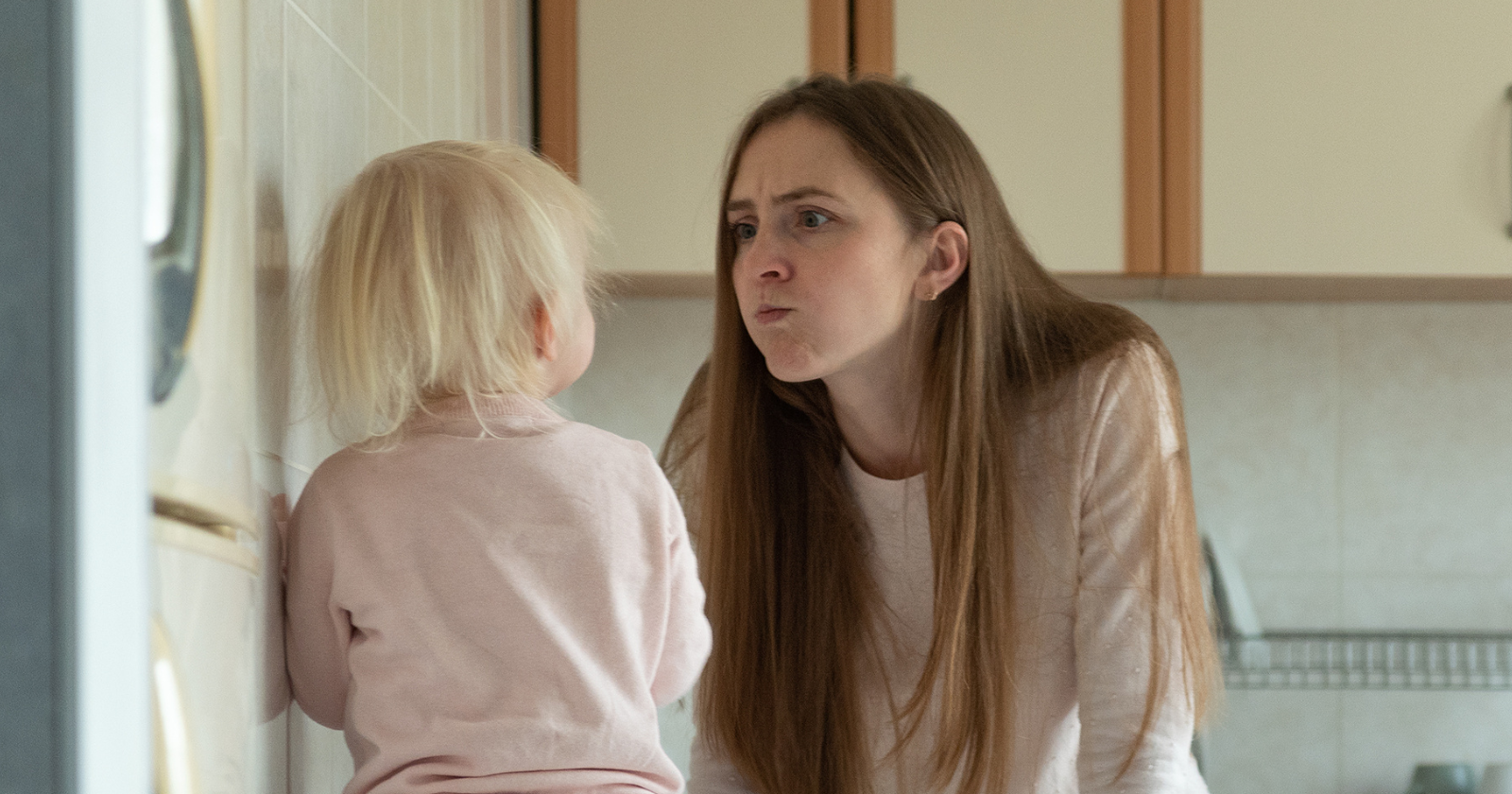
Last week, I was helping my daughter work through her feelings about a playground conflict, and I suddenly heard my mom’s voice from 1978: “Stop crying or I’ll give you something to cry about.”
I froze, there it was: That automatic response I’d been programmed with, trying to surface even though I know better now.
It got me thinking about all the ways our parents’ generation dealt with emotions, and how those approaches shaped us into the adults we are today.
Growing up as the middle child in a household where feelings were treated like inconveniences rather than important signals, I’ve spent years unlearning what I absorbed.
I’m betting if you’re reading this, you might be on a similar journey.
Let’s talk about the emotional landscape of 70s parenting and why so many of us are still untangling its effects.
1) The “Children should be seen and not heard” motto
Remember sitting at the dinner table while adults talked about “grown-up things”?
In my house, we ate together every night—which sounds great on paper—but kids weren’t really part of the conversation.
We were decorations with good table manners.
This taught us that our thoughts and feelings didn’t matter as much as adults’.
Related Stories from The Artful Parent
- There are three stages to calling your aging parent. First you call because you want to. Then you call because you should. Then you call because you’re running out of calls and you’ve started counting without meaning to. Most people are in the second stage and pretending they’re still in the first.
- Psychology says adult children who love their parents but avoid visiting them aren’t selfish — they’re protecting themselves from a role reversal their nervous system registers as existential threat
- Psychology says the best kind of parents aren’t the ones who sacrifice everything for their children — they’re the ones who model what a life worth living actually looks like, even when that means disappointing their kids in small ways
Is it any wonder so many of us struggle with speaking up in meetings or feel like imposters when we finally get a seat at the table?
We literally spent our formative years learning that our voices weren’t worth hearing.
I see the effects in my own people-pleasing tendencies.
When you grow up believing your opinions don’t matter, you learn to anticipate what others want to hear instead of developing your own voice.
2) Crying was weakness (especially for boys)
My older brother got this one the worst.
Every scraped knee or hurt feeling was met with “big boys don’t cry” or “toughen up.”
Meanwhile, my sister and I got “you’re being too sensitive” or “stop being so dramatic.”
The message was clear: Emotions were problems to be fixed.
Now, I watch grown men in my life struggle to identify anything beyond happy, angry, or fine.
And women? We learned to apologize for having feelings at all.
When my son falls and starts crying, I have to actively override that voice that wants to say “you’re okay!” before he’s even processed what happened.
This is because he needs to know that feeling hurt—physically or emotionally—is completely normal.
3) Distraction was the go-to comfort strategy
“Here, have a cookie.”
“Let’s go get ice cream.”
“Want to watch TV?”
Sound familiar? Whenever emotions got too big or uncomfortable, 70s parents had a whole toolkit of distractions.
Food, activities, treats, or anything to avoid actually dealing with the feeling at hand.
Fast forward to today, and how many of us reach for our phones, a glass of wine, or a shopping cart when emotions get uncomfortable?
We learned early that feelings were meant to be avoided.
The quick fix became our emotional blueprint.
4) Anger was the only acceptable “negative” emotion
Here’s something wild: In many 70s households, anger was somehow more acceptable than sadness or fear.
My father could slam doors and raise his voice when frustrated, but heaven forbid anyone cry at the dinner table.
This created a generation of adults who default to anger when they’re actually hurt, scared, or disappointed.
We learned to transform every vulnerable emotion into frustration because that was the only negative feeling that got respect rather than dismissal.
I catch myself doing this sometimes, getting snippy with my husband when I’m really just overwhelmed and need support.
It’s like anger became our emotional Swiss Army knife, the tool we use for every situation.
5) “Because I said so…” ended all discussions
Questions about emotions or family decisions were met with this conversation-ending phrase.
There was no room for understanding the “why” behind feelings or rules.
This taught us that authority figures don’t need to explain themselves, and that our need to understand isn’t valid.
Now, as adults, many of us either blindly accept what we’re told or rebel against everything.
We never learned the middle ground of thoughtful questioning and discussion.
With my kids, I try to explain the reasoning behind decisions (age-appropriately, of course) because understanding “why” helps them develop their own emotional intelligence and decision-making skills.
6) Emotional labor was invisible and gendered
Moms handled all the feelings stuff, such as scheduling doctor appointments when kids were acting out, smoothing over hurt feelings, and managing everyone’s moods.
Dads brought home paychecks and maybe played catch on weekends.
This division taught us that emotional work wasn’t real work, and it definitely wasn’t something men did.
The result? Generations of women burning out from carrying the emotional load while men feel lost when asked to engage with feelings of their own or others’.
My husband and I actively work against this pattern, but wow, those old scripts run deep.
He’s getting better at noticing when the kids need emotional support, and I’m learning to let him handle it his way instead of jumping in to “fix” it.
7) Therapy was for “crazy people”
The stigma around mental health in the 70s was intense.
Seeking help meant something was seriously wrong with you, not that you were taking care of yourself.
This created adults who white-knuckle through anxiety, depression, and trauma because asking for help feels like failure.
We learned to pretend everything was fine rather than admit we might need support.
It took me years to realize that going to therapy was taking responsibility for my own healing and growth.
Now, I talk openly with my kids about feelings and normalize the idea that sometimes we need help sorting them out.
8) Love was shown through provision
“I worked hard to put food on the table and clothes on your back.”
That was love in many 70s households.
Physical affection, verbal affirmation, quality time; these were extras, not essentials.
We grew up equating love with material provision and struggle to recognize or express it in other forms.
How many of us have trouble accepting compliments, asking for hugs, or believing we’re loved when someone isn’t actively doing something for us?
I make sure to tell my kids I love them daily, hug them freely, and show them that love comes in many forms—not just in packed lunches and paid bills.
The path forward
Understanding where our emotional patterns came from doesn’t mean blaming our parents.
They were doing their best with the tools they had, in a culture that didn’t value emotional intelligence the way we’re learning to now.
However, recognizing these patterns helps us break them.
When I feel that urge to minimize my daughter’s tears or distract my son from his frustration, I remember: They’re learning how to be human.
Every time I honor their feelings instead of fixing them, I’m rewriting the script for them and for the little girl in me who needed that validation too.
We can’t change how we were raised, but we can absolutely change how we move forward.
That work? It’s worth every uncomfortable moment of growth.