
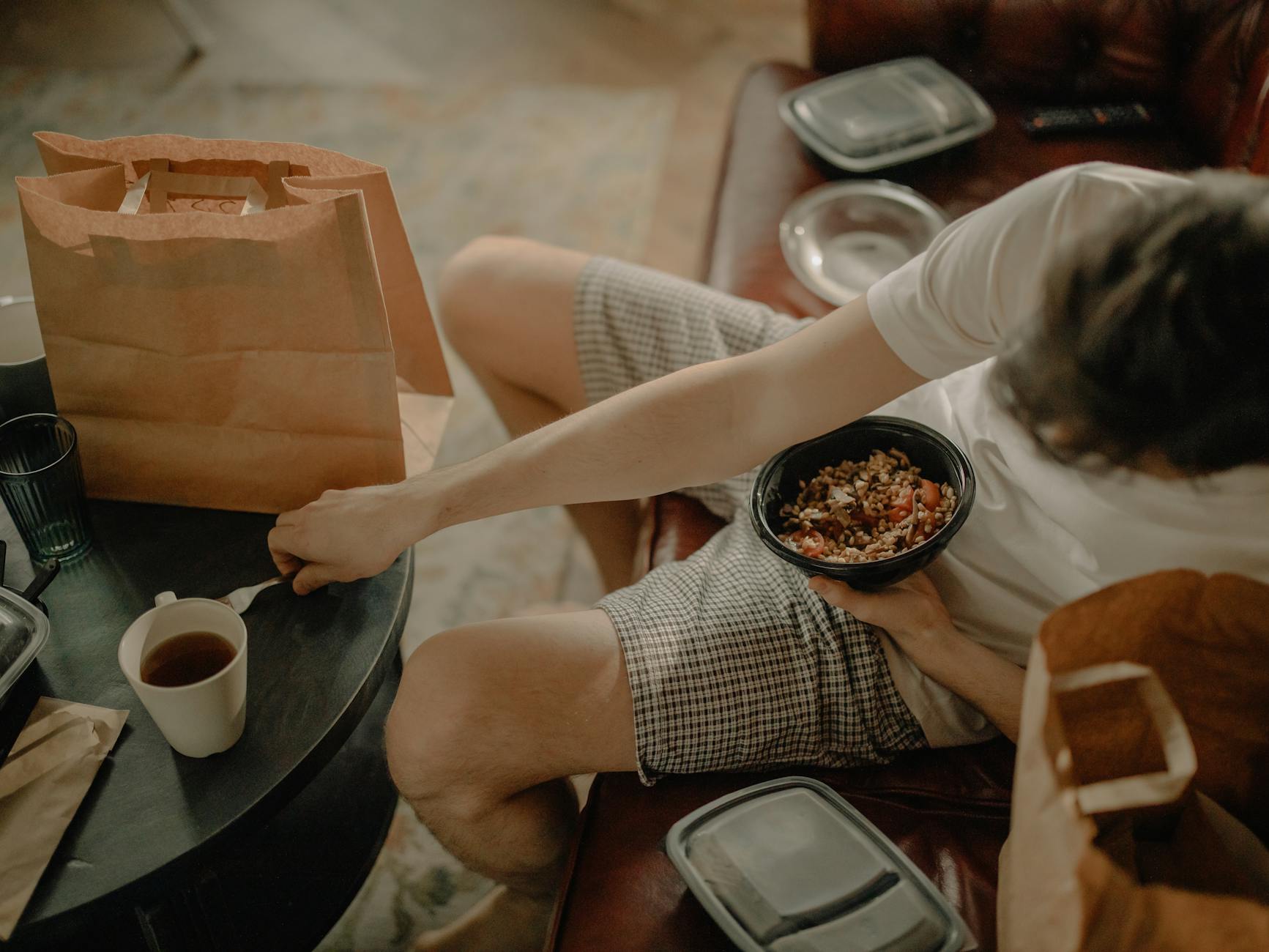
I raised my children, hosted Christmas for twenty-seven years, and kept the whole family connected. Last week I ate dinner alone for the sixth night in a row and realized that being needed and being wanted were never the same thing.
I spent decades building a family life that revolved around my presence, and when that presence was no longer required, I discovered that nobody had ever asked me to stay just because they enjoyed my company.

I built everything I have by never complaining and my kids built everything they have by finally saying out loud what I never could — and I don’t know which of us paid a higher price
While I mastered the art of silent endurance through decades of never complaining, my sons mastered something I never could — actually speaking their truth — and watching them thrive while learning their language at sixty has me questioning everything I thought I knew about strength.

My daughter calls it emotional unavailability and I call it not burdening people — and we have been having that exact argument in different forms for thirty years
After thirty years of the same fight, I finally understood why my daughter kept accusing me of emotional unavailability when I was just trying to protect her from my burdens—until I realized my silence was the heaviest burden of all.

I watched my son spend thousands on therapy to unlearn things I taught him on purpose and I don’t know whether to be angry or relieved that it’s working
A father discovers his carefully crafted life lessons—teaching his son to be tough, self-reliant, and emotionally guarded—have become the exact issues his son is now paying thousands in therapy to unravel.

I thought my kids moved across the country for opportunity and it took me six years to consider that they might have also been moving away from me
The morning I finally admitted that my sons might have fled to opposite coasts not just for better jobs but to escape their overbearing father, I felt the kind of gut punch that only comes from recognizing a truth you’ve spent years avoiding.

Psychologists explain that when a parent consistently responds to their child’s happiness with criticism, withdrawal, or sudden illness, the child doesn’t learn that their parent is unkind. They learn that their own happiness is dangerous. And that lesson takes decades to uninstall.
The child who learns to dim their own joy isn’t broken — they’re brilliantly adapted to a home where happiness had consequences.

Psychology says the boomer parent who keeps bringing up how things were harder in their day isn’t dismissing your struggles. They’re trying to hand you the only coping tool they were ever given, and they genuinely don’t understand why you keep handing it back.
Your boomer parent’s stories about walking uphill both ways aren’t designed to shrink your pain — they’re the only emotional first-aid kit anyone ever packed for them, and understanding that changes everything.

I’m 74 and I’ve accepted that my children love me but don’t actually miss me—and understanding the difference between those two things has been the most clarifying and painful lesson of my seventies
After decades of Sunday dinners and birthday calls, I’ve finally understood why my grown children can go weeks without reaching out while I can barely go a day without thinking of them.

Quote of the day by Maya Angelou: I sustain myself with the love of family—and psychology says this one sentence reveals why boomers who built their identity around family often struggle most when adult children need space
When Maya Angelou’s famous words about family become a psychological trap, an entire generation discovers that loving too hard might be exactly what’s driving their children away.
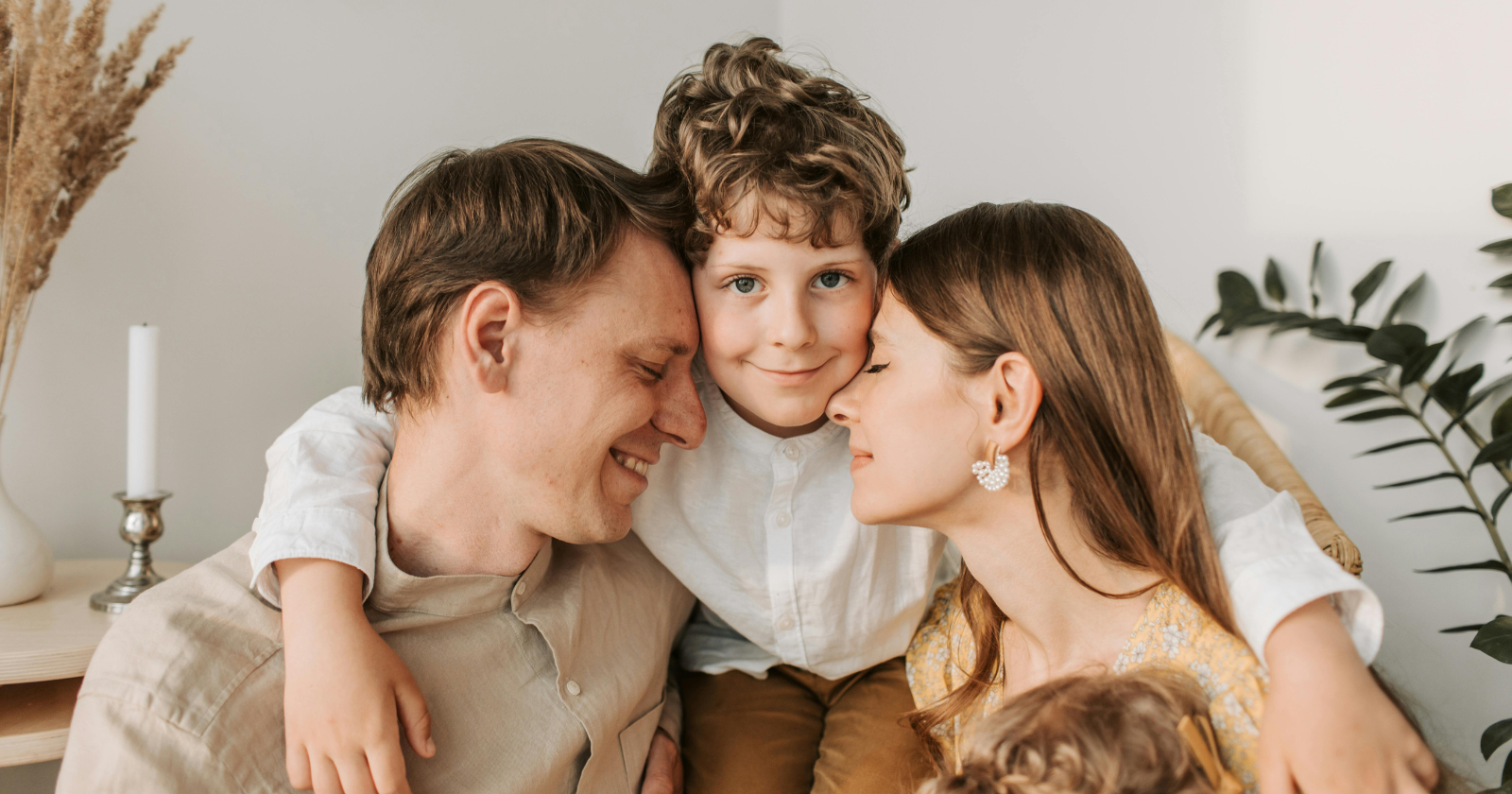
Most boomers don’t realize the reason their adult children parent so differently isn’t rejection of their values—it’s that this generation is parenting with resources of time, therapy, and emotional vocabulary that simply didn’t exist in the 1980s
Today’s parents aren’t rejecting how they were raised—they’re simply the first generation with access to therapy, emotional vocabulary, and time resources that were literally unavailable when their own parents were surviving the chaos of 1980s family life.

African proverb: It takes a village to raise a child—psychology says boomers who raised kids without that village often display these 6 emotional patterns as grandparents that stem from decades of unacknowledged isolation
Decades of raising children without community support left invisible scars on an entire generation, and now psychologists are discovering how those years of isolation are reshaping the way boomers connect—or struggle to connect—with their grandchildren.

I’m 63 and my grandson told me last week that I’m his favorite person to talk to, and I cried in my car afterward because my own son never once said anything like that to me when he was growing up
A grandfather discovers that the listening skills he never mastered with his own children have made him the confidant his grandson treasures most—and the bittersweet realization brings him to tears in a grocery store parking lot.