

Quote of the day by Maya Angelou: I sustain myself with the love of family—and psychology says this one sentence reveals why boomers who built their identity around family often struggle most when adult children need space
When Maya Angelou’s famous words about family become a psychological trap, an entire generation discovers that loving too hard might be exactly what’s driving their children away.
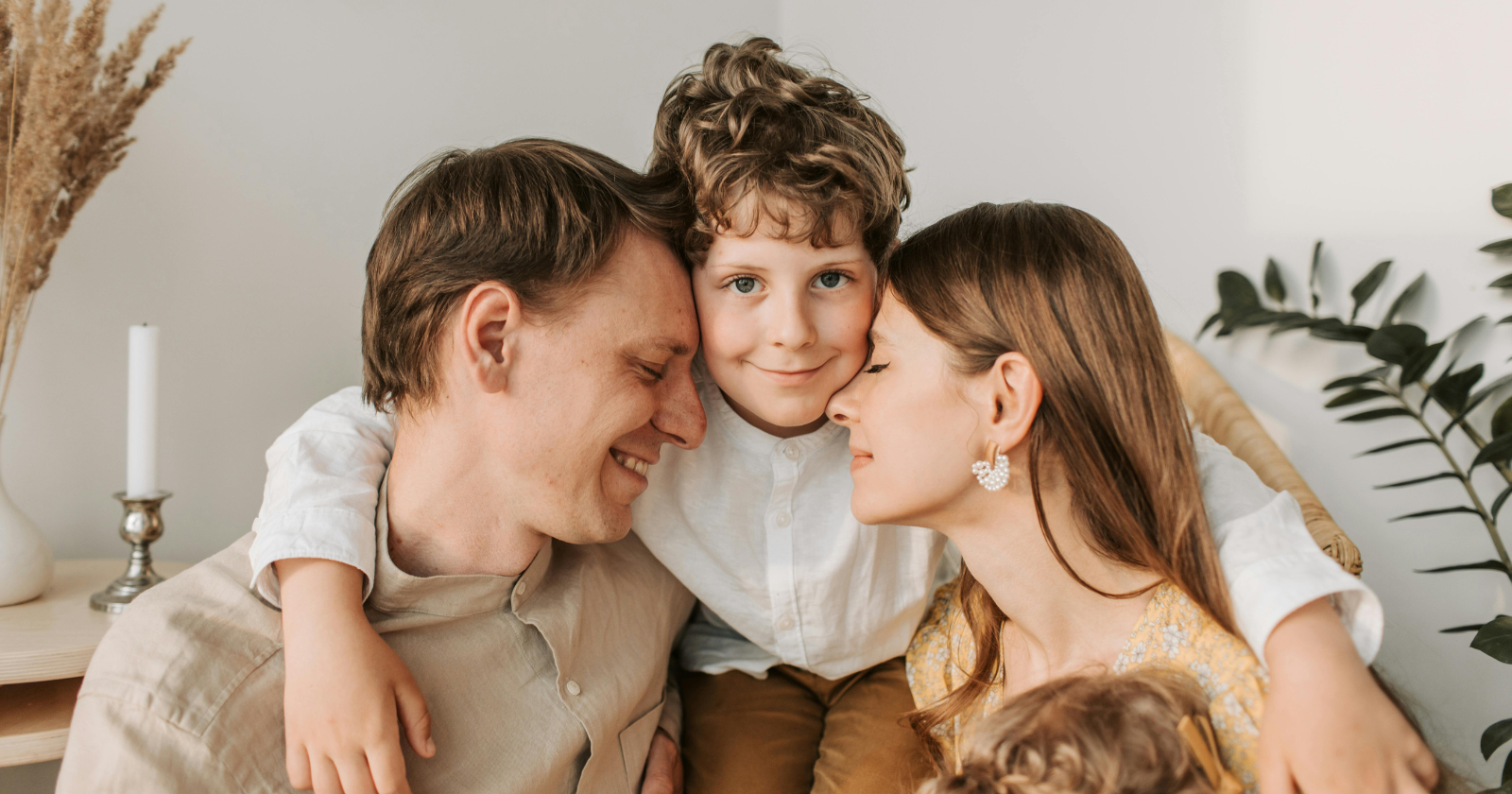
Most boomers don’t realize the reason their adult children parent so differently isn’t rejection of their values—it’s that this generation is parenting with resources of time, therapy, and emotional vocabulary that simply didn’t exist in the 1980s
Today’s parents aren’t rejecting how they were raised—they’re simply the first generation with access to therapy, emotional vocabulary, and time resources that were literally unavailable when their own parents were surviving the chaos of 1980s family life.
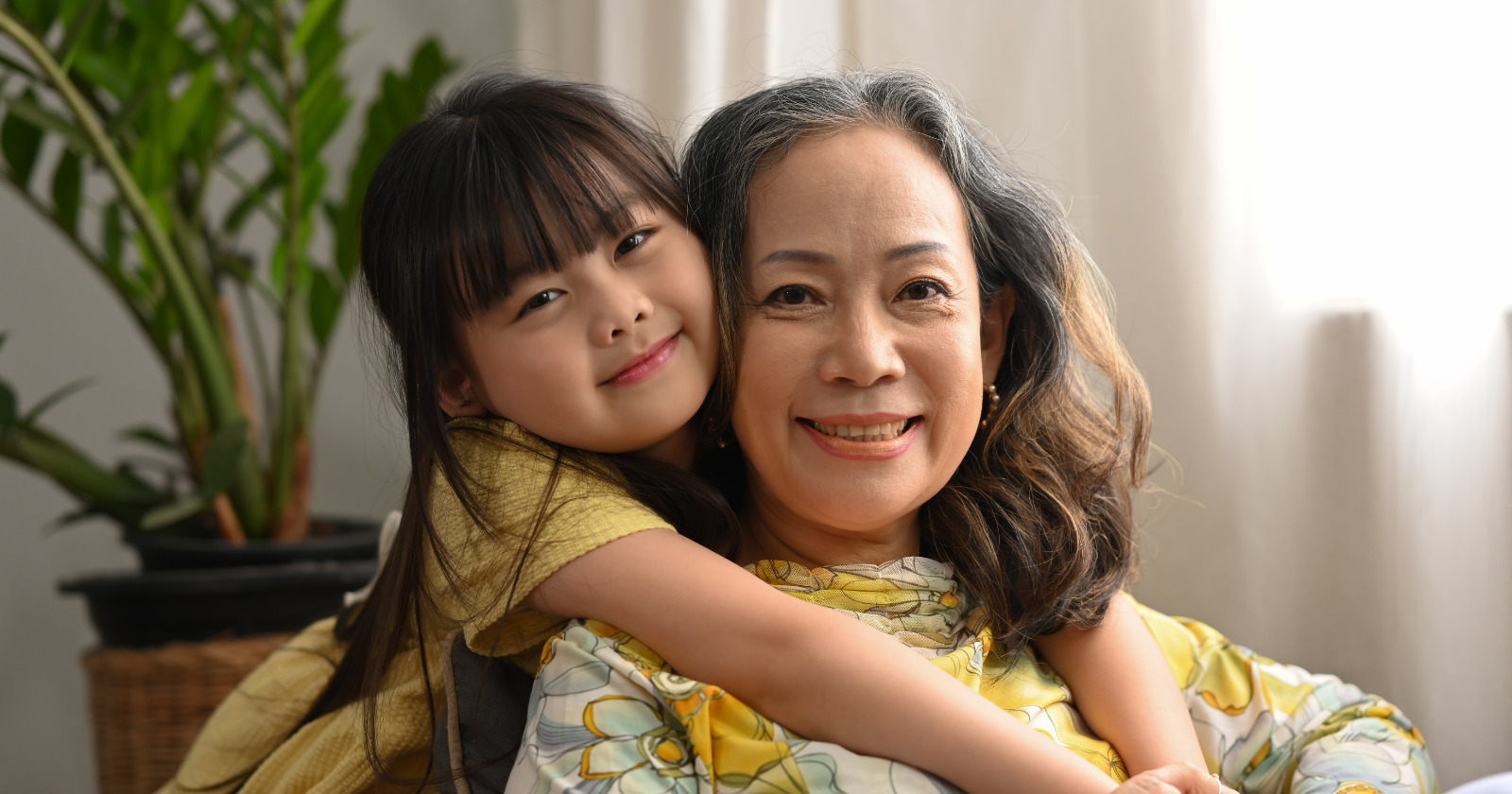
African proverb: It takes a village to raise a child—psychology says boomers who raised kids without that village often display these 6 emotional patterns as grandparents that stem from decades of unacknowledged isolation
Decades of raising children without community support left invisible scars on an entire generation, and now psychologists are discovering how those years of isolation are reshaping the way boomers connect—or struggle to connect—with their grandchildren.

I’m 63 and my grandson told me last week that I’m his favorite person to talk to, and I cried in my car afterward because my own son never once said anything like that to me when he was growing up
A grandfather discovers that the listening skills he never mastered with his own children have made him the confidant his grandson treasures most—and the bittersweet realization brings him to tears in a grocery store parking lot.

Most grandparents over 65 don’t realize the one thing that makes grandkids actually want to spend time with them isn’t gifts or activities—it’s something psychology says most boomers were never taught how to offer
While modern grandparents exhaust themselves planning elaborate outings and buying endless gifts, research reveals they’re missing the one simple thing their generation was systematically trained to suppress — and it’s precisely what makes grandchildren genuinely excited to visit.

Children who grew up hearing “we don’t air our dirty laundry” became adults who can describe everyone else’s pain in perfect detail but go completely silent when someone asks them what’s wrong
They become emotional detectives who can diagnose everyone else’s pain with surgical precision while their own struggles remain locked away in a vault they’ve forgotten how to open.

Psychology says the fear of losing your mind is often more damaging than the actual cognitive decline—and most older adults are living inside that fear completely alone
The silent epidemic of cognitive anxiety is consuming millions of older adults who check their memory fifty times a day, turning every forgotten name into a death sentence, while research reveals this very fear is destroying more brain cells than aging ever could.

You know the pattern has passed when your daughter says “I’m fine, I don’t need help” in the exact tone you used for 30 years — and hearing it from someone you love is the first time you realize how lonely it sounded all along
The moment your own words echo back from your child’s mouth is when you finally hear how they’ve sounded to everyone who ever loved you enough to ask if you were okay.

Children who grew up translating for their immigrant parents often carry these 8 complex emotional patterns into adulthood — including a heightened sense of responsibility that therapy describes as ‘parentification trauma’
From navigating doctor’s appointments at age seven to decoding government documents before learning cursive, these childhood interpreters developed survival skills that now manifest as an exhausting cocktail of perfectionism, boundary issues, and the peculiar burden of being too mature while secretly craving the carefree youth they never had.

Parents who stayed together ‘for the kids’ often don’t realize the impact until their children are adults — and psychologists say these 9 relationship patterns in those adult children reveal what really got internalized
Children who grew up watching their parents endure an unhappy marriage “for their sake” often discover decades later that they’ve been unconsciously recreating those same dysfunctional patterns in every relationship they’ve ever had.

Nobody talks about why the grandmother who insists on cooking for everyone isn’t controlling the kitchen — she’s controlling the one thing in her life that still guarantees everyone sits in the same room at the same time
When she rearranges your spice drawer and insists on making dinner from scratch despite your protests, she’s not trying to control your kitchen — she’s desperately preserving the last reliable way to gather everyone she loves in one room before it’s too late.
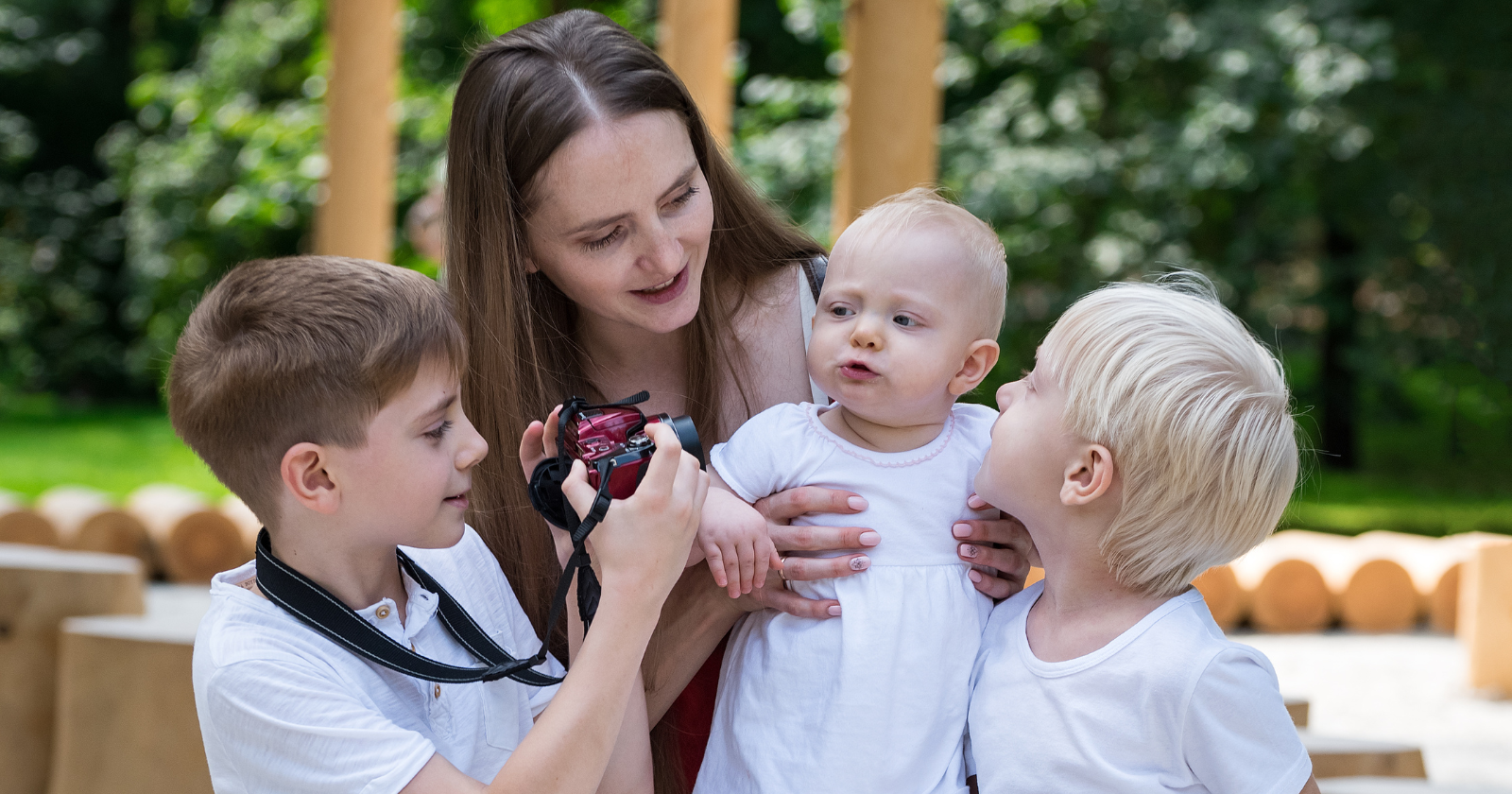
I raised three children and I was a different parent to each one — the first got my anxiety, the second got my overcorrection, and the third got the version I wish all of them had known
Looking back at my three kids now grown, I realize they each got a completely different father — not because I loved them differently, but because I was frantically evolving through my mistakes with each one.