

Adult children of parents who weren’t wealthy but were emotionally present share these 9 specific memories — and the pattern reveals something beautiful about what actually creates secure attachment
While expensive toys and lavish vacations filled other kids’ childhoods, those of us raised by parents with limited money but unlimited emotional availability carry a different treasure—nine simple, powerful memories that psychologists now recognize as the blueprint for lifelong emotional security.

Psychology says what children carry into adulthood isn’t whether their parents were strict or permissive, successful or struggling — it’s whether they felt like their existence brought their parents joy or burden
The moment a therapist asked whether I felt like a joy or burden to my parents, I broke down sobbing—and suddenly understood why I’ve spent thirty years apologizing for existing.
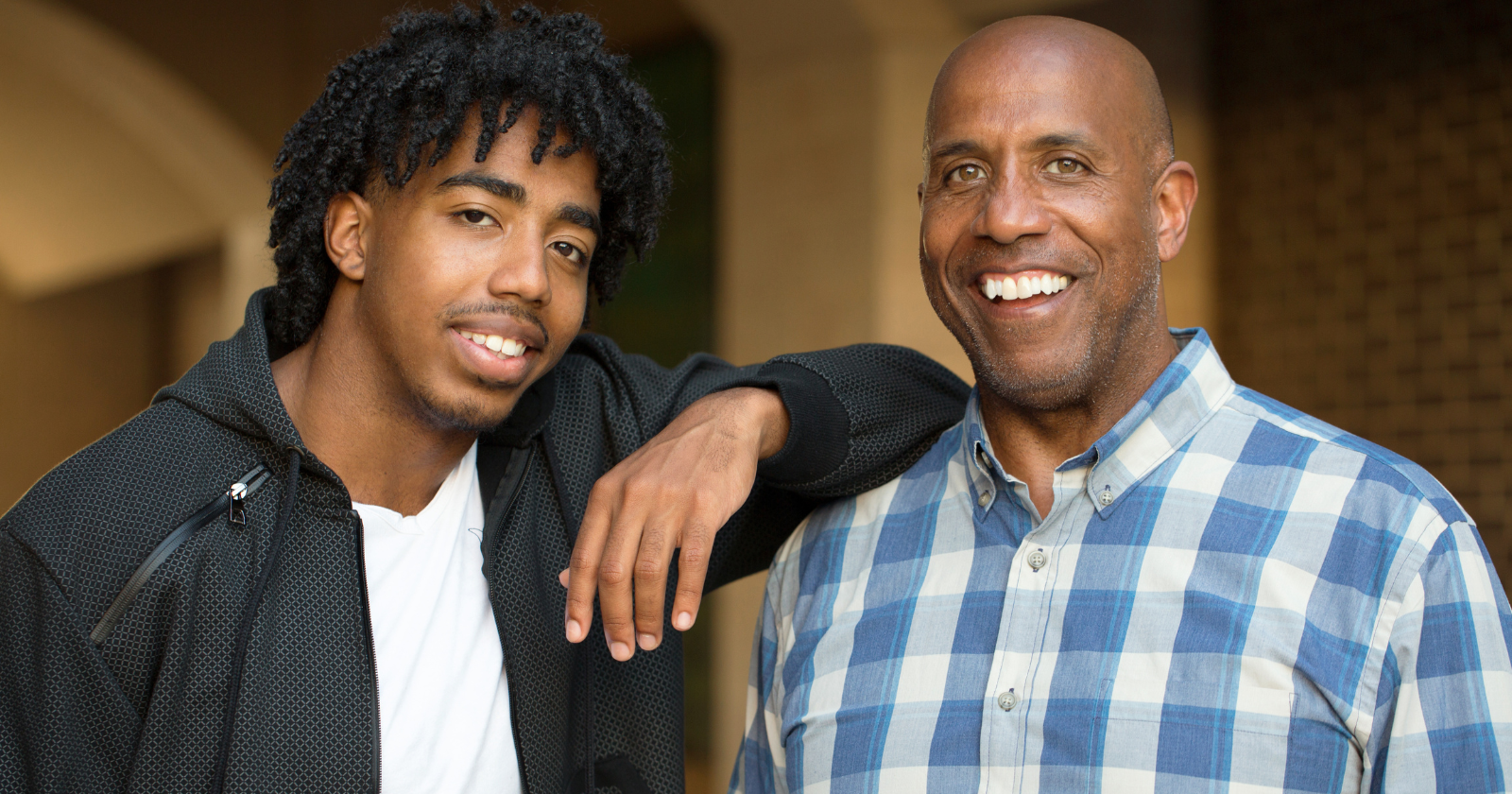
I’m 63 and my son told me last week that his favorite childhood memory wasn’t our expensive Disney trips or the new bikes I worked overtime to buy — it was the Thursday nights I’d let him stay up late and we’d eat cereal together in silence watching whatever was on TV
After decades of working overtime to fund Disney vacations and expensive gifts, I discovered my grown son’s most cherished childhood memory was something that cost me nothing but a bowl of cereal and staying up past his bedtime.

There is a specific kind of exhaustion that belongs to children who learned to read their mother’s face before entering a room, adjusting their energy, their news, and their volume to whatever frequency would keep her stable. They’ve been doing it so long most don’t realize it’s not a personality trait. It’s a survival skill.
That bone-deep tiredness you carry into every room, the one no amount of sleep touches — it started the first time you learned to read someone’s mood before you read a book.
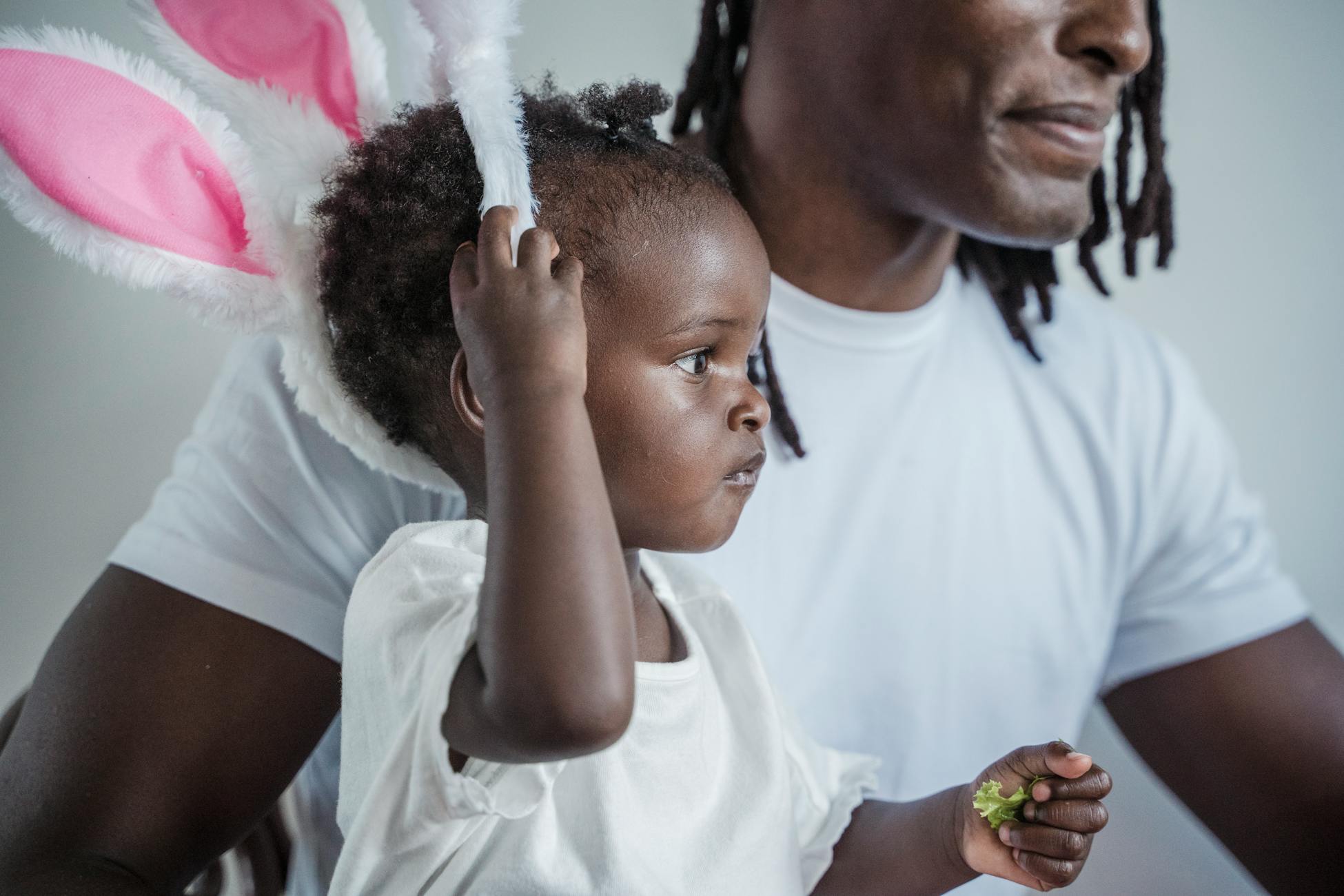
The boomer parent who raised four kids without a parenting book, a therapist, or a single conversation about emotional regulation didn’t fail. They operated inside a system that measured love in presence and provision and never once asked whether anyone felt understood.
The boomer parent who said ‘stop crying or I’ll give you something to cry about’ wasn’t failing at love — they were fluent in the only language their own parents ever spoke.

There’s a woman in every family who knows where the birth certificates are, which kid is allergic to what, when the car insurance renews, and what her mother-in-law said at Christmas in 2014 — and there is no job title for what she does and no retirement from it
She carries the weight of a thousand tiny details that keep her family’s world from falling apart, yet no one sees the invisible threads she weaves between doctor’s appointments, permission slips, and the precise way each sandwich must be cut.

The most dangerous sentence in the English language isn’t a threat — it’s “I don’t want to be a burden” spoken by a 75-year-old parent who just decided in that moment to stop telling their children what they actually need
This simple phrase marks the exact moment when the people who once carried us through every scraped knee and nightmare suddenly decide their own struggles no longer deserve the same care they gave so freely.

The first time you lie to protect your parent instead of the other way around is a door that opens in one direction — and the 8 things that change in a family after that reversal are invisible to everyone except the person who walked through it
The lie slipped out so easily—telling your mother why dad was late, protecting his secret medical visits—that you don’t realize until the words are already spoken that you’ve become your parents’ guardian instead of their child.
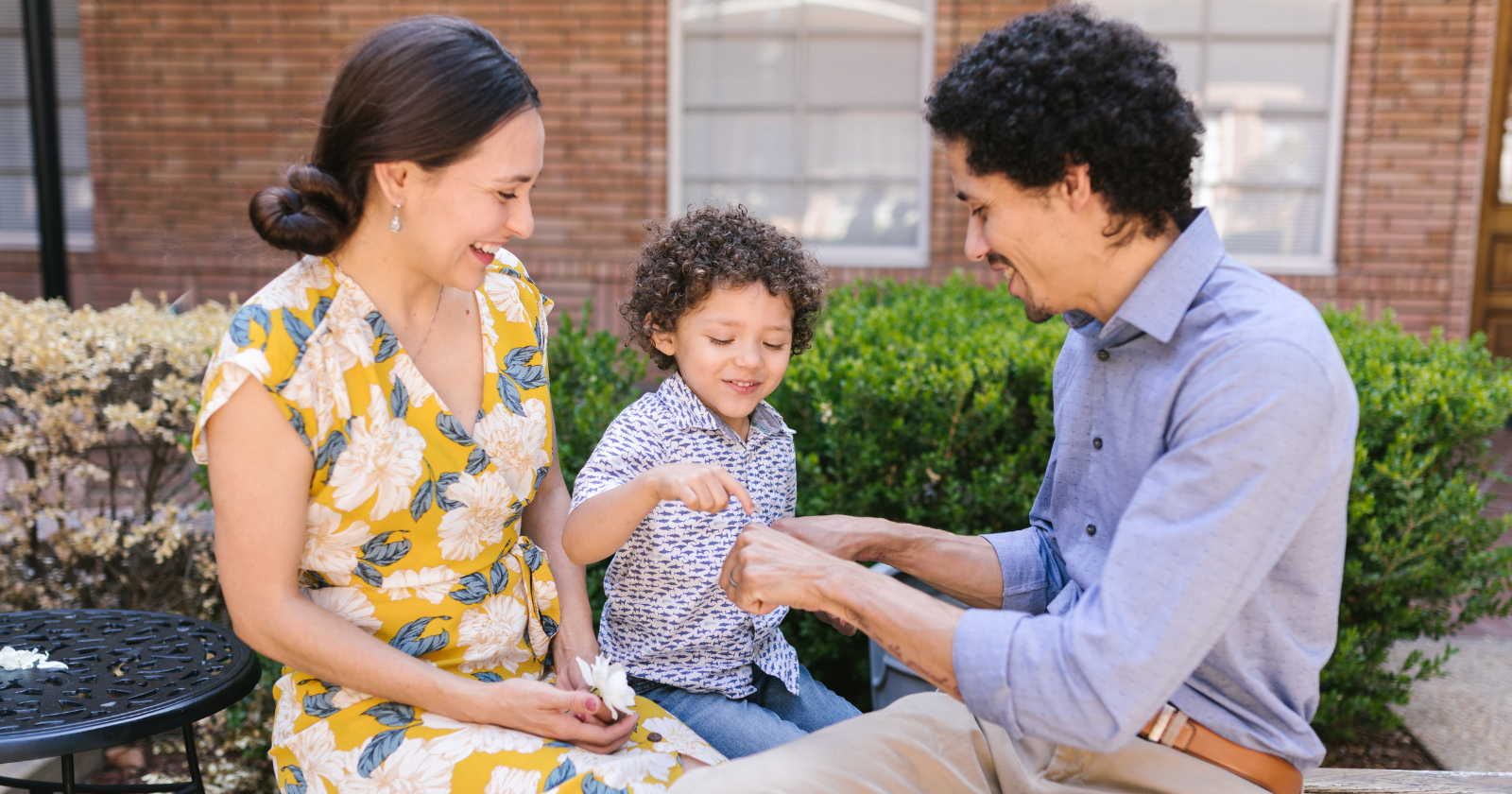
The most important thing my kids will remember about their childhood has nothing to do with how clean the house was or how many activities they did
Years from now, your children won’t recall the spotless floors or the color-coded toy bins—they’ll remember whether you chose to fold the laundry or accepted their invitation to a teddy bear tea party.

The 4 most expensive words in any family aren’t “we need to talk” — they’re “I already knew that” said by an adult child who watched a problem develop for years and never intervened because their parent never asked and they were raised to believe not asking meant not needing
When a father discovered his adult son had watched him struggle for years without speaking up — not from indifference, but because he’d been raised to believe that not being asked meant help wasn’t wanted — it shattered everything he thought he knew about their relationship.
You will never be as young as your parents remember you or as old as your children think you are — and the person trapped between those two versions is the one nobody in your family has ever actually met
The gap between who your mother still sees when she looks at you and who your children assume you’ve always been is where your actual self lives—unseen, undefined, and more real than either version will ever know.

Kindergarten teachers say they can predict which children will struggle socially by age 10 based on one behavior in the first week — and it has nothing to do with sharing
While most parents worry about sharing and following rules, veteran kindergarten teachers zero in on something far more telling: whether a five-year-old can simply exist near other children without completely falling apart.