
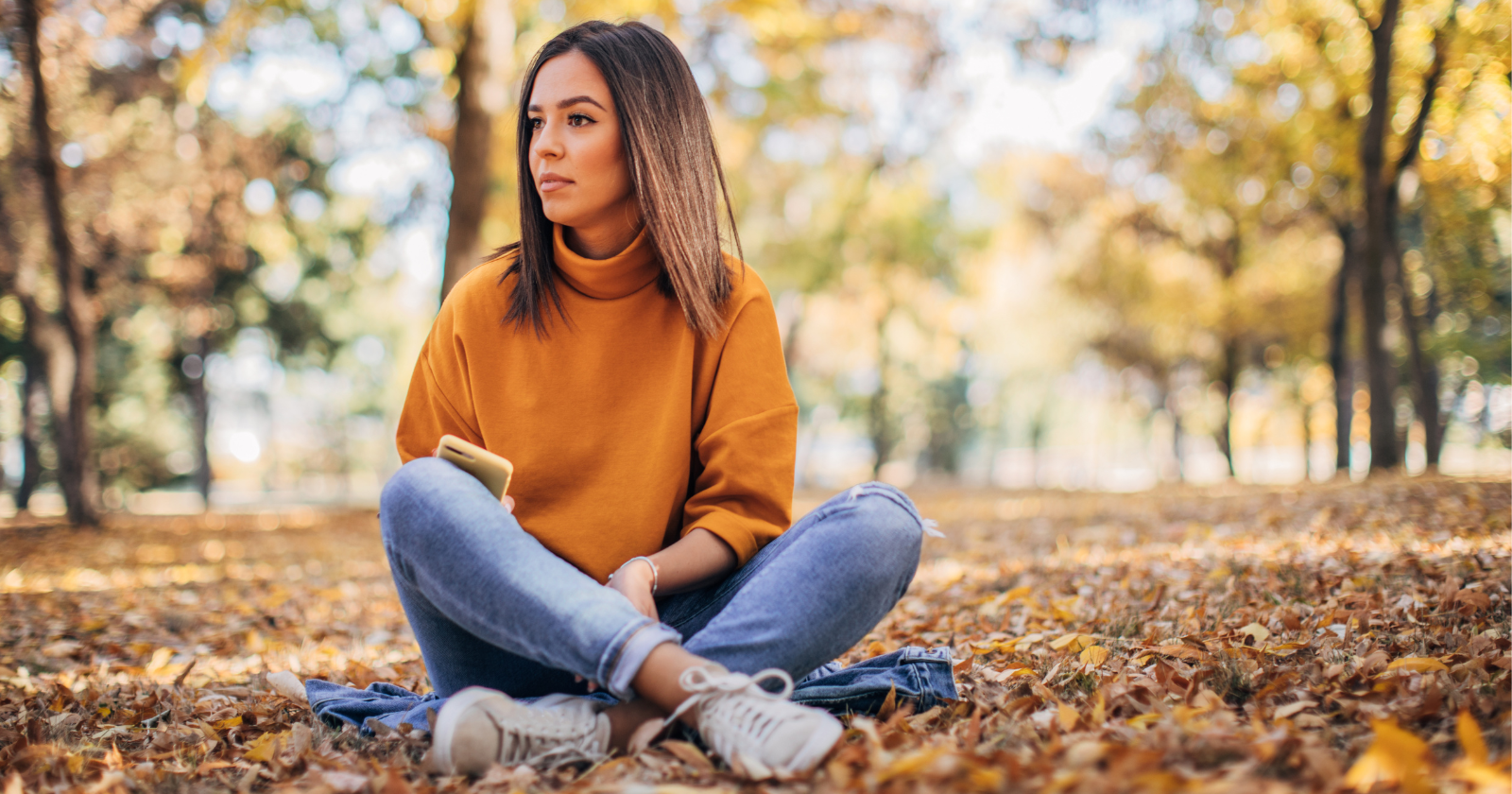
Behavioral scientists found that people who have acquaintances but no deep friendships aren’t failing socially — they’re often protecting a version of themselves they learned early on wasn’t safe to share
While you might assume these people are socially awkward or “not trying hard enough,” behavioral science reveals they’re actually using sophisticated self-protection strategies developed from early experiences where being emotionally open felt unsafe—and breaking this pattern requires understanding it’s not a character flaw, but an outdated survival mechanism.
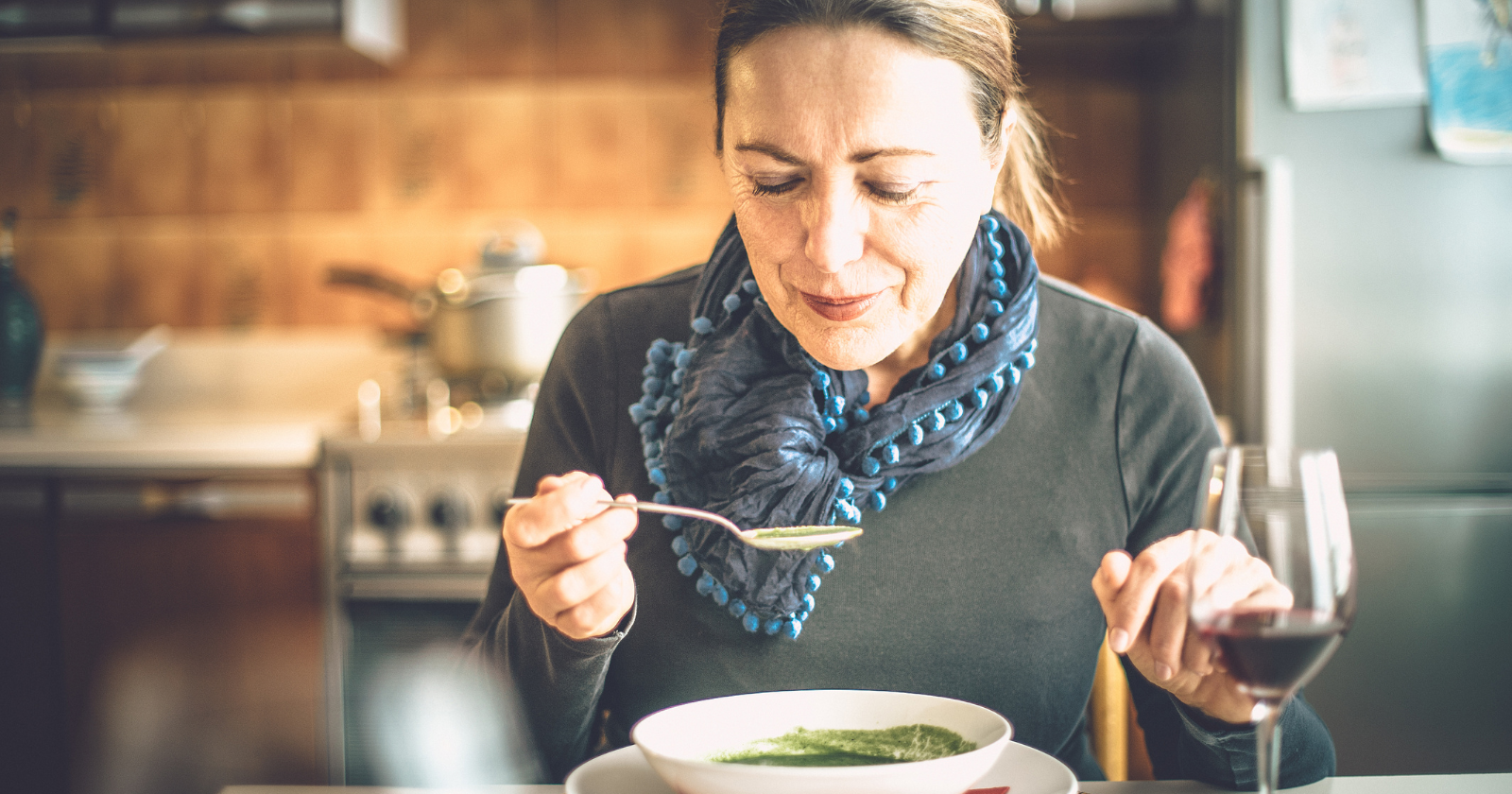
I’m 34 and I caught my mother talking to her plants, reorganizing drawers at midnight, and eating dinner at 4pm — and behavioral scientists say these aren’t quirks, they’re what freedom looks like after decades of performing parenthood
When I discovered my 62-year-old mother deep in conversation with her houseplants and reorganizing closets by moonlight, I realized these weren’t signs of empty nest syndrome—they were glimpses of the person she’d been hiding for 30 years while performing the exhausting role of the “perfect mother.”
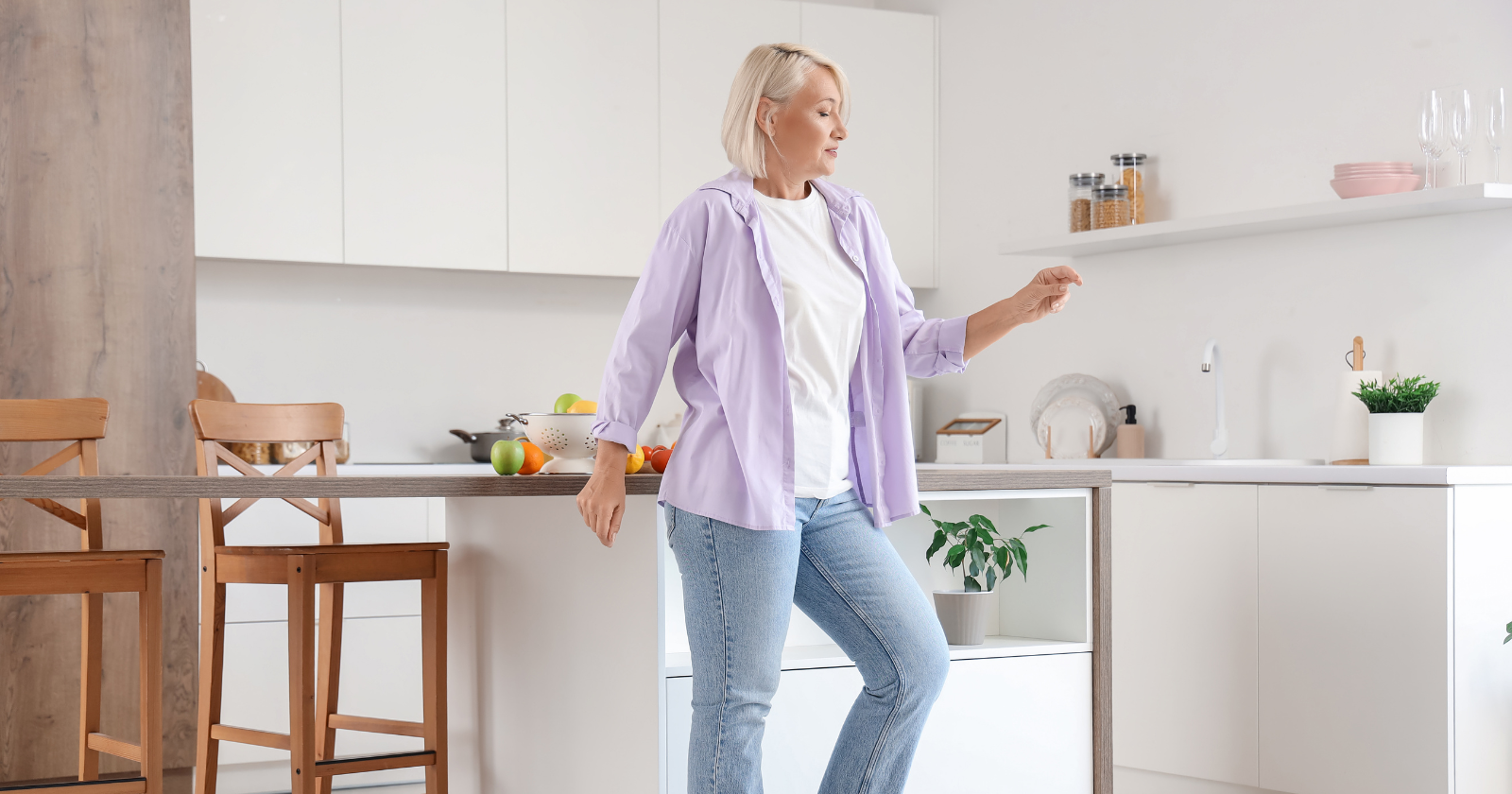
Behavioral scientists found that the rituals adult children discover their parents doing alone aren’t eccentric — they’re the personalities that were quietly suppressed for twenty years of raising you
When researchers studied those peculiar habits parents develop once their kids leave home — the midnight pottery sessions, the sudden salsa dancing, the model train obsessions — they discovered these weren’t new midlife hobbies at all, but fragments of who these people were before spending two decades making sure no one ate paste or set the house on fire.
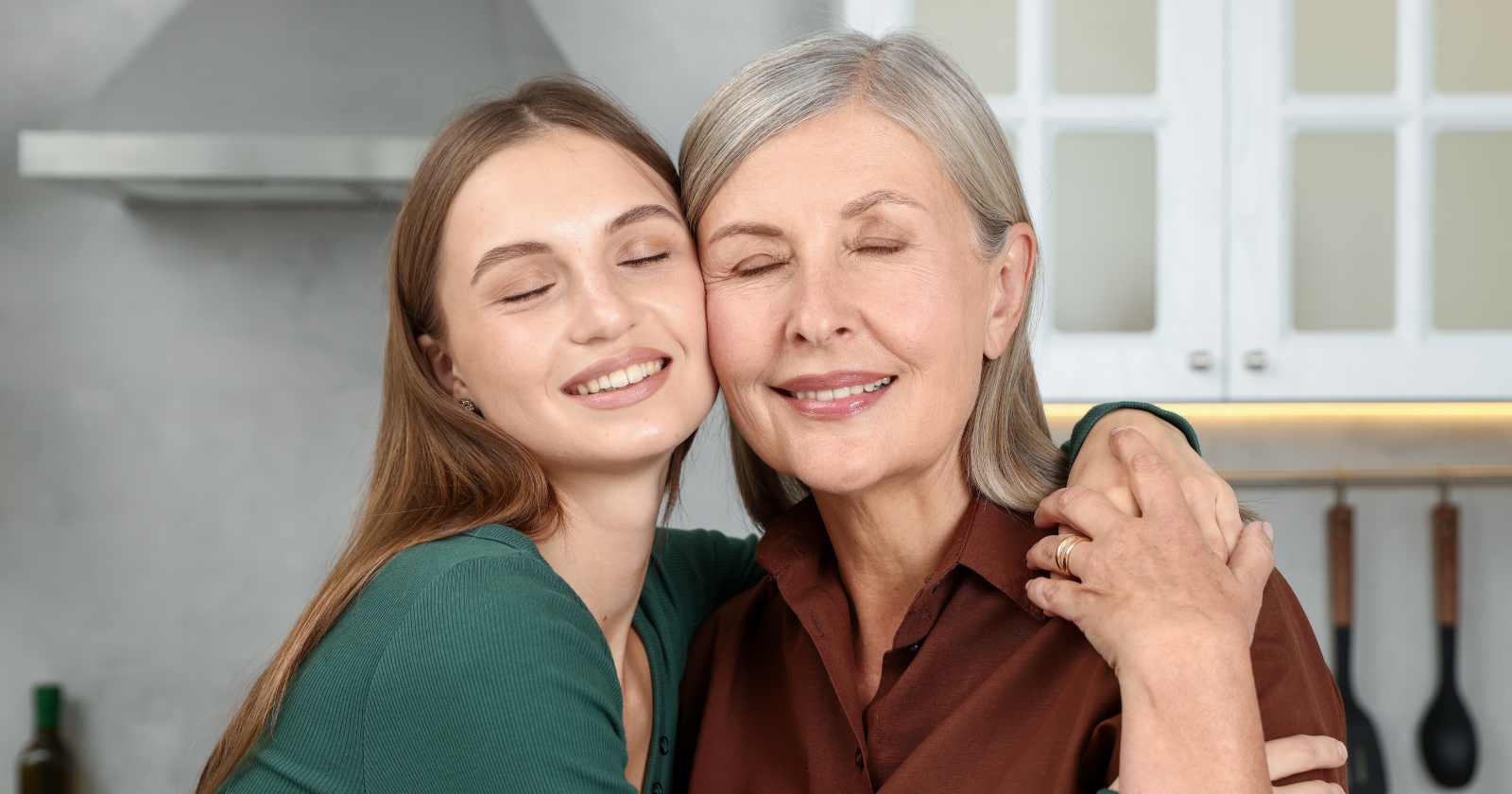
9 signs you were raised by a parent who loved you but didn’t know how to show it
Despite never hearing “I love you,” you might have been deeply cherished by a parent who spoke only in packed lunches, worried reminders, and silent presence at every school event—a love that left you questioning if it was ever really there at all.
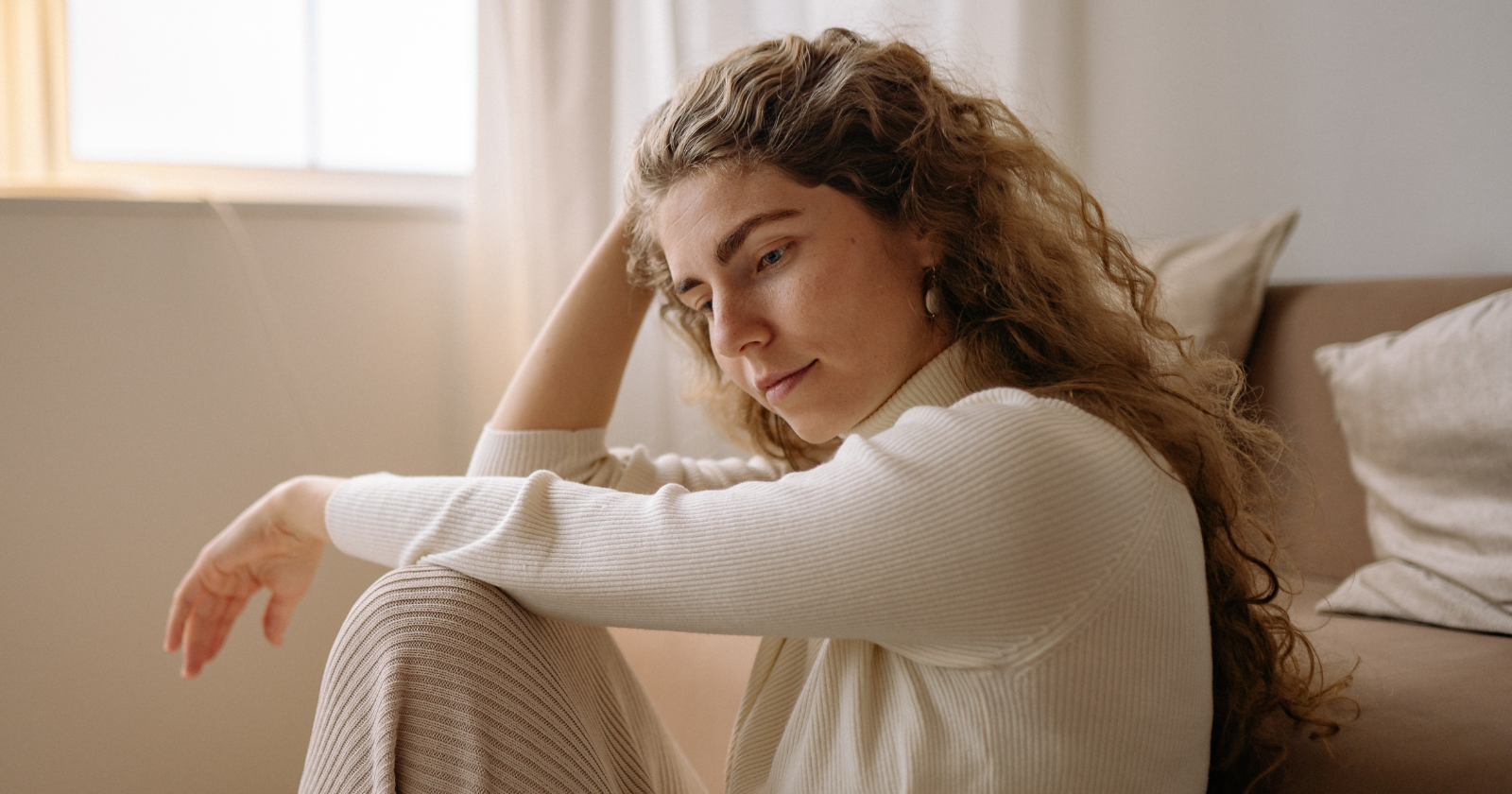
Psychology says people who were raised by emotionally unavailable parents don’t just struggle with relationships—they struggle with believing they’re worth one and that belief doesn’t surface as insecurity, it surfaces as over-giving, because somewhere before the age of ten they decided the only way to keep people close was to make leaving too expensive
The moment you realize your exhausting pattern of over-giving isn’t generosity but a survival strategy you developed as a child — one that whispers you must make yourself too valuable to abandon — is the moment everything about your relationships finally makes sense.

Psychology says the reason you feel exhausted after talking to certain family members isn’t drama — your body just spent two hours regulating itself around someone it doesn’t feel safe with and that regulation is invisible and expensive and the crash that hits you in the car on the way home is the bill for every honest sentence you didn’t say
Your nervous system has been running a secret marathon, burning through energy reserves to keep you “safe” around people who never learned how to make you feel like you could breathe freely in their presence.

I’m 63 and my best friend died in October and nobody in my life understands why I’m still not over it because he wasn’t family but he was the only person on earth who knew me at nineteen and without him there is no living witness to the version of myself I liked the most
When everyone around you treats your grief like it has an expiration date, you realize that losing your best friend of forty years means mourning not just a person, but the only witness to the version of yourself you’ll never be again.
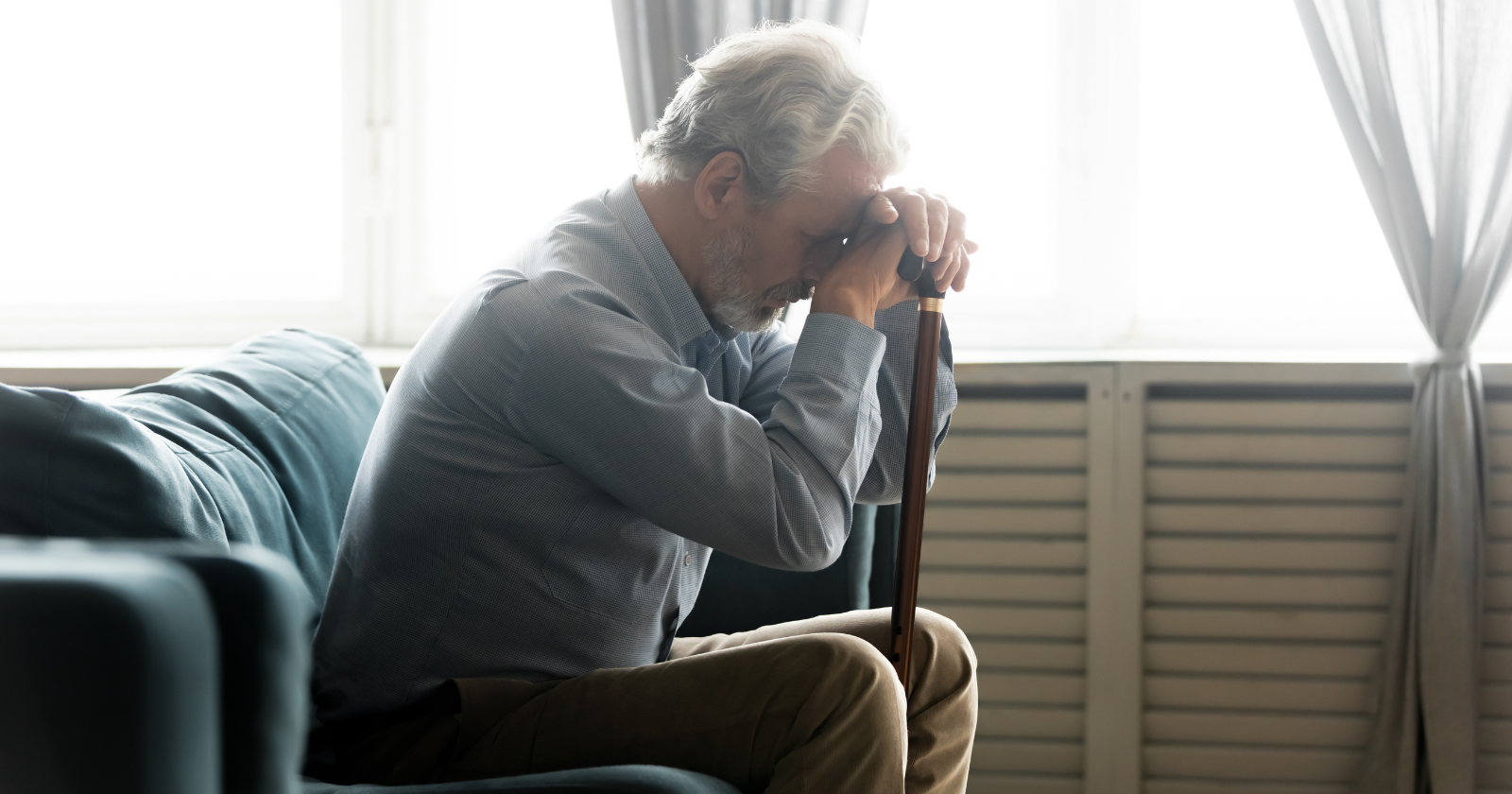
The loneliest parents aren’t the ones whose kids moved far away — they’re the ones whose kids live ten minutes down the road but only show up when they need free childcare or a loan
After years of watching families navigate adult relationships, I’ve discovered that the parents who see their children every week for babysitting duties often feel more abandoned than those whose kids call lovingly from across the country.

Psychology says the reason boomer parents struggle with boundaries isn’t control — it’s that they raised their kids during the first era where parenting became a performance evaluated by everyone except the child
They spent decades proving their worth as parents to everyone watching—neighbors, doctors, teachers—and now they can’t stop performing, even for their adult children who never asked for the show.

If an aging parent suddenly stops offering advice or help to their adult children, something far more significant than hurt feelings is happening — and these 9 signs reveal what they’re actually processing
The silence from your aging parent isn’t withdrawal or indifference — it’s a profound psychological shift that happens when decades of parenting instincts collide with mortality, changing roles, and the bittersweet recognition that their children no longer need them in the same way.

Psychology says people who weren’t genuinely loved as children but were provided for materially often display these 8 subtle patterns in adulthood that most people mistake for confidence
Behind their polished exterior and impressive achievements lies a hidden truth: those who received material comfort but not genuine love as children often develop survival patterns that everyone mistakes for unshakeable confidence.
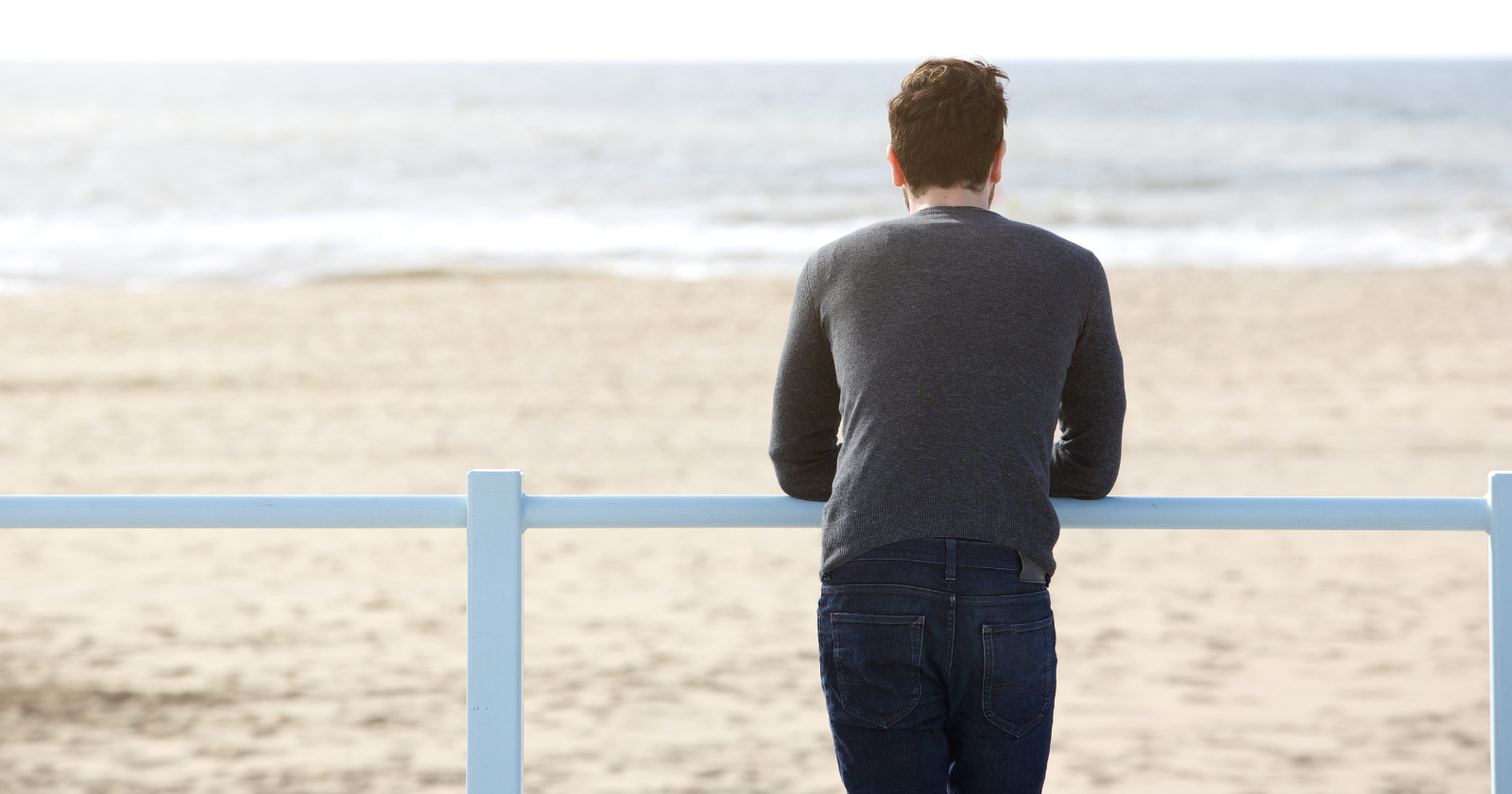
Psychology says people who prefer solitude over constant socializing aren’t avoiding people — they’re protecting an inner world that most social interaction costs more than it contributes to and the quiet they choose isn’t empty, it’s the only environment where their real thoughts have enough room to finish becoming something worth saying
In a world that glorifies constant connection, those who choose solitude aren’t missing out on life — they’re the ones who’ve discovered that real thoughts, like seeds, need quiet soil to grow into something extraordinary.