

Why children teach us more about presence than any meditation retreat
She knows when you’re mentally writing emails during playtime, and unlike your meditation app, she’s not afraid to call you out on it—loudly.

People who have acquaintances but no deep friendships may not be failing socially — they’re often protecting a version of themselves they learned early was not safe to share
While you might assume these people are socially awkward or “not trying hard enough,” behavioral science reveals they’re actually using sophisticated self-protection strategies developed from early experiences where being emotionally open felt unsafe—and breaking this pattern requires understanding it’s not a character flaw, but an outdated survival mechanism.

People who prefer solitude over constant socializing may not be avoiding people — they may be protecting an inner world that social interaction can cost more than it contributes to
In a world that glorifies constant connection, those who choose solitude aren’t missing out on life — they’re the ones who’ve discovered that real thoughts, like seeds, need quiet soil to grow into something extraordinary.

Children who were allowed to argue with their parents — respectfully — become adults who can advocate for themselves in rooms full of people who outrank them
Those childhood dinner table debates where you passionately argued your case weren’t just annoying your parents — they were secretly training you to become the kind of adult who can walk into a boardroom full of executives and confidently say, “I think we’re approaching this wrong.”
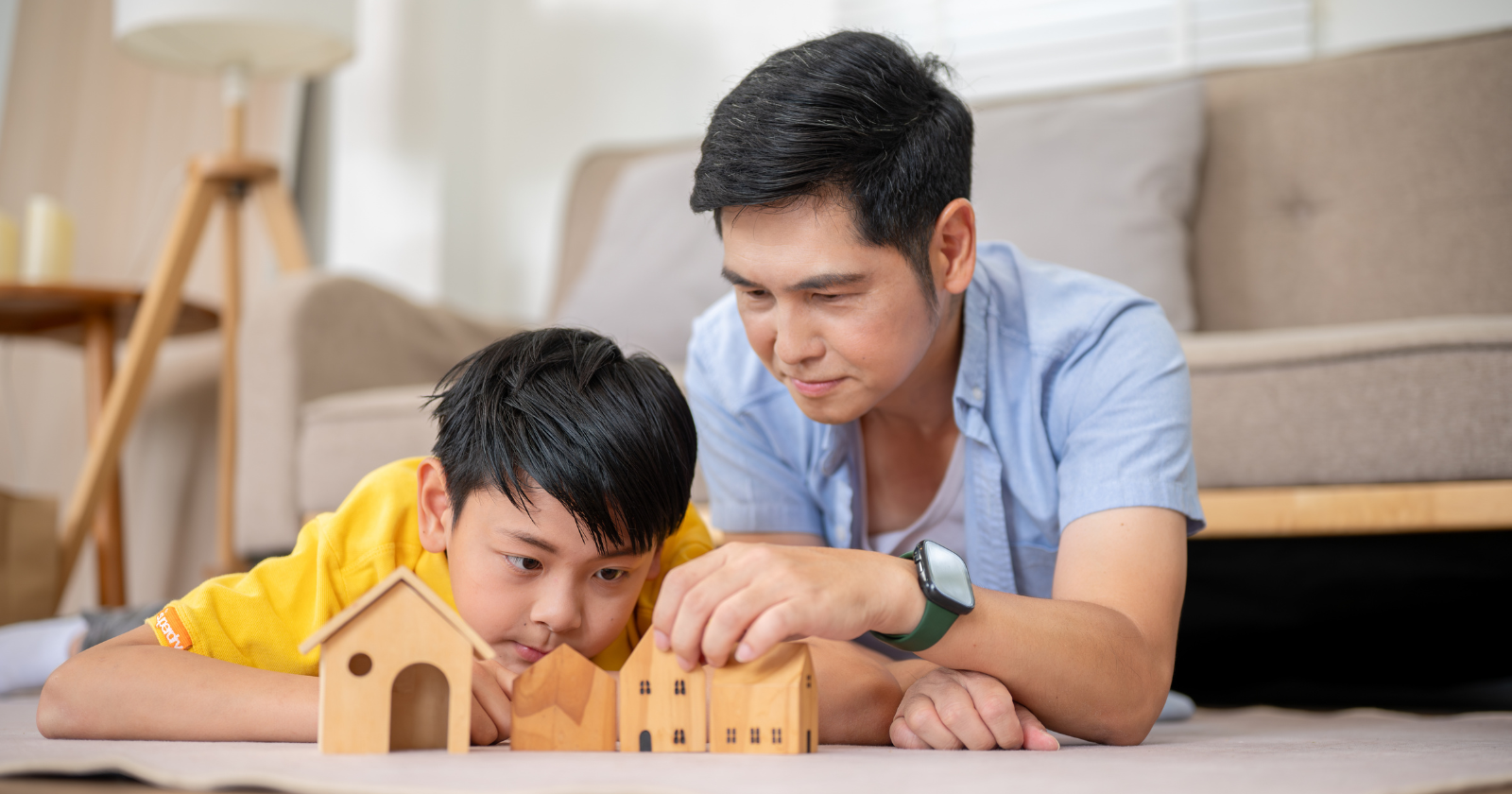
Children who are told “you’re so smart” instead of “you worked really hard” develop a completely different relationship with failure — and it follows them into every job and relationship they’ll ever have
Discover how three innocent words from your parents may have programmed you for a lifetime of anxiety, perfectionism, and fear of failure that sabotages every career move and relationship you touch.

People who grew up watching their parents genuinely enjoy each other develop these 8 relationship traits
While children from conflict-heavy homes often spend decades in therapy learning basic relationship skills, those who grew up watching their parents steal kisses while cooking dinner and turn grocery runs into dates absorbed these crucial lessons without even realizing it.

Few people talk about why the most generous person in any family is often the one who grew up with the least — and the connection between scarcity and giving can run deeper than many people expect
Growing up with empty pockets teaches you to recognize the weight of need in others’ eyes — a recognition that transforms scarcity’s survivors into the most unexpectedly generous givers, while those raised in abundance often can’t see past their own full hands.

The father who let his son cry instead of saying “man up” gave him something most men spend decades trying to find
While generations of men struggle to undo the damage of being told to “stop crying” as boys, one father’s simple act of sitting with his son’s tears instead of shutting them down gave him the very thing most men pay thousands in therapy to find decades later.
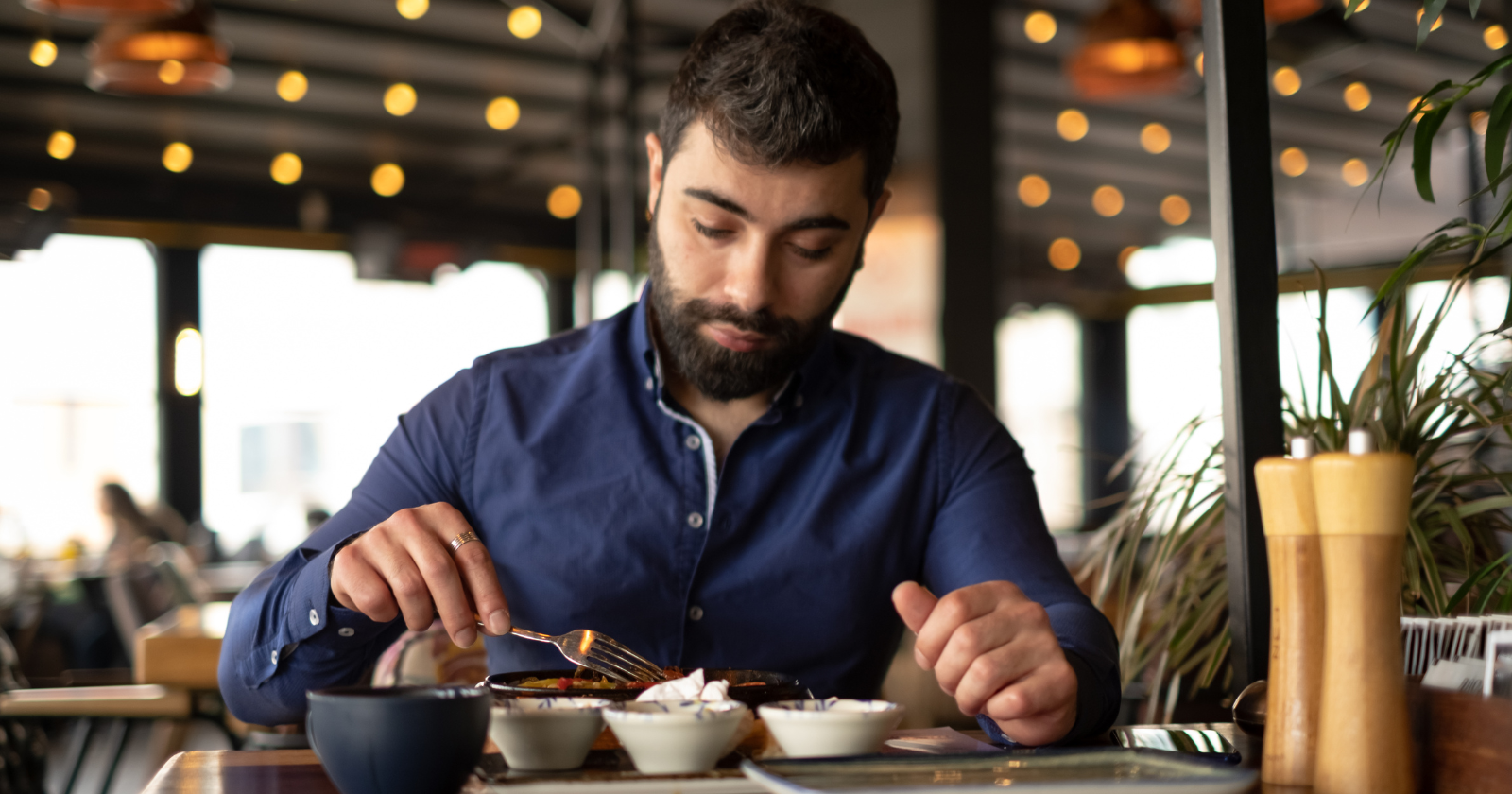
Before you judge someone for eating alone at a restaurant, they possess 7 strengths you probably wish you had
While you might see solitude as a sign of loneliness, psychology reveals that people who confidently dine alone possess rare psychological strengths—from unshakeable self-confidence to exceptional emotional intelligence—that most of us are still struggling to develop.

If you can remember the moment you realized your parents were just people, you may have reached a level of emotional maturity many adults do not arrive at
The moment your invincible protectors transform into exhausted humans juggling bills and double shifts is the moment psychologists say you’ve crossed a threshold most people spend their entire lives avoiding.

The “tough love” approach many parents used decades ago actually built these 8 psychological advantages
While modern parenting has swung toward gentler approaches, groundbreaking psychological research reveals that those who grew up with firm boundaries and high expectations developed surprising mental advantages that today’s coddled kids might be missing out on.

If someone has a high class personality, they’ll usually display these 7 subtle habits in public
Here’s something I’ve noticed over the years: true class has almost nothing to do with money. I’ve met people who drive luxury cars and live