


A psychologist says the reason some aging parents feel increasingly invisible isn’t because their children are selfish—it’s because modern life is structured around productivity and noise, and the quiet wisdom that comes with age has no currency in a culture that worships youth
As her adult children rush past her stories like highway drivers speeding by scenic overlooks, she’s discovered that the painful invisibility of aging isn’t personal rejection—it’s what happens when a society built on bullet points and productivity metrics has no space left for the slow-burning wisdom that only comes from living through multiple decades.

The loneliest part of parenting isn’t the sleepless nights or the terrible twos—it’s these 7 moments that happen after your kids grow up that nobody warns you about
From teaching kindergarteners to raising her own, she thought she’d mastered every parenting challenge—until she discovered that the real heartbreak begins when sticky fingerprints fade from the windows and “Mommy, watch this!” becomes a memory echoing through an impossibly quiet house.

Psychologists explain why the loneliest phase of parenting isn’t the newborn stage or the teenage years—it’s watching your adult children build lives that don’t need you while everyone around you pretends this transition feels natural
While society celebrates empty nesters finally having “me time,” no one prepares you for the crushing realization that your adult children’s thriving independence—the very thing you worked decades to achieve—can feel like being written out of your own life story.

Psychology says what predicts whether adult children maintain close relationships with aging parents isn’t how well the parents provided—it’s whether the children ever felt like an inconvenience, and that feeling gets established in thousands of tiny moments, not in the big parenting decisions
A daughter’s decision to meet her elderly father for coffee hinges not on the inheritance he’ll leave behind, but on whether she felt welcome interrupting his newspaper thirty years ago when she skinned her knee.
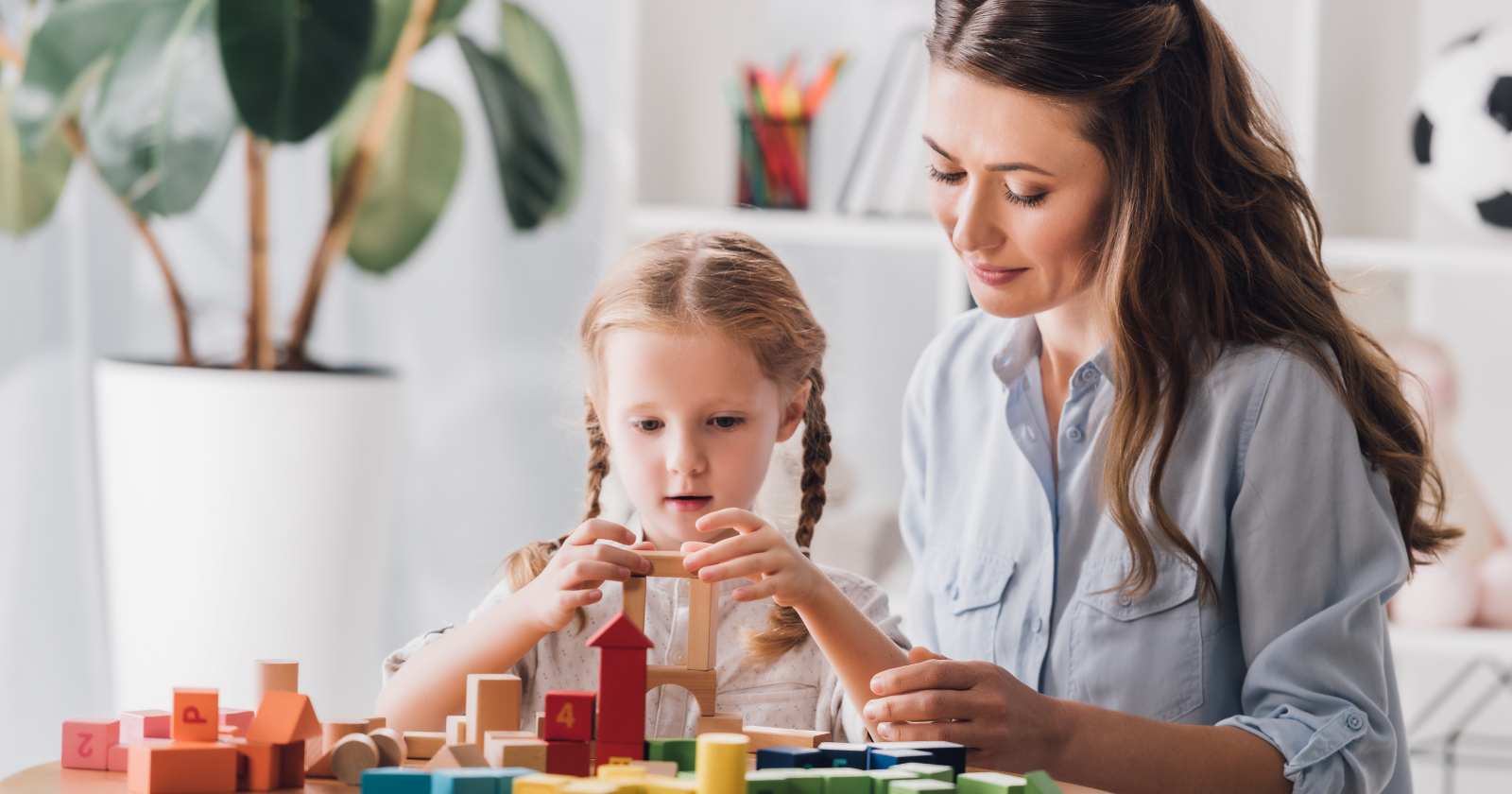
Children who grew up watching a parent handle frustration without rage, disappointment without withdrawal, and stress without collapse develop these 7 emotional regulation skills that therapy can rarely teach
While therapy can teach coping strategies, children who witness their parents navigate life’s chaos with grace absorb an entirely different blueprint—one that shapes how they’ll instinctively respond to every frustration, disappointment, and crisis for the rest of their lives.

My mother cleaned. I schedule, analyze, and prepare. Anxiety still found the family resemblance.
She traded her mother’s midnight cleaning for color-coded spreadsheets and meal plans, but the family anxiety just learned to wear a different disguise.
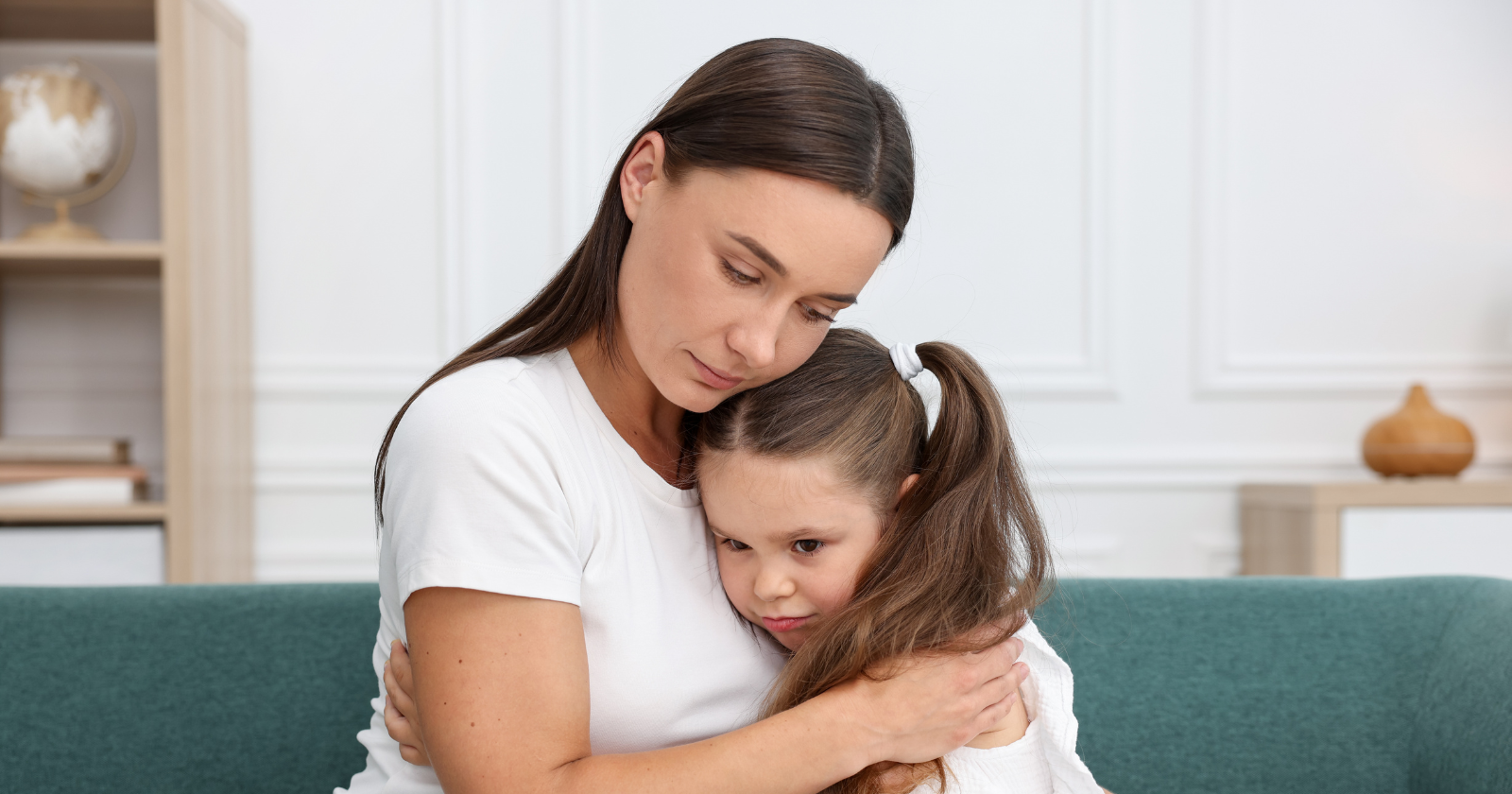
Children raised by parents who admitted mistakes and modeled repair develop these 8 relationship capacities that children of ‘perfect’ parents often lack entirely
Children who witness their parents apologize, admit mistakes, and make repairs after conflicts develop emotional intelligence and relationship skills that those raised by “perfect” parents often spend years in therapy trying to learn.
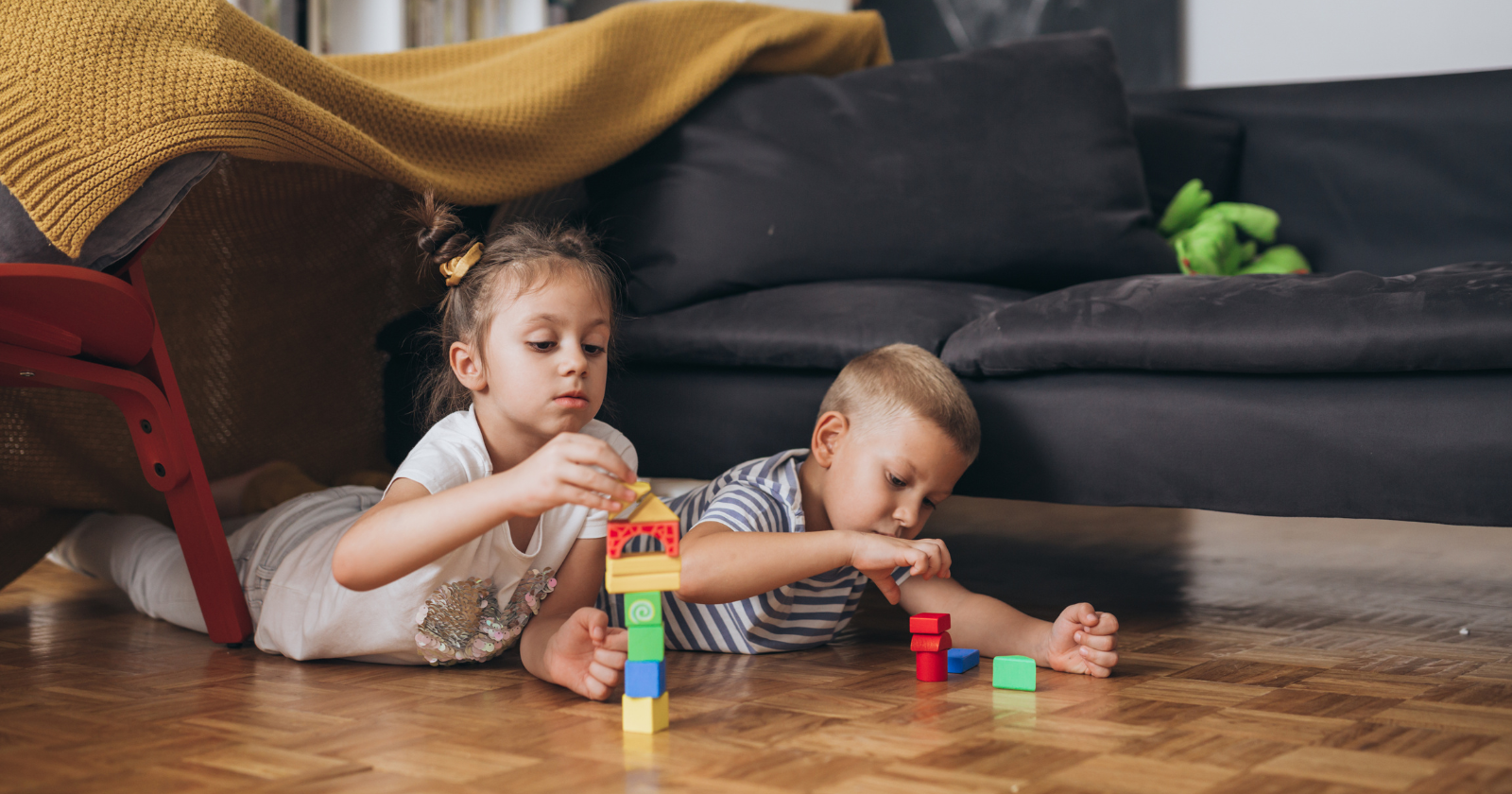
Research suggests children don’t remember their childhood home being perfectly clean or beautifully decorated — they remember whether it felt like a place where they were allowed to be loud, messy, and fully themselves
While we obsess over pristine playrooms and spotless counters, our children are forming memories based on something entirely different—whether they felt free to sprawl their art projects across the table, build blanket forts in the living room, and exist loudly in their own home without apology.

Children who grow up in homes where parents prioritized presence over presents often display these 9 traits as adults — and the fifth one explains why they parent so differently than their peers
Adults raised by parents who chose connection over consumption share surprising traits that shape how they love, live, and raise their own children—from finding magic in mud puddles to sitting with their kids through meltdowns instead of buying their way out.

My adult kids created a family group chat that I check forty times a day. Most days there are messages between them that I’m not part of. I’m in the room but not in the conversation, and that digital hallway where I can see my children talking without me is the most modern kind of loneliness I know
The group chat where my children talk to each other while I watch in silence has taught me more about modern parenthood than any parenting book ever could.

My mother cooked the same meal every Sunday for 30 years and I thought it was boring — now I’d give anything to sit at that table one more time and I make the same meal for my kids and I finally understand it was never about the food
The weekend I complained about yet another roast chicken dinner, my mother quietly smiled and kept cooking — twenty years later, I’m standing in my kitchen with shaking hands, following her exact recipe, finally understanding why she never changed it.

My mother used to sit in the car for 10 minutes after pulling into the driveway and I thought she was on the phone — I’m 35 now and I sit in the same car in the same driveway and I finally know what she was doing
Now, decades later, I find myself in the exact same spot, finally understanding that those mysterious moments weren’t phone calls or radio songs—they were something far more essential to surviving modern life.