Kids pick up on everything, don’t they?
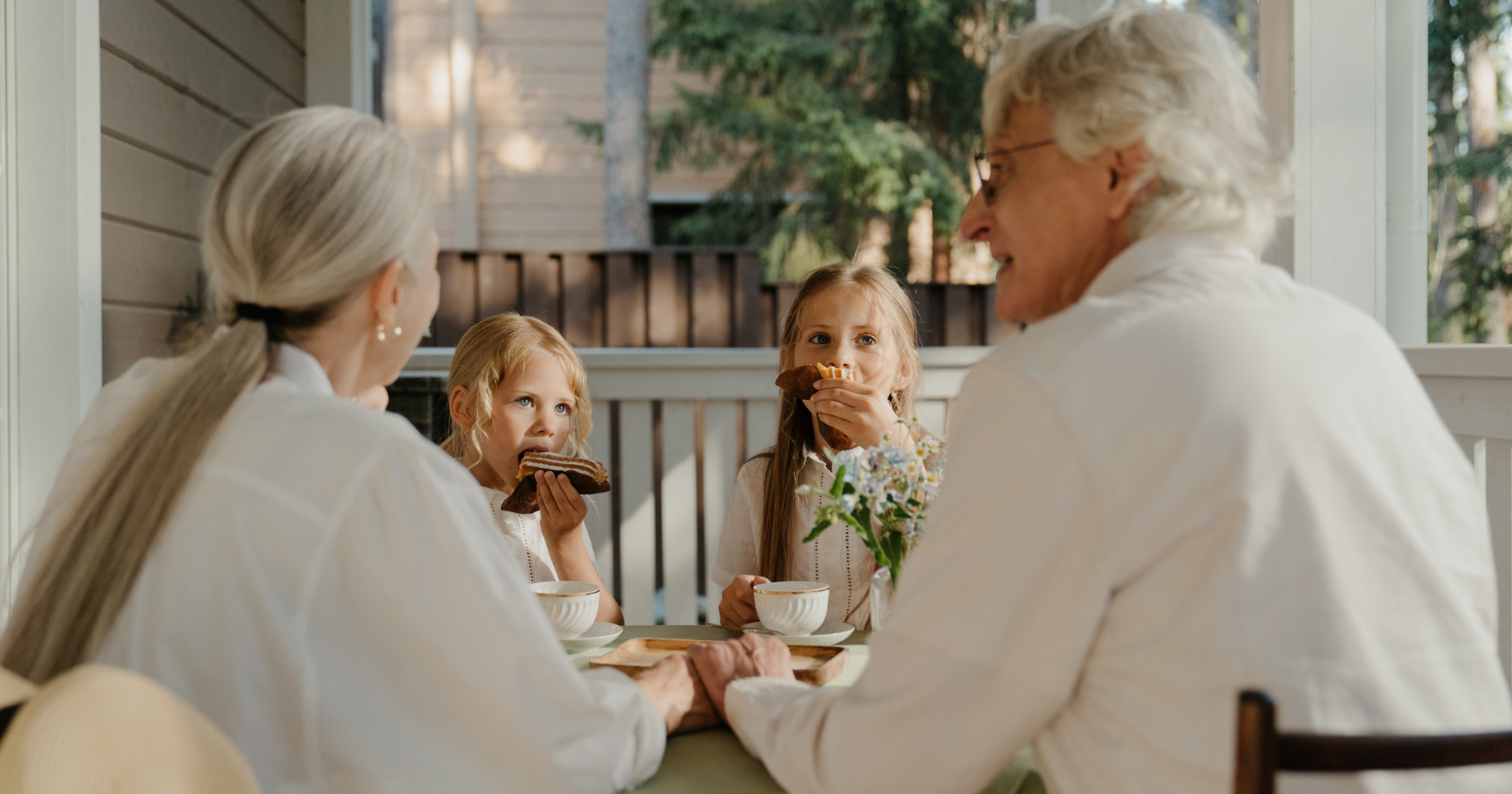
The other day, I was watching my youngest grandchild quietly arrange her toys in my living room, and she suddenly asked, “Grandpa, why don’t you and Grandma have any pictures together on the wall?” It stopped me cold. Out of the mouths of babes, right?
That innocent question got me thinking about all the subtle signals houses give off about the relationships within them.
After years of observing families, both my own and others, I’ve noticed that grandchildren are particularly astute at picking up on the unspoken dynamics between their grandparents. They might not always articulate it, but they feel it in their bones when something’s off.
If you’re wondering what exactly they’re noticing, here are nine telltale signs that even the smallest visitors can sense when a marriage has been running on empty for too long.
1) Separate everything
One of the first things kids notice is when their grandparents seem to live parallel lives under the same roof. Separate bedrooms might be explained away as “Grandpa snores,” but what about separate living spaces entirely? His den, her craft room. His chair, her chair. His TV shows in one room, hers in another.
I remember visiting a friend whose grandparents had essentially divided their house down the middle. The grandkids called it “Grandma’s side” and “Grandpa’s side,” and everyone just accepted it as normal. But kids internalize these divisions.
They learn that love means staying apart, that marriage means avoiding each other.
When every single thing is territorially marked and there’s no shared space where both grandparents seem comfortable together, children notice. They might not say anything, but they’re watching, learning what a relationship looks like when two people have given up on finding common ground.
2) The deafening silence during meals
You know that uncomfortable quiet that falls over a dinner table when nobody has anything to say to each other? Kids feel it like a weight on their chest.
Meals at happy homes are chaotic, full of interruptions and laughter and stories talking over each other.
Related Stories from The Artful Parent
- There are three stages to calling your aging parent. First you call because you want to. Then you call because you should. Then you call because you’re running out of calls and you’ve started counting without meaning to. Most people are in the second stage and pretending they’re still in the first.
- Psychology says adult children who love their parents but avoid visiting them aren’t selfish — they’re protecting themselves from a role reversal their nervous system registers as existential threat
- Psychology says the best kind of parents aren’t the ones who sacrifice everything for their children — they’re the ones who model what a life worth living actually looks like, even when that means disappointing their kids in small ways
But when grandparents eat in silence, punctuated only by the clink of silverware and requests to pass the salt, children notice. They fill the void with their own chatter, becoming little entertainers trying to bridge the gap between two people who’ve run out of words for each other.
I’ve watched my own grandkids become almost frantically cheerful at friends’ houses where this dynamic exists, as if their enthusiasm could somehow warm up the cold air between the adults.
3) No photos from recent years
Here’s something I’ve noticed time and again: unhappy couples tend to freeze their photo displays at a certain point in time. The walls might be covered with wedding photos from 1962, family portraits from the 1980s, but nothing recent. Nothing from the last decade or two showing just the two of them together.
My grandkids love looking at old photos, but they’re smart enough to ask, “Why don’t you have any new pictures together?” When every recent photo is of grandparents separately with other people, never as a couple, it tells a story.
The visual history of the relationship simply stops at a certain point, like a book with the last chapters torn out.
4) They never touch
Children are incredibly observant about physical affection, probably because they crave it themselves. They notice when grandparents navigate around each other like opposing magnets, never quite touching. No hand on a shoulder while reaching for a cup. No casual pat on the back. No sitting close on the couch.
As psychologist John Gottman notes in his research, the absence of small gestures of affection is often more telling than big arguments. Kids might not understand the psychology, but they feel the coldness. They see other grandparents hold hands, share quick hugs, sit companionably close, and they wonder why theirs don’t.
5) Contradicting each other constantly
- “No, that’s not how it happened.”
- “You’re remembering it wrong.”
- “That’s not what I said.”
When grandparents can’t let a single story or statement pass without correction or contradiction, kids notice. It’s exhausting for them to watch two people they love constantly undermining each other. Every conversation becomes a battlefield where being right matters more than being kind.
I’ve seen children actually flinch when one grandparent starts to tell a story, already anticipating the interruption and correction that’s surely coming from the other. They learn to navigate these conversational minefields carefully, sometimes even avoiding asking questions to prevent another round of bickering.
6) Rigid, joyless routines
There’s comfort in routine, sure, but there’s a difference between comfortable patterns and rigid schedules that exist solely to minimize interaction. When every minute is accounted for and structured to avoid spontaneity or togetherness, houses feel more like train stations where people are just passing through.
Breakfast at 7, separately. He reads the paper while she gardens. Lunch at noon, eaten quickly.
Afternoon naps in separate rooms. Dinner at 6, then immediately to separate activities. Kids feel the mechanical nature of it all, the absence of joy or flexibility. They sense that these routines aren’t about comfort but about avoidance.
7) Speaking through the grandchildren
“Tell your grandmother dinner is ready.”
“Ask your grandfather if he wants coffee.”
When grandparents use kids as messengers for basic communication, children become unwilling participants in a cold war. They’re forced into the role of mediator, which is far too heavy a burden for young shoulders.
I remember my friend’s daughter once said, “Why can’t Grandma just ask Grandpa herself? They’re in the same room!” The child’s frustration was palpable. Kids shouldn’t have to be carrier pigeons between two adults who can’t manage basic civility.
8) No shared stories or inside jokes
Happy couples have a treasury of shared stories they love to tell, finishing each other’s sentences, laughing at memories only they fully understand. But when grandparents have no collaborative narratives, no moments where they look at each other with shared recognition of a memory, the absence is noticeable.
Children love hearing about how their grandparents met, their adventures together, the funny things that happened over the years. When those stories don’t exist, or when each grandparent tells completely different versions that never intersect, kids sense the disconnect.
9) The relief when one leaves the room
Perhaps the saddest thing children notice is the palpable sense of relief when one grandparent exits a room. The remaining grandparent’s shoulders relax, they breathe easier, maybe even become more animated and engaging. The whole atmosphere shifts.
Kids feel this change in energy. They notice when Grandma suddenly becomes more fun after Grandpa goes to run errands, or when Grandpa seems lighter when Grandma visits her sister. It teaches them that love is a burden to be temporarily escaped rather than a joy to be shared.
Closing thoughts
Looking back, I realize how much my own grandkids have taught me about the importance of tending to a marriage, even after decades together. Their observations, both spoken and unspoken, remind me that little eyes are always watching and learning what love should look like.
If you recognize your own grandparents’ home in any of these signs, know that it shaped you but doesn’t have to define you. And if you’re a grandparent yourself reading this, remember that it’s never too late to change the story your home tells.
What messages is your home sending to the young hearts who visit?