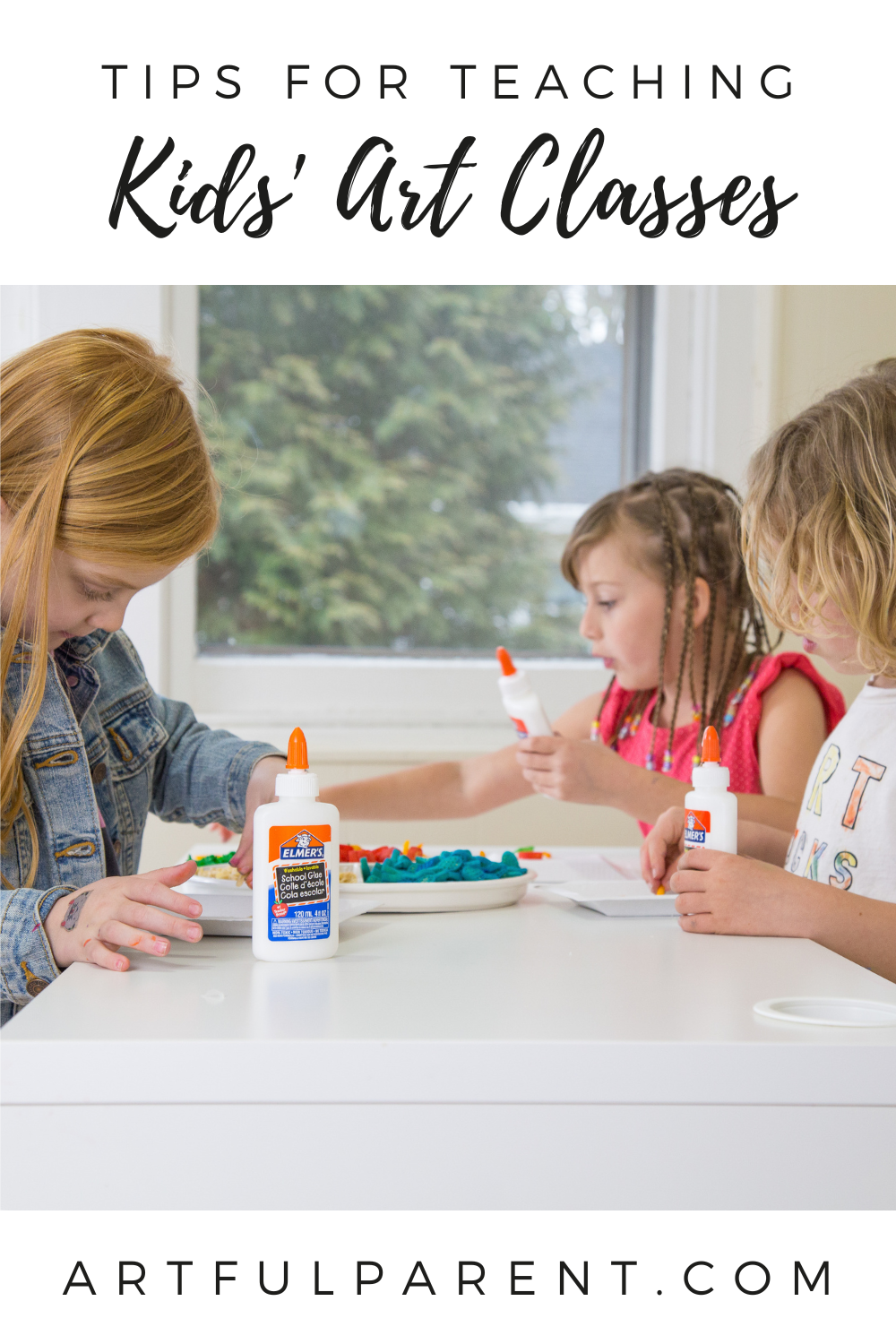
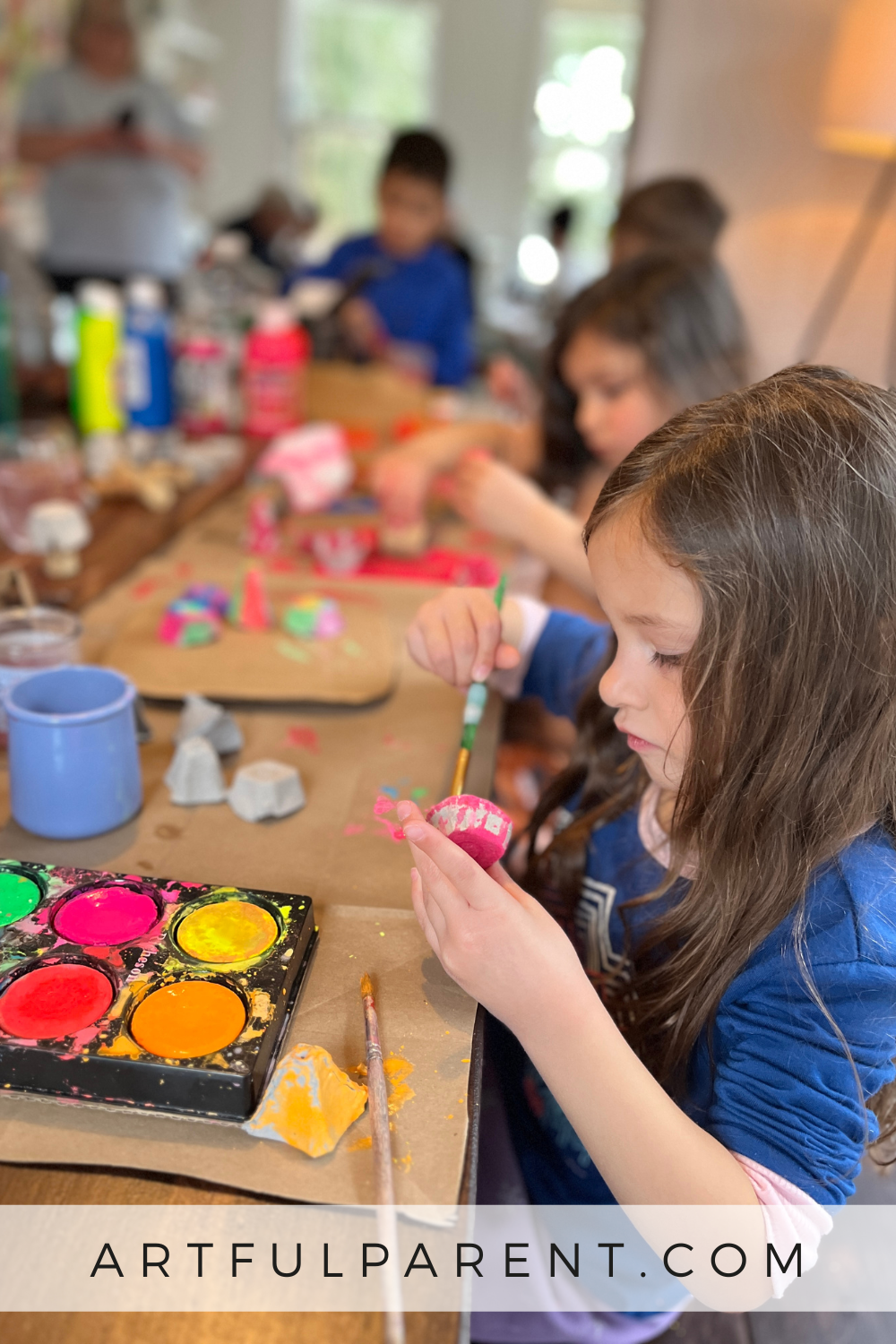
Hosting kids’ art classes and want to turn it into a business? Here are 6 tips from Ana Dziengel of BabbleDabbleDo and Megan Schiller of The Art Pantry for starting a successful kids’ art class business.
Updated February 2025
I started hosting a toddler art group (inspired by Jean) when my son was 18 months. Our original group was mainly comprised of friends and their kids.
That year was a huge learning process for me of what projects worked well, how to effectively prep, order supplies, plan lessons, etc. And I loved it!
My daughter came along a year later and the art group went on hold temporarily. After resuming and running a session, I decided to widen my audience and expand my options for getting the word out to new families.
During the process, I found myself unsure how to go about growing this business.
At The Artful Parent, this might be a familiar scenario for some of you. Fortunately, there is an amazing group of teachers and resources available to us, including Ana Dziengel of BabbleDabbleDo and Megan Schiller of The Art Pantry, two successful business owners who have been there!
Here they share their top three tips for running a business teaching kids’ art classes.
Tips for Starting a Business Teaching Kids’ Art Classes
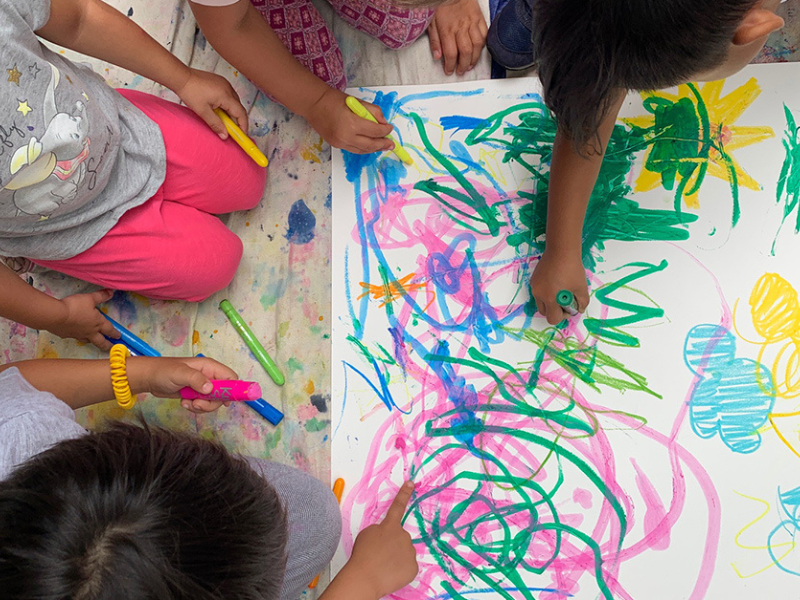
1. Enthusiasm rules!
Probably the biggest hurdle to getting started teaching art classes is in your mind. If you aren’t a trained educator you may think you don’t have the training or skills to work with kids on creative projects.
But the most important skill you need is enthusiasm.
Sure there are other important things to know, but if you are passionate about working with kids on creative projects, that excitement will shine through and your classes will be successful.
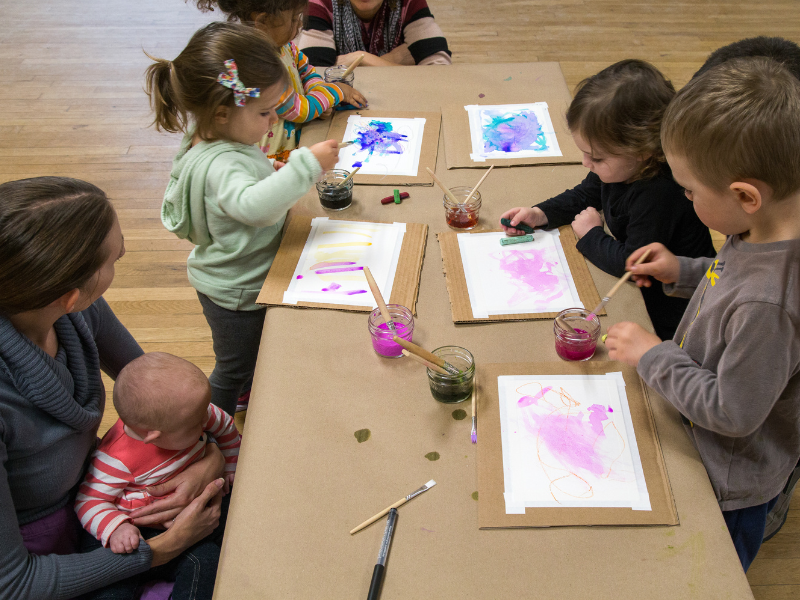
2. Learn from the best!
One thing way to gain knowledge and experience is to partner up with a teacher friend or someone who has been there.
Ask questions, pick their brain, and learn the ins and outs, like setting up the right environment, classroom management, and how to stage projects.
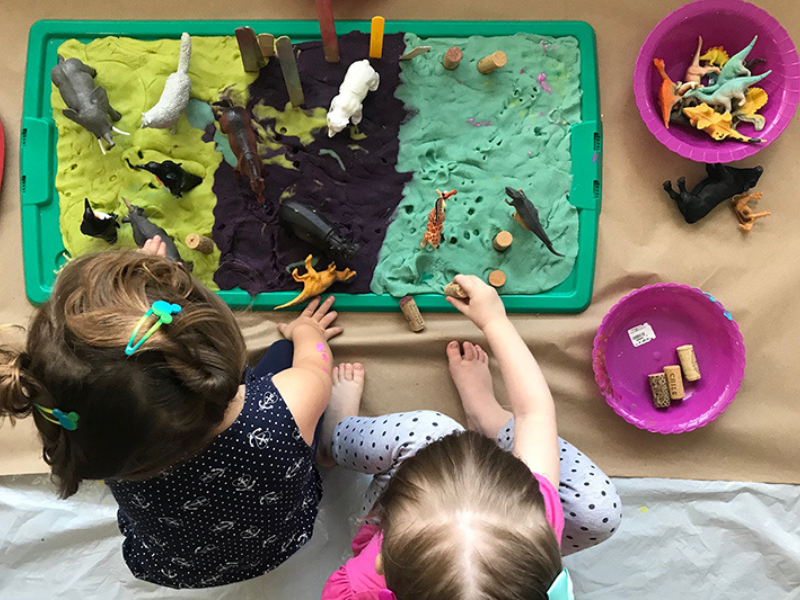
3. Build a buzz first.
Before you start your programming, you can get the word out in a variety of ways. Set up information booths at your kids’ school, family nights, kinder playdates, etc. Or post on facebook or other online neighborhood sites.
This way you can show parents the types of projects you will be doing, talk with prospective families, and gather up email addresses.
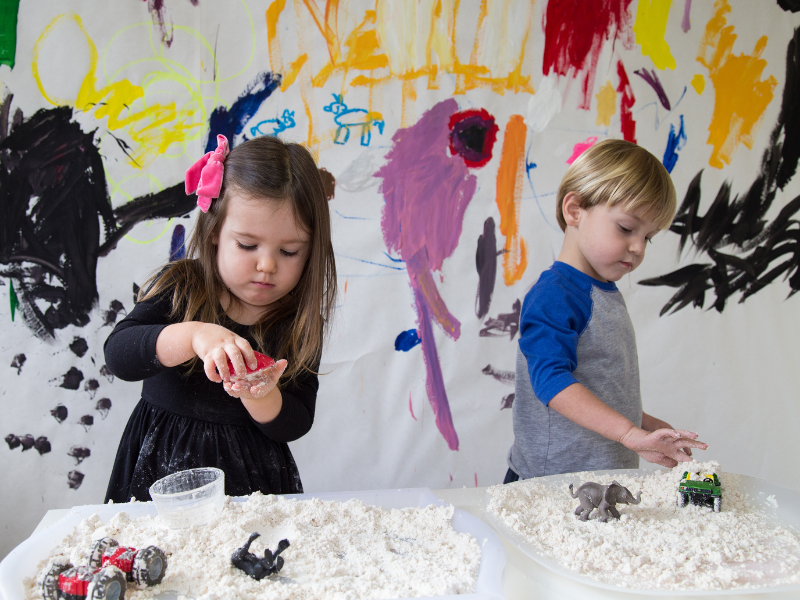
4. Word of Mouth and Online Sharing
Word of mouth is a great marketing tool. We’ve also found that keeping a blog or social media account allows you to document the classes and gives parents a concrete way to share with friends and family.
5. Think Like a Teacher
Don’t just wing it! We like to create a basic curriculum for each session and tweak it or build on it depending on the age of the kids or the length of the session.
You can choose the top 5 techniques or mediums you want to share with the kids and explore one per week.
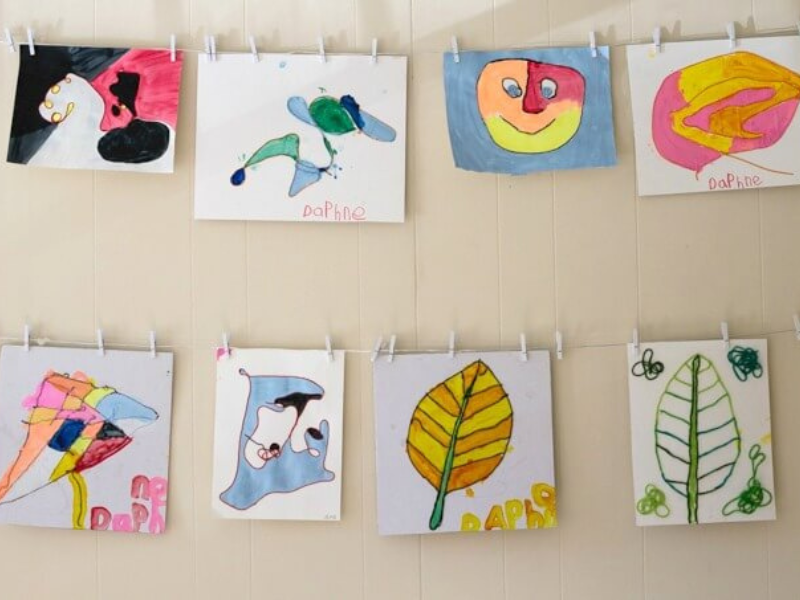
6. Put on an Art Show
One of our favorite things to do for kids’ art classes is to put on an art show at the end of your sessions. Even if your classes are held in your home, you can turn your backyard into a gallery and invite all of the families to see the kids’ work from the year.
The parents will love to see the collective creativity, and the kids will be so proud to see their work on display.
More Tips on Starting Kids’ Art Classes
- Diving Into A Toddler Art Group
- How to Start a Children’s Art Group
- 5 Steps to a More Creative Classroom
Pin It For Later