We used to recommend water beads as a sensory play material. We no longer do. This post explains why, what to do with any water beads you already have, and the sensory activities we suggest instead.
Safety update, November 2026: This article previously shared where to buy water beads and how to play with them. We have removed that advice in line with guidance from the U.S. Consumer Product Safety Commission (CPSC).
Why We No Longer Recommend Water Beads
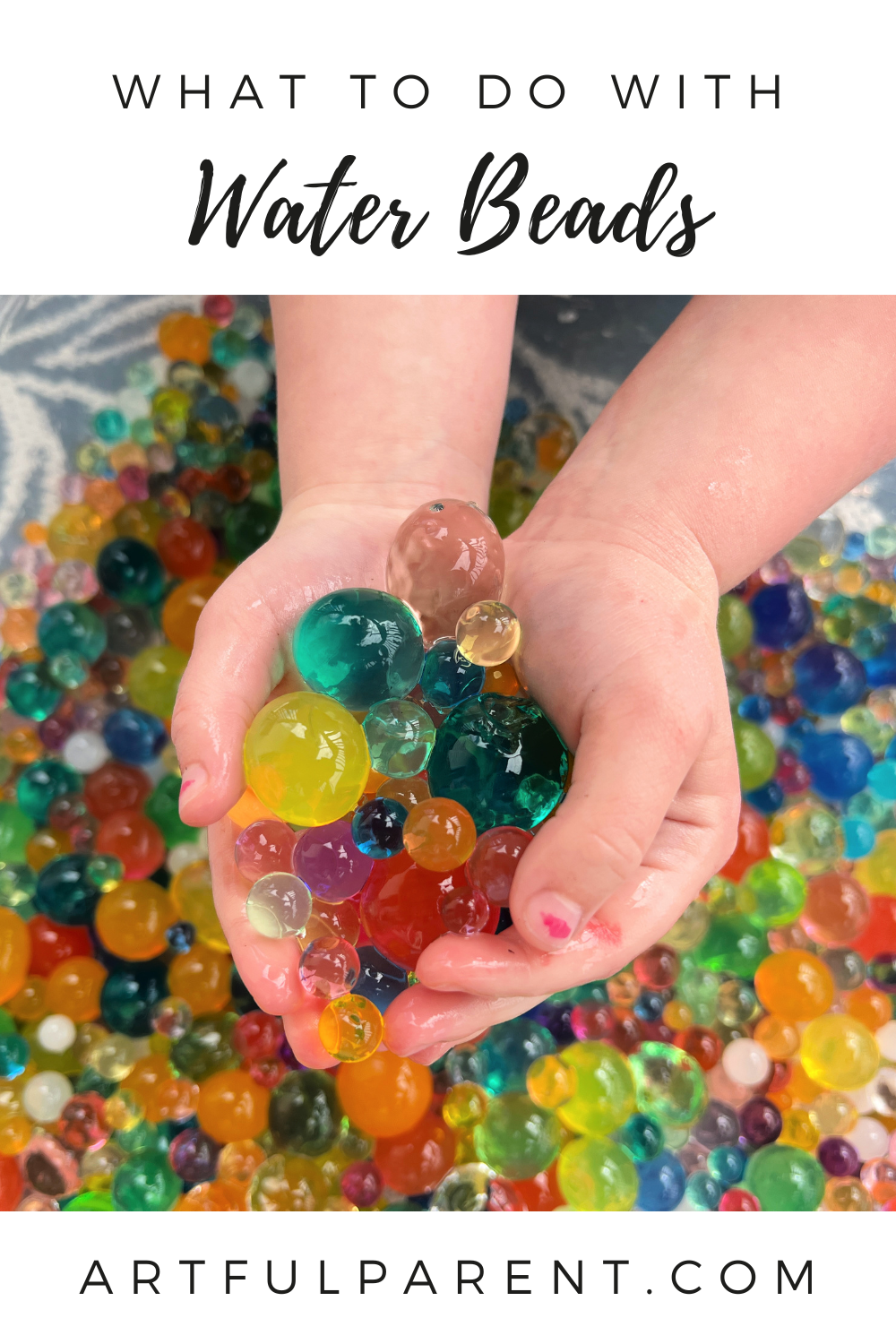
Water beads are small polymer balls that swell many times their size in water. That is what makes them fun to watch, and it is also what makes them dangerous. If a child swallows one, it can keep growing inside the body and cause a blockage that may need surgery. When dry, they are tiny and easy to miss on the floor, and they roll into corners where a baby or toddler can find them later.
The Artful Parent
Family-life ideas and sharp reads, in your inbox.
The CPSC reports nearly 7,000 emergency-department visits for water-bead ingestion in the U.S. between 2018 and 2022, along with the death of a 10-month-old in 2023. It advises families to remove water beads from any home where children live or visit, and says childcare centers, camps and schools should not use them at all. A new federal safety standard for water beads took effect in March 2026, but the CPSC still advises keeping them away from children.
Close supervision is not enough. Our earlier advice said water beads were safe to touch with supervision. We no longer think that holds up: one swallowed bead or one bead lost under the sofa is enough to cause serious harm, and older siblings playing with them can leave beads within reach of younger ones.
What to Do with Water Beads You Already Have
- Take them out of the house. The CPSC says removing them is the only way to fully reduce the risk. Seal them in a bag or container and put them in the trash, out of children’s reach.
- Do a sweep. Check under furniture, in rugs, in bath toys and in sensory bins for stray beads, especially if you have a baby or toddler at home.
- Check squishy toys. Some squishy toys and stress balls have been recalled because they contain water beads inside.
- Know what to do if one is swallowed. If a child swallows a water bead or puts one in an ear or nose, get medical care right away, even if they seem fine. In the U.S., you can also call Poison Control at 1-800-222-1222.
Safer Sensory Play Ideas Instead
The things kids loved about water beads (squishing, scooping, sorting, watching light shine through color) are easy to get from other materials. As with any sensory play, choose activities that suit your child’s age, and stay close with children who still put things in their mouths.
- Water play with scoops and cups. A bin of plain or colored water with measuring cups, funnels and sponges covers most of the pouring and scooping fun.
- Light-table play. Try colored water in sealed clear bottles, translucent plastic shapes or tissue paper on a DIY light table.
- Shaving cream or foam play. Still one of our favorites. See our shaving cream sensory play ideas.
- Oobleck. Cornstarch and water make a gooey, satisfying mix. Here’s how to make oobleck.
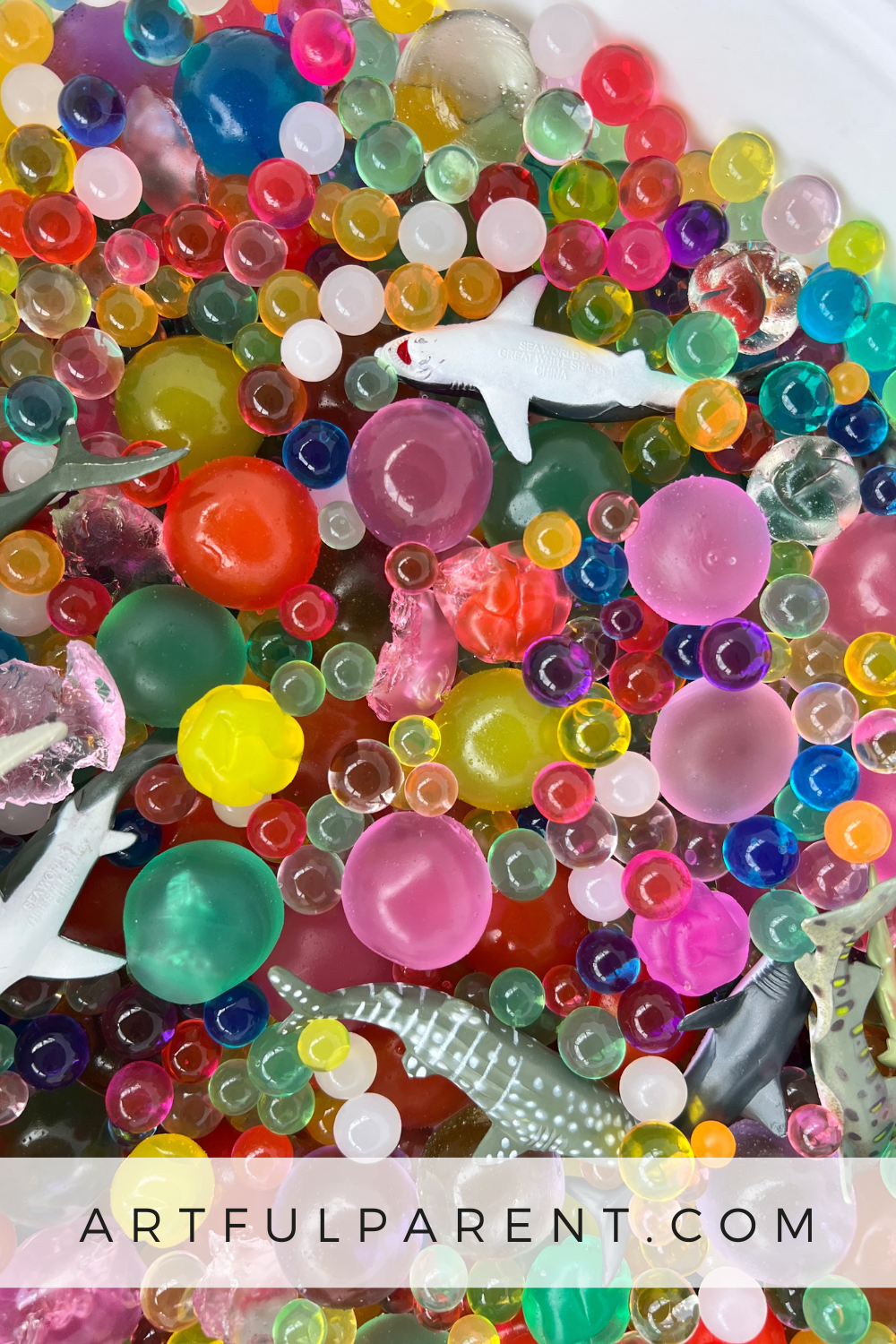
- Pretend play bins. Large toy animals or figures in a bin of water or sand give kids a small world to play in. Avoid small loose pieces for children under three.
Water Bead Questions
- What are the dangers of water beads? If swallowed, they can expand inside the body and cause a blockage, which can be life-threatening. They are also a choking hazard and can cause injury if put in the ears or nose.
- Are water beads safe with supervision? The CPSC advises removing them from homes with children rather than relying on supervision.
- Are tapioca pearls a safe alternative? Tapioca pearls are edible, but they can still be a choking hazard for babies and young children, so we don’t recommend them as a direct swap for little ones.
- How do you dispose of water beads? Seal them in a bag or container and put them in the trash. Don’t pour them down a sink or toilet, since they can swell and block pipes.
More Sensory Play for Kids
- What is Sensory Play & Why It’s Important for Kids
- The Ultimate Guide to Sensory Play
- How to Make Oobleck
- Shaving Cream Sensory Play Ideas for Kids
- How to Make Aquafaba
- How to Make Cloud Dough for Kids
Want even more Sensory Exploration fun?
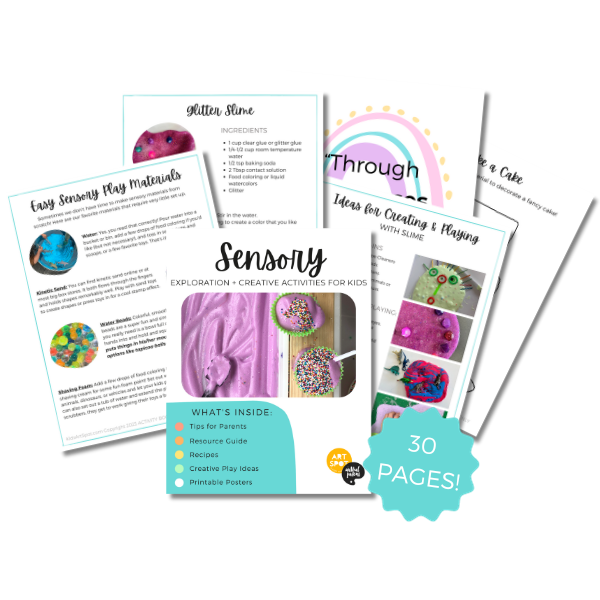
Check out our Sensory Creativity Pack!
This 30-page printable eBook is stuffed full of sensory play fun! An ultimate guide to sensory play, complete with our favorite recipes and tips for success!