
Learn 5 simple steps to help build a more creative classroom, perfect for fostering connections, developing confidence, and making your teaching life easier!
Updated August 2025
Fostering a creative classroom can be a powerful teaching strategy, engaging students and developing cognitive skills on a whole new level.
Of course, adding one more thing to your already-full teaching schedule is the last thing you want to do. Luckily, we have a few simple tips and tricks that can easily transform your classroom into a hub of creativity and innovation, inspiring your students to think outside the box and develop a lifelong love for learning.
5 Steps to a More Creative Classroom
1. Find Artful Moments
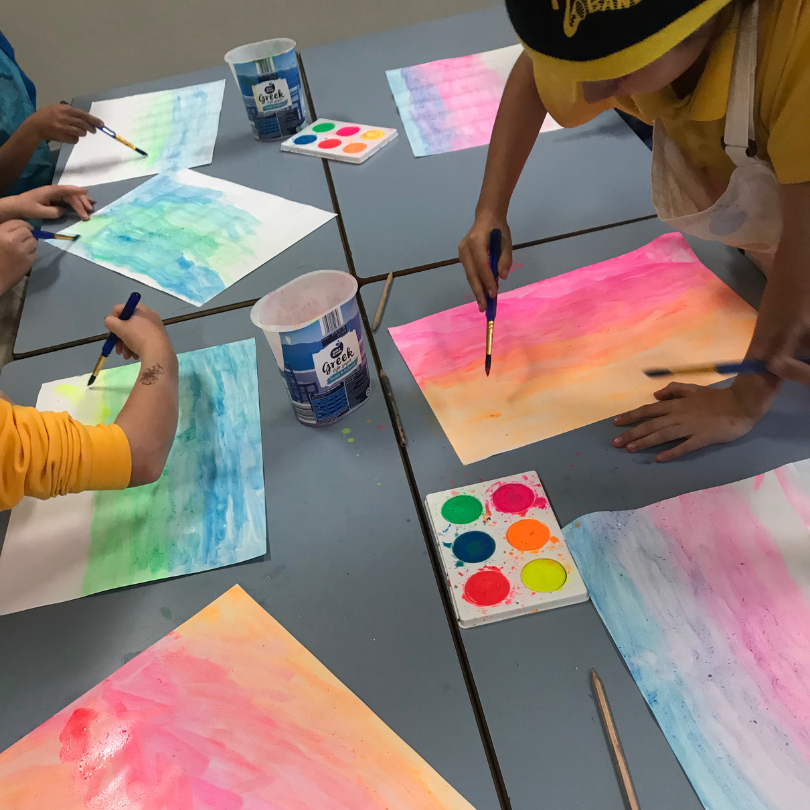
Time is a commodity in your classroom, but intentionally setting aside a few minutes for creativity can have a big payoff. Artful moments can be especially helpful during tough transition times like before or after lunch. Find a schedule that works for your classroom and create an artful habit!
Read More: Creative Classroom Activities for Smooth Transitions
2. Simplify
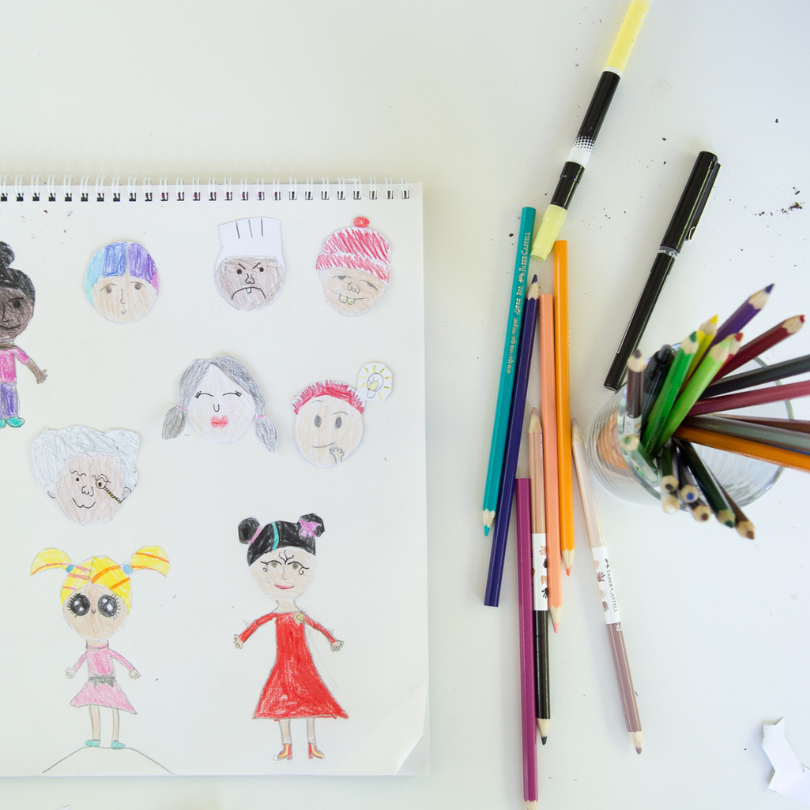
Art doesn’t have to be super complicated or messy to be beneficial to your class. Something as simple as a printable drawing prompt can encourage your students to loosen up and think in a whole new way. Drawing prompts require minimal preparation and supplies but pack a powerful creative punch.
Those Pinterest crafts might look super cute, but are they worth your sanity? Be realistic when planning creative activities and consider your time restraints, available supplies, and personal comfort with mess.
Need some inspiration? Check out these 10 Easy Art Activities for Elementary Classrooms.

3. Make Observations
Instead of telling your students what YOU think about their creative projects, turn their attention inward. Ask questions and make observational statements. Practice using the phrase “Tell me about your work.”
Changing the way you speak to students has the power to change the way they think about themselves.
Read More: How to Talk to Kids About Their Art
4. Embrace the Process
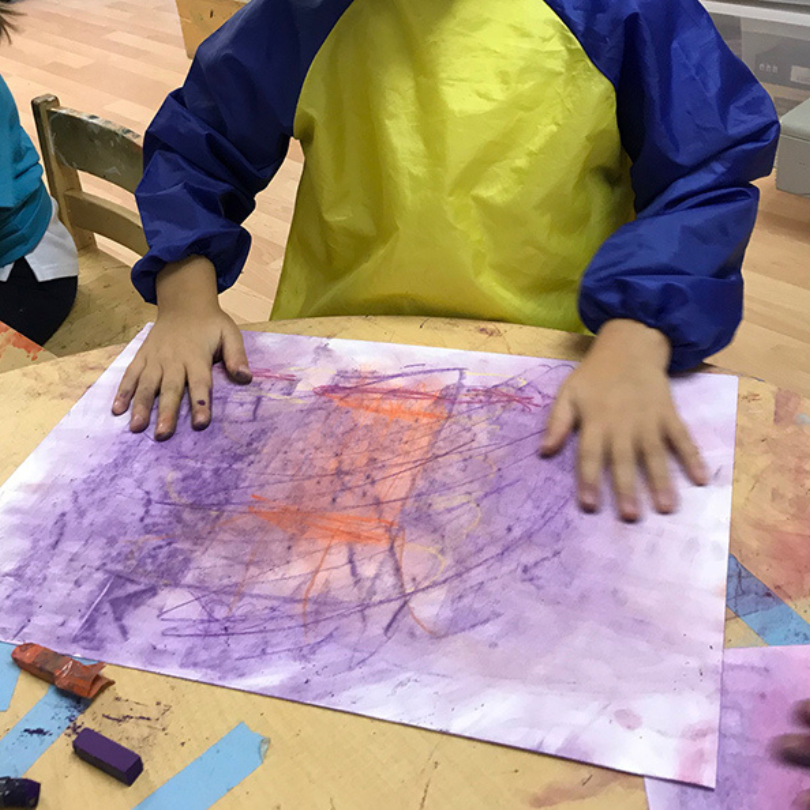
Let go of big expectations about how a project *should* turn out, and give your students a bit of freedom in the creative process. Focusing on the journey rather than the end result will help them build problem-solving skills and self-confidence. Plus, an emphasis on process over product can transform how you as a teacher approach art, making the whole experience less stressful and more fun.
Read More: What is Process Art?
5. Have Fun!
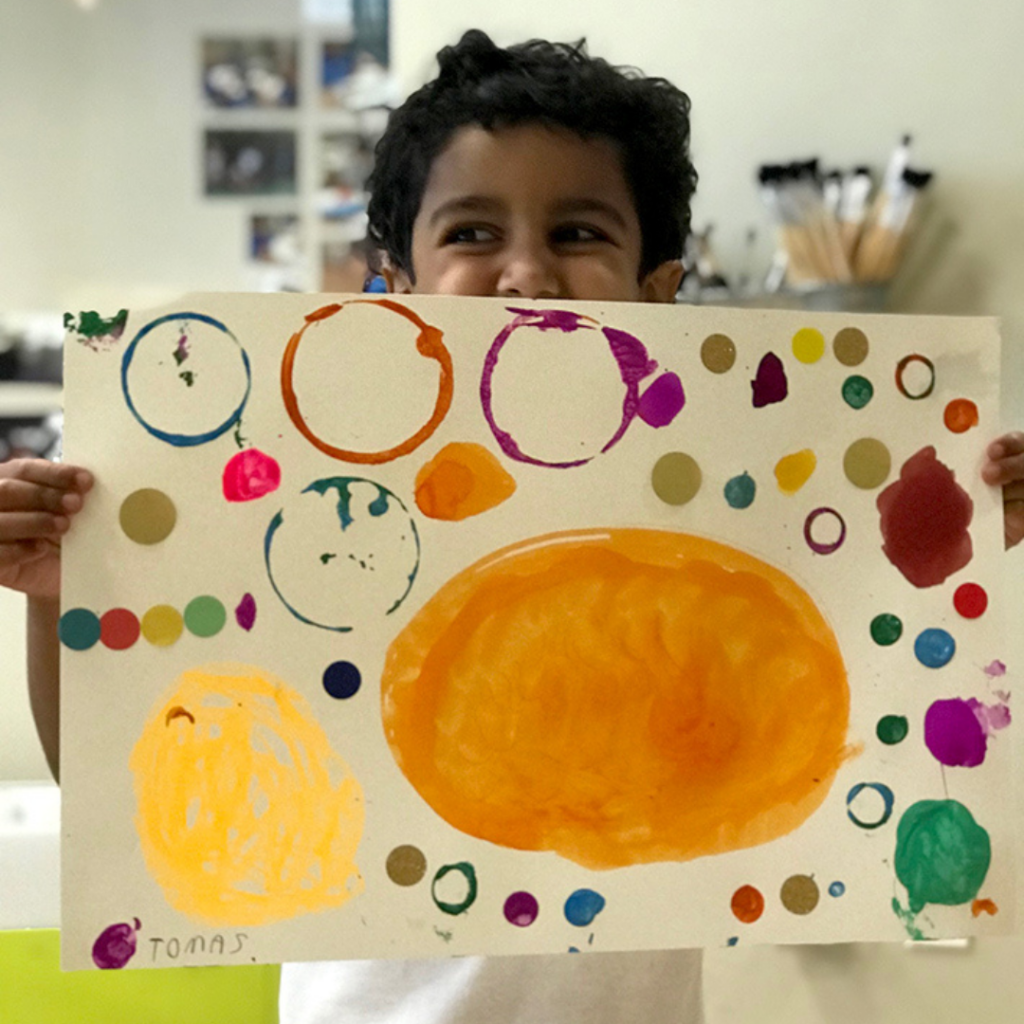
Doing more art in the classroom can be a wonderful way to connect with your students. In fact, you may find that some children who struggle in a traditional classroom setting may thrive when given the opportunity to get creative. Embrace the change and have fun!
Transforming your classroom into a more creative space is an ongoing process that requires dedication and flexibility, but the rewards are well worth it. We hope these 5 simple steps give you the confidence to dive in!
More Ideas for Artful Teachers
- 10 Best Art Supplies for Classrooms
- 10 Easy Art Activities for Elementary Classrooms
- The Best Mindfulness Activities for Kids
- 12 Kids’ Drawing Games for Creative Fun
- How to Use Drawing Printables to Spark Creativity
- 30 Children’s Books about Artists + Creativity
Pin It for Later